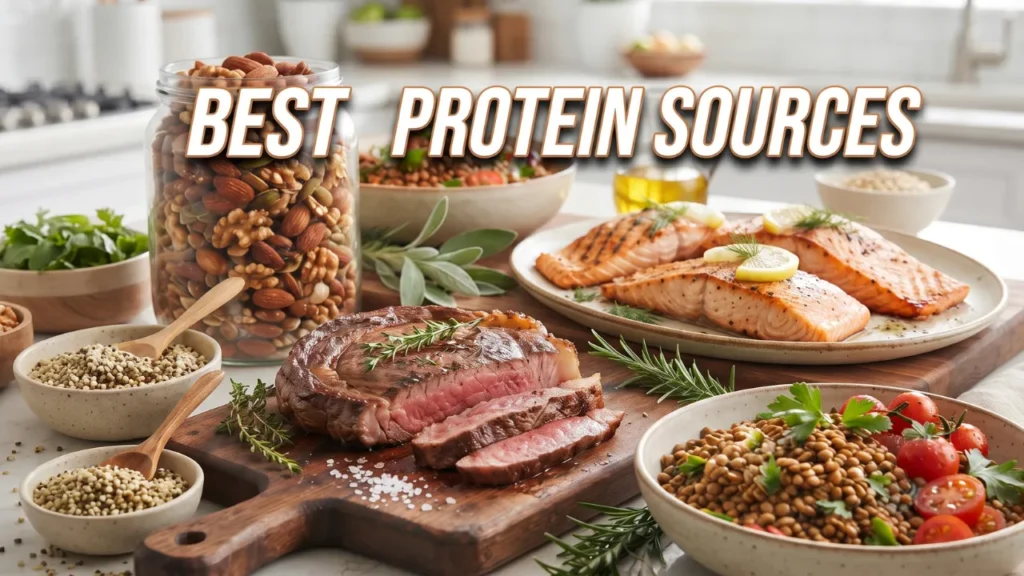
Protein is the one macronutrient that consistently makes everything else easier; hunger management, muscle preservation, energy stability, and weight loss all improve when your daily intake is adequate. The best high-protein foods are not expensive, complicated, or only available at health food stores. Most of them are in your regular grocery shop right now, waiting to do far more work than you are currently asking of them.
This guide covers eighteen specific protein sources across every food category, animal proteins, plant proteins, dairy, grains, nuts, and seeds, with practical information about how to use each one and how to build them into genuinely balanced, satisfying meals across the week. Learn about the Best Protein Sources
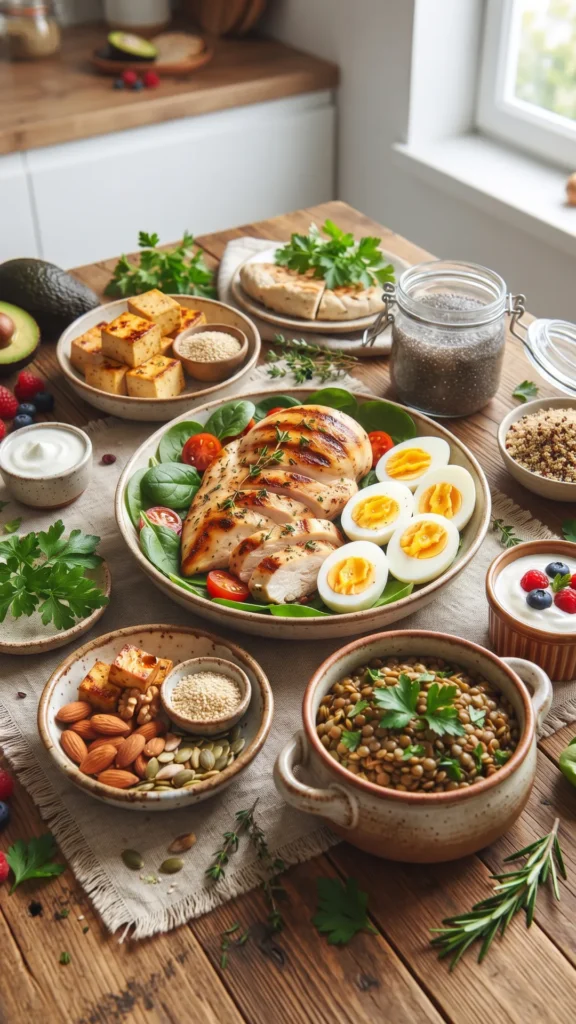
What Protein Is and Why Your Body Needs It Every Day
Protein is one of the three macronutrients, alongside carbohydrates and fat, and it is the only one the body cannot store in the same way it stores fat or glycogen. This means protein needs to be consumed consistently across the day and across the week, rather than loaded into one or two meals periodically.
At the cellular level, protein provides the amino acids the body uses to build and repair muscle tissue, produce enzymes and hormones, support immune function, and maintain the structure of skin, hair, nails, and connective tissue. Without adequate daily protein, all of these functions are compromised, which manifests as fatigue, reduced muscle mass, slower recovery from exercise, and weakened immune response.
For weight loss specifically, protein is the most satiating macronutrient available. It suppresses the hunger hormone ghrelin more effectively than either carbohydrate or fat. It triggers the release of fullness hormones, peptide YY, and cholecystokinin, which keep appetite suppressed for two to four hours after eating. This is why high-protein meals consistently produce better hunger management than equivalent-calorie meals lower in protein.
Protein also has the highest thermic effect of food of any macronutrient. Approximately 20 to 30 percent of protein calories are used in the digestion process itself, compared to 5 to 10 percent for carbohydrates and 0 to 3 percent for fat. This means protein contributes fewer net calories than the label states, making it an even more efficient macronutrient for weight management.

How Much Protein You Actually Need
General guidelines recommend 0.8 grams of protein per kilogram of body weight for sedentary adults, but for anyone actively trying to lose weight, preserve muscle, or improve body composition, most nutrition researchers recommend significantly higher intakes of 1.2 to 1.6 grams per kilogram of body weight.
For a 70-kilogram person, this translates to approximately 84 to 112 grams of protein per day. For a 90-kilogram person, approximately 108 to 144 grams. These numbers sound large to people accustomed to typical Western dietary protein intakes, which average closer to 60 to 70 grams per day, but are entirely achievable through whole food sources distributed across three meals and one to two snacks.
A practical starting target that works for most people without precise calculation is aiming for 25 to 35 grams of protein at each main meal and 15 to 20 grams at snack occasions. This naturally produces a daily total in the range that supports both satiety and muscle preservation without requiring detailed tracking once the habit is established.
The Best Lean Meat Protein Sources for Everyday Meals
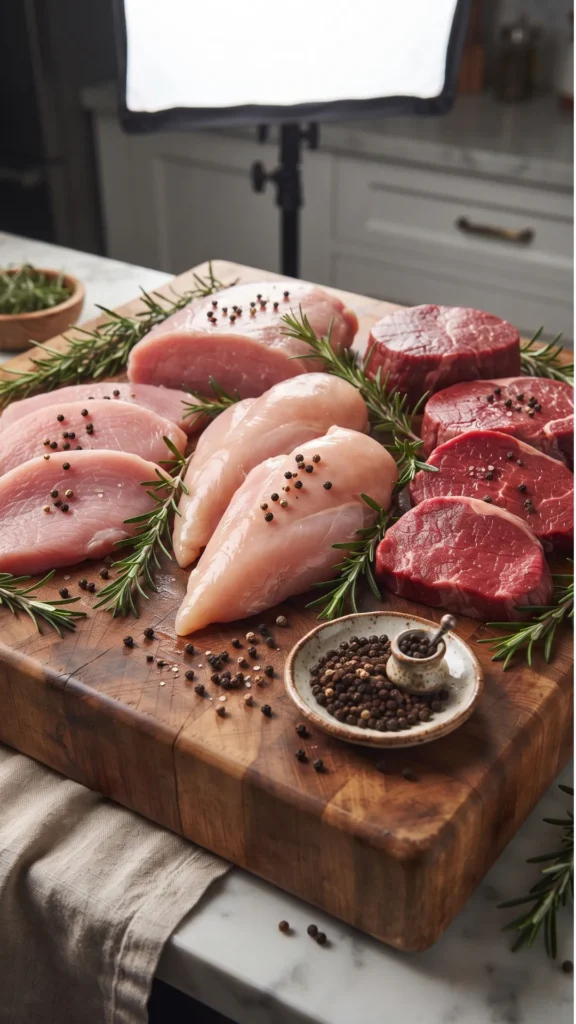
Lean animal proteins are the most protein-dense foods available per gram of food weight, providing complete proteins containing all essential amino acids in a format that the body absorbs with high efficiency. Choosing lean cuts and low-fat preparations keeps the protein high while managing the calorie and saturated fat contribution.
Lean meat protein sources for everyday use include skinless chicken breast, turkey breast, lean pork tenderloin, venison, and extra-lean beef mince. These options sit at 100 to 165 calories per 100 grams with 20 to 30 grams of protein, providing exceptional protein-to-calorie ratios that support both satiety and weight management effectively.

Chicken and Turkey: The Most Versatile Everyday Proteins
https: //volueat.com/wp-admin/post.php?post=1360&action=edit
Skinless chicken breast is the most widely used lean protein for good reason. At approximately 110 calories per 100 grams with 23 grams of protein, it adapts to every cuisine and cooking method: grilled, baked, poached, stir-fried, shredded into soups, or sliced over salads. A 150-gram serving provides 34 grams of protein for under 170 calories, which is an outstanding protein-to-calorie ratio for any meal occasion.
Turkey breast sits alongside chicken as an equally lean option, approximately 104 calories per 100 grams with 22 grams of protein. Turkey mince at 5 percent fat is one of the most useful meal prep proteins available: flavoring it differently across the week produces different meal experiences from the same basic ingredient. Taco seasoning one night, Italian herbs the next, and Asian-inspired ginger and soy the day after.
Batch-cooking four to six chicken breasts or a large turkey mince portion on Sunday provides protein for multiple meals across the week with minimal daily cooking effort, the single most time-efficient protein preparation habit available.
Lean Beef and Other Red Meat for Iron and Protein
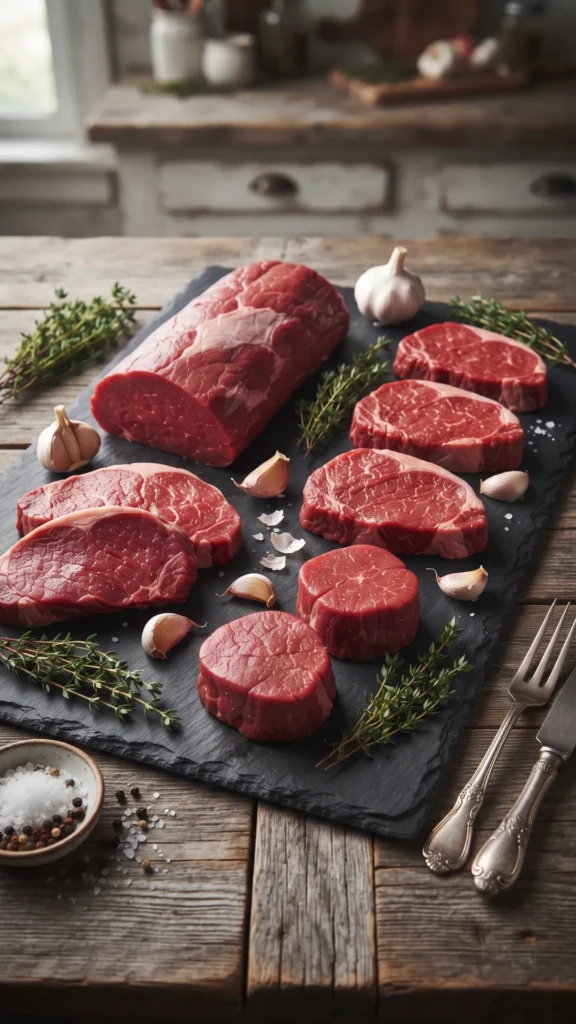
Lean red meat provides not just protein but also hem iron, zinc, and vitamin B12 , nutrients that are less bioavailable from plant sources and that many people are insufficiently supplied with from dietary sources alone. For people experiencing fatigue alongside weight loss, ensuring adequate lean red meat intake is a practical nutritional intervention worth considering.
Extra-lean beef mince at 5 percent fat sits at approximately 160 calories per 100 grams with 22 grams of protein. Lean beef fillet or sirloin prepared without added fat provides approximately 160 to 180 calories per 100 grams with 26 to 28 grams of protein. Venison is the leanest red meat available, approximately 120 calories per 100 grams with 26 grams of protein, and is worth exploring if available and the budget allows.
The key with red meat is choosing lean cuts, trimming visible fat, and cooking without adding significant oil or fat. Grilling, baking, and dry-frying all achieve excellent results from lean red meat without the calorie addition that oil-based cooking methods produce.
The Best Fish and Seafood Protein Sources
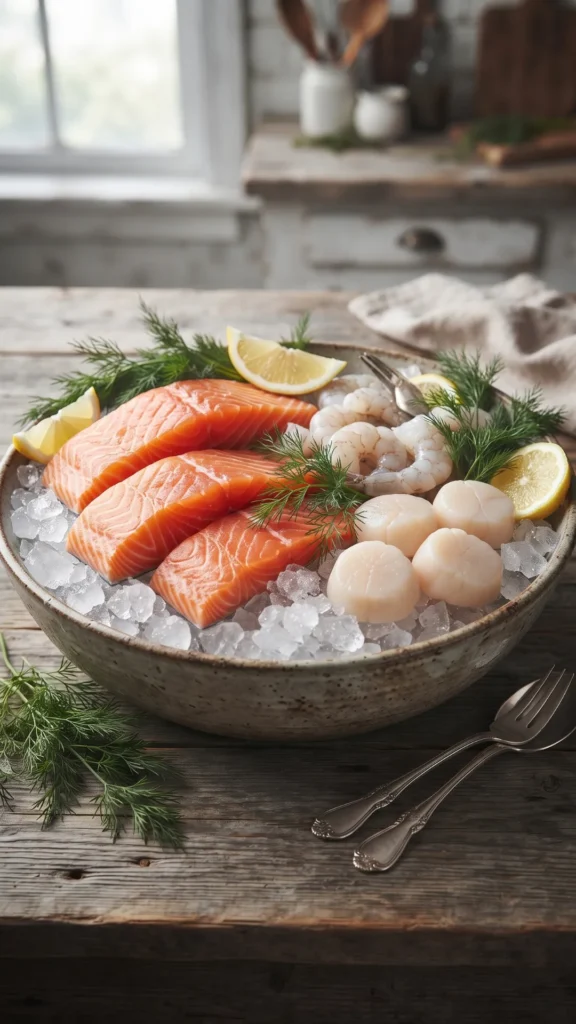
Fish and seafood offer the best calorie-to-protein ratio of any animal protein category, particularly white fish varieties that provide 18 to 22 grams of protein per 100 grams at just 70 to 96 calories per 100 grams. For anyone building a high-protein, low-calorie diet, white fish should feature multiple times per week.
Cod, tilapia, pollock, haddock, and whiting all sit in the 70 to 96 calorie range per 100 grams with exceptional protein density. An 180-gram fillet of cod provides over 35 grams of protein for under 180 calories, the most efficient single-protein dinner available. Shrimp provides approximately 85 calories per 100 grams with 18 to 20 grams of protein and cooks in under five minutes, making it the fastest high-protein dinner ingredient available.
Salmon is slightly higher in calories at approximately 208 calories per 100 grams due to its healthy fat content, but its omega-3 fatty acid profile makes it exceptionally nutritious alongside its 20 grams of protein per 100 grams. Canned tuna in Water is the most affordable and most convenient fish protein, with approximately 84 calories per 100 grams with 20 grams of protein, ready to use with zero preparation.

Eggs: The Most Complete and Versatile Protein Available
Eggs are one of the most nutritionally complete foods available. A single whole egg provides 6 grams of complete protein, containing all essential amino acids, for approximately 70 calories. Egg whites provide protein at an even more efficient calorie cost: 17 calories per white with 3.6 grams of protein.
The combination of whole eggs and egg whites in the same meal is one of the most practical volume-eating breakfast strategies available. Four egg whites plus one whole egg provides 17 to 18 grams of protein for approximately 140 calories; combined with a generous quantity of vegetables, this becomes a large, filling breakfast for under 200 calories.
Beyond breakfast, eggs work as quick dinner proteins when other preparations have not been planned, as additions to salads and grain bowls, and as snack proteins in hard-boiled form. Batch-boiling eight to ten eggs at the start of the week provides immediate protein access at any meal or snack occasion with zero daily preparation effort.
Greek Yoghurt and High-Protein Dairy for Breakfast and Snacks
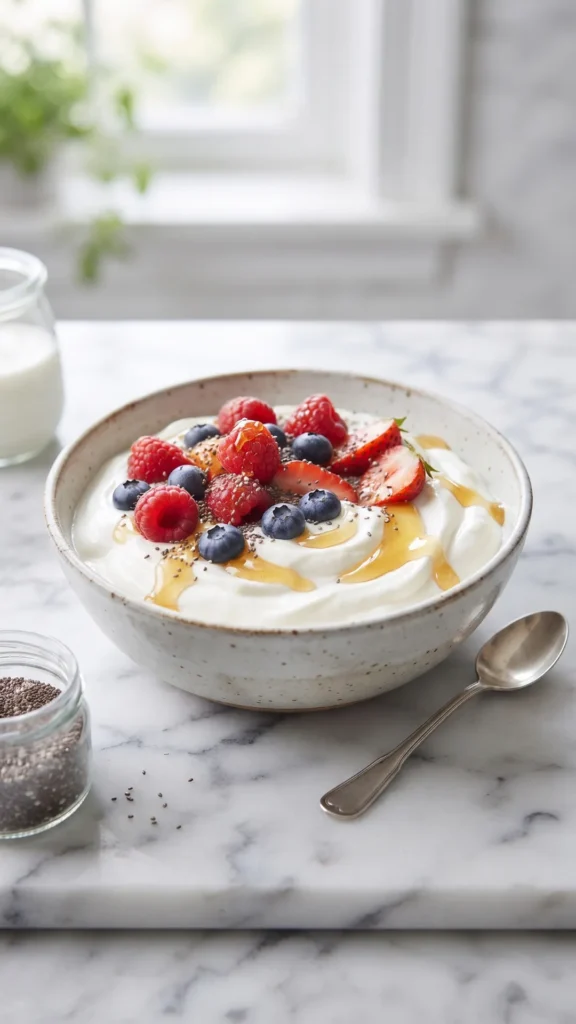
Non-fat Greek yogurt is one of the most protein-efficient foods available per calorie. At approximately 59 calories per 100 grams with 10 grams of protein, it provides an outstanding protein-to-calorie ratio that supports both satiety and weight management as a breakfast base, snack, sauce component, and dessert foundation.
The difference between Greek yogurt and regular yogurt is the straining process. Greek yogurt has been strained to remove most of the whey, which concentrates the protein while removing much of the liquid. This produces a thicker, creamier texture with roughly double the protein of regular yogurt at a similar calorie count. Always choosing non-fat or low-fat varieties maintains this protein efficiency without the additional saturated fat of full-fat versions.
Buying the largest available tub reduces cost per serving significantly. Greek yogurt is one of the most economical high-protein foods available when purchased in bulk rather than individual portions. A large tub used across breakfast, snacks, and as a cooking ingredient across the week provides exceptional nutritional return per monetary investment.
Cottage Cheese and Other Dairy Protein Options
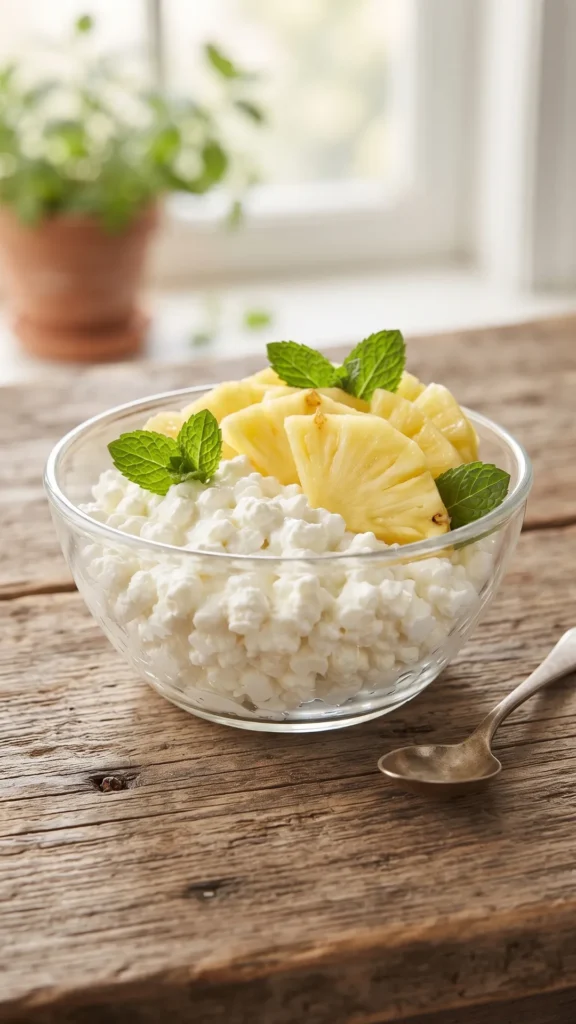
Low-fat cottage cheese is the most underrated dairy protein on most shopping lists. At approximately 72 calories per 100 grams with 11 grams of protein, it provides a creamy, mild-flavored protein source that works in both sweet and savory applications, making it one of the most versatile protein ingredients available.
Eaten with fruit and chia seeds as a breakfast or snack, it provides protein and natural sweetness in a combination that keeps hunger away for two hours. Blended until smooth with cocoa powder and a teaspoon of honey, it becomes a genuinely mousse-like chocolate dessert. Used as a dip for raw vegetables, it provides a protein-rich alternative to hummus or full-fat dressings.
Skimmed milk and low-fat kefir round out the practical dairy protein options. Skimmed milk at 35 calories per 100ml with 3.4 grams of protein adds protein to oats, coffee, and soups without significant calorie contribution. Kefir provides the same protein as regular milk alongside probiotic bacteria that support gut health and, through the gut-brain axis, appetite regulation.
Beans and Lentils: The Best Plant Protein Staples
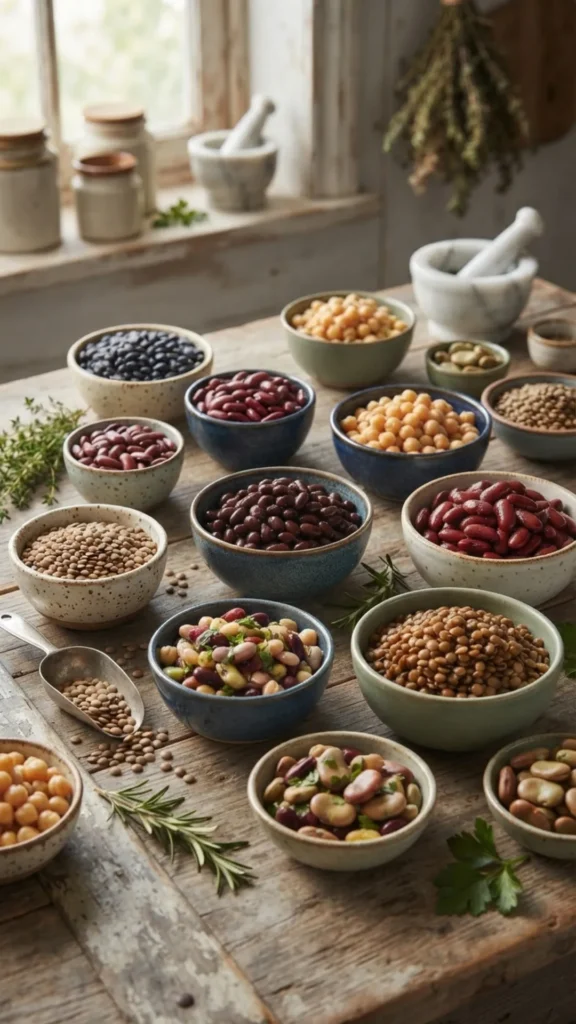
Legumes are the most important plant protein category for anyone building a high-protein diet without relying exclusively on animal sources. They combine protein and fiber in a single ingredient, producing a satiety effect that neither provides alone, at a cost per serving that is lower than almost any animal protein.
Red lentils at 116 calories per 100 grams, cooked with 9 grams of protein and 8 grams of fiber, are the most practical everyday legume. They cook in 20 minutes from dried without soaking, produce a naturally thick and satisfying texture in soups and curries, and provide a protein and fiber combination that keeps fullness genuine for three to four hours after eating.
Green lentils, brown lentils, and black lentils each have slightly different textures and flavor profiles that suit different applications; green and black lentils hold their shape well in salads, while red and brown lentils break down to create thicker, smoother soup bases. Keeping multiple varieties in the pantry provides culinary flexibility at a minimal cost per serving.
Chickpeas and Other Legumes for Plant-Based Protein
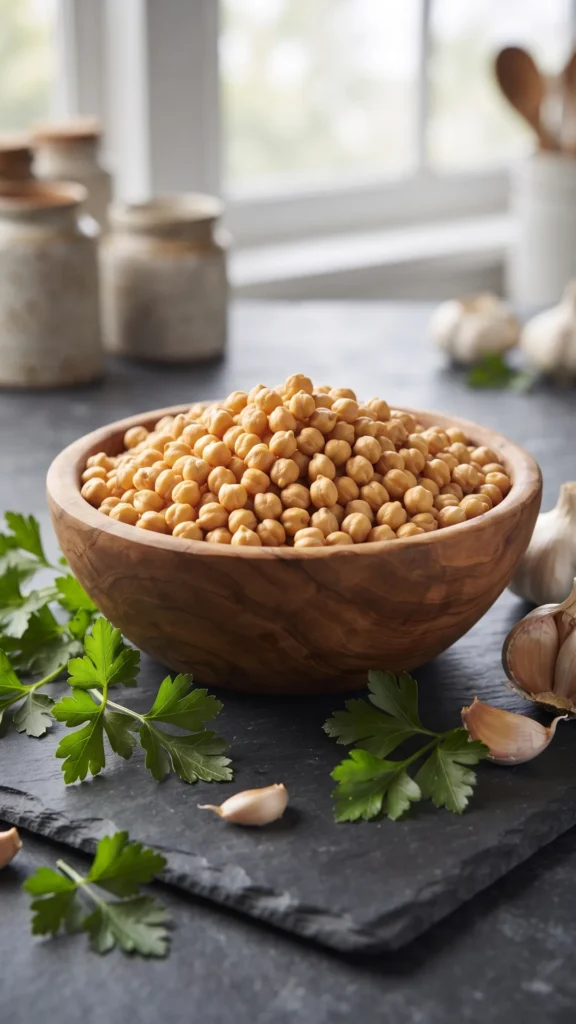
Chickpeas, at approximately 164 calories per 100 grams cooked with 9 grams of protein and 7 grams of fiber, are the most versatile legume across cuisines. Roasted with spices as a crunchy snack, blended into hummus, added to salads and grain bowls, simmered into curries, or used as the primary protein in a Buddha bowl, chickpeas adapt to almost any meal format.
Black beans, at 132 calories per 100 grams cooked with 8.9 grams of protein and 8.7 grams of fiber, are the go-to legume for Mexican and South American-inspired meal formats, burritos, taco bowls, and black bean soups. Kidney beans, cannellini beans, and butter beans each provide similar protein and fiber profiles across different cuisines.
Edamame deserves special attention as the highest-protein legume available, approximately 11 grams of protein per 100 grams cooked at 122 calories. Eaten as a snack, added to salads, or served alongside Asian-inspired meals, edamame provides a fresh, enjoyable way to increase plant protein intake without cooking anything from scratch.
Tofu, Tempeh, and Soy Foods for Complete Plant Protein
Soy-based foods are the most nutritionally complete plant proteins available, providing all essential amino acids in a format the body can use efficiently, making them one of the few plant sources that genuinely function as a complete protein equivalent to animal sources.
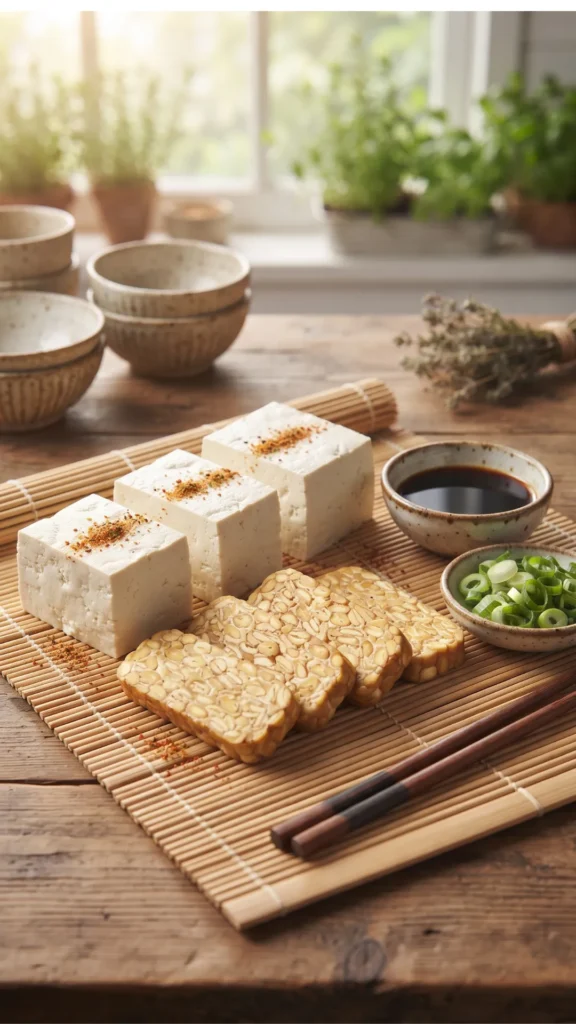
Firm tofu is at approximately 76 calories per 100 grams with 8 grams of protein, making it adaptable to any cuisine when prepared with strong enough flavor components. Pressing tofu before cooking removes excess moisture and produces a firmer texture that holds up better in stir-fries and roasted applications.
Tempeh, at approximately 193 calories per 100 grams with 11 grams of protein, provides the highest protein content of any soy product alongside probiotic benefits from the fermentation process. Its firm, nutty texture makes it the best soy-based option for applications requiring a meat-like consistency, crumbled into sauces, sliced and grilled, or marinated and baked.
Nuts and Nut Butters for Protein and Healthy Fat
Nuts provide protein alongside healthy fats, which makes them nutritious but calorie-dense at 550 to 650 calories per 100 grams. Used in measured quantities, they are excellent protein additions. Used freely, they add significant uncounted calories that can undermine a weight management approach.
Almonds at approximately 580 calories per 100 grams provide 21 grams of protein per 100 grams; a 30-gram measured serving provides 6.3 grams of protein for 174 calories. Walnuts, cashews, and pistachios all provide between 15 and 20 grams of protein per 100 grams. The key is buying in small quantities or portioning immediately into individual serving bags to prevent the casual overconsumption that makes nuts a consistent hidden calorie problem.
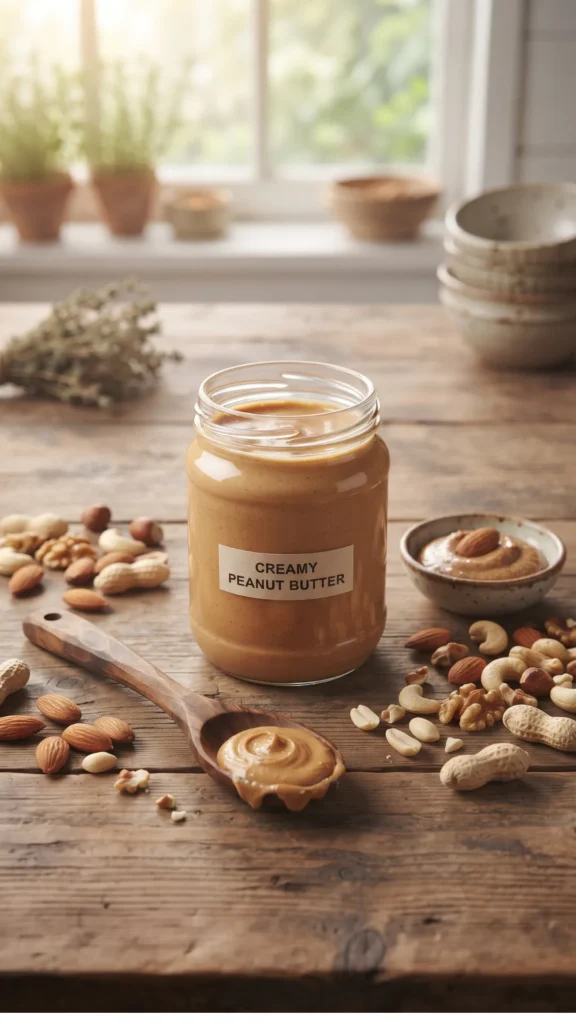
Natural nut butters, peanut, almond, and cashew, provide 6 to 8 grams of protein per two-tablespoon serving alongside healthy fats and fiber. Choosing varieties without added oil, sugar, or salt keeps the nutritional profile clean. Measuring by tablespoon rather than scooping directly from the jar is the single most important habit for using nut butters without dramatically overestimating their calorie contribution.
Seeds That Provide Protein and Fiber Together
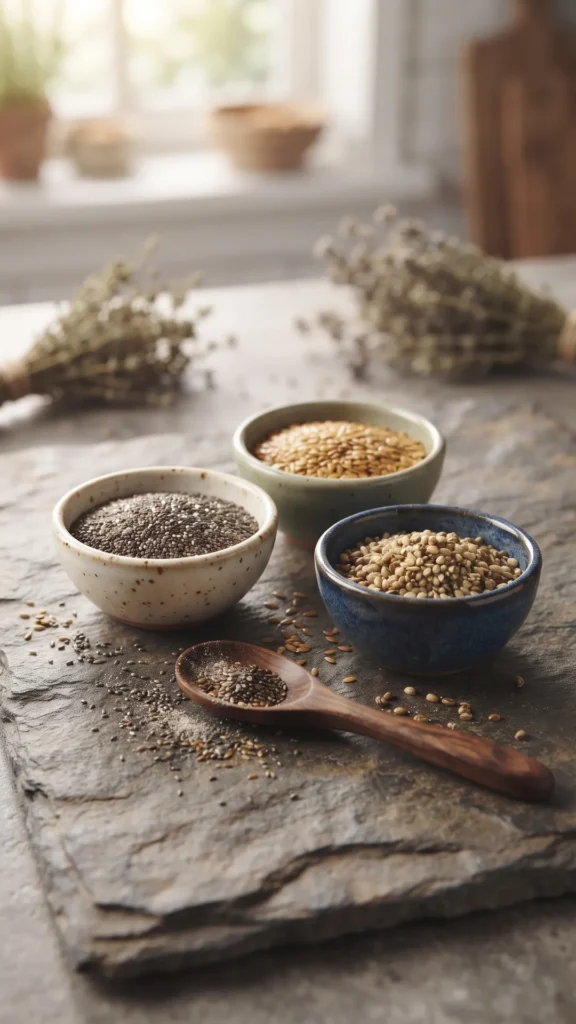
Seeds are concentrated nutritional packages, small in volume but significant in protein, fiber, and healthy fat content. Hemp seeds are the standout for protein specifically, providing approximately 31 grams of protein per 100 grams; three tablespoons added to a smoothie or yogurt bowl provides 10 grams of complete protein for approximately 170 calories.
Chia seeds provide approximately 17 grams of protein per 100 grams alongside an exceptional 34 grams of fiber, making them the most fiber-dense food available in common use. Two tablespoons provide 4 grams of protein and 10 grams of fiber for approximately 140 calories. Their ability to absorb liquid and expand makes them uniquely useful for creating pudding textures and increasing the physical volume of liquid-based meals.
Pumpkin seeds at approximately 19 grams of protein per 100 grams, flaxseeds at 18 grams, and sunflower seeds at 21 grams all provide meaningful protein contributions when used as salad toppings, breakfast additions, and yogurt bowl garnishes. Using two tablespoons of mixed seeds across breakfast adds 5 to 7 grams of additional protein with minimal culinary effort.
Whole Grains That Contribute Meaningful Protein
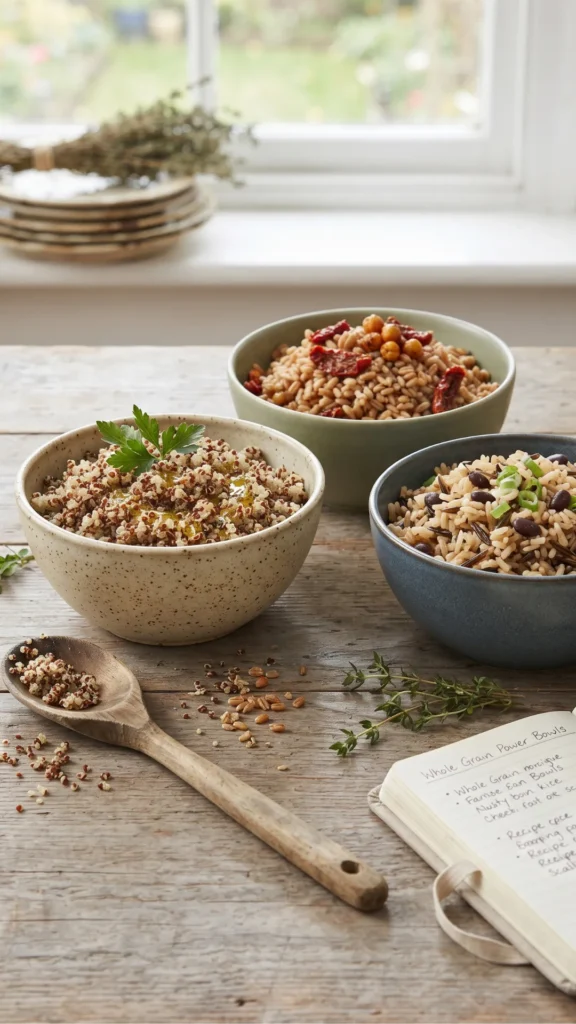
While grains are primarily carbohydrate sources, several whole grains provide meaningful protein contributions that increase the overall protein content of meals built around them, making them more valuable than their primary macronutrient classification suggests.
Quinoa is the standout grain for protein, providing approximately 4.4 grams of protein per 100 grams cooked, alongside all essential amino acids, making it a complete protein source. As a base for grain bowls and salads, quinoa provides more protein than equivalent servings of brown rice or barley while maintaining similar physical volume and fiber content.
Oats provide approximately 2.4 grams of protein per 100 grams cooked, modest but consistent when combined with Greek yogurt at breakfast to produce a genuinely protein-rich morning meal. Whole grain pasta, buckwheat, and amaranth all sit at 3 to 4 grams of protein per 100 grams cooked, providing incremental protein contributions to meals built around them.
The Best Plant-Based Protein Sources Summarised
For plant-based eaters or anyone looking to reduce animal protein intake, knowing which plant sources provide the most protein efficiency is essential for meeting daily protein targets from food alone.
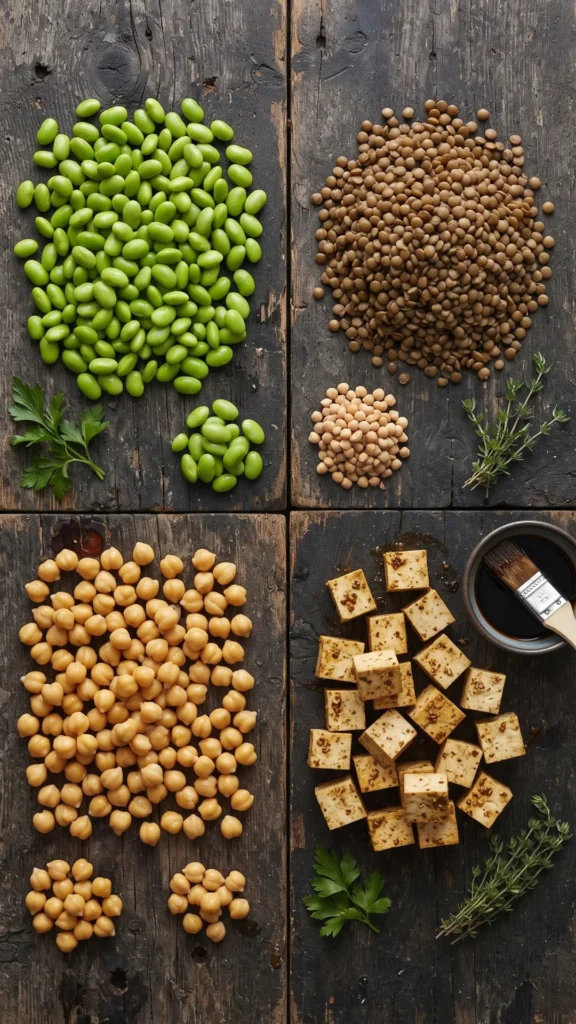
The hierarchy by protein density per 100 grams of food, edamame at 11g, tempeh at 11g, firm tofu at 8 g, lentils cooked at 9 g, chickpeas cooked at 9 g, black beans cooked at 8.9g, hemp seeds at 31g per 100g dry, and pumpkin seeds at 19g dry, provides a clear reference for building plant-based meals around the highest-protein options first.
Combining different plant proteins across the day ensures a complete amino acid profile even without any animal sources. Legumes combined with whole grains, lentils and brown rice, chickpeas and quinoa, and black beans and oats provide complementary amino acid profiles that together cover all essential amino acid requirements.
Affordable High-Protein Foods for Every Budget
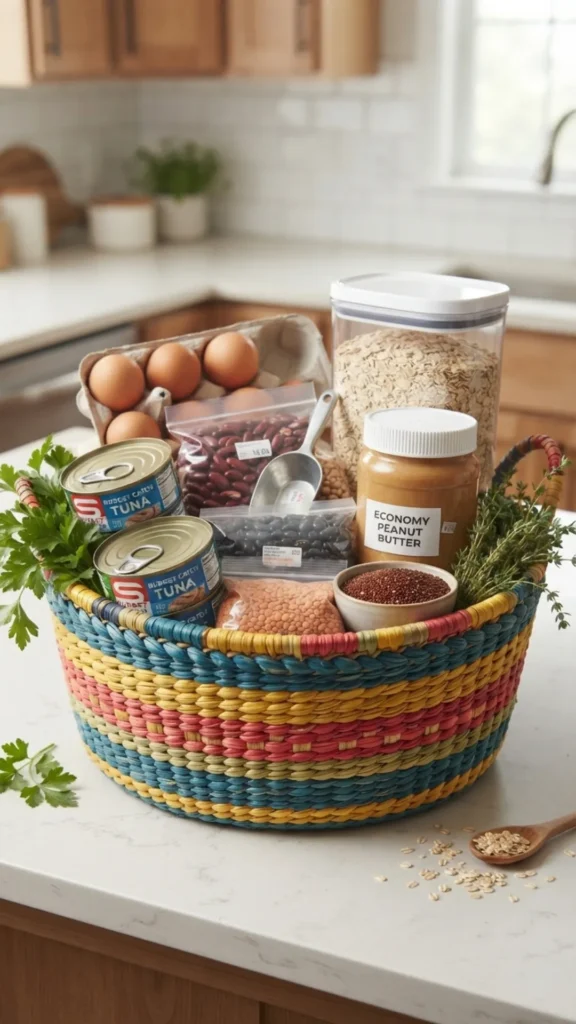
Eating a high-protein diet does not require expensive specialty products. The most affordable protein sources per gram of protein available in any supermarket are eggs, dried lentils, canned tuna in Water, dried chickpeas, dried black beans, canned salmon, low-fat cottage cheese, and frozen chicken breast bought in bulk.
A week of genuinely high-protein eating built around these affordable staples, eggs at breakfast, canned tuna or lentil soup at lunch, and chicken breast or chickpea curry at dinner, costs a fraction of the equivalent protein intake from processed protein products, protein bars, or premium fresh fish at every meal.
Buying proteins in bulk when on promotion and freezing what will not be used within two to three days further reduces the weekly cost of high-protein eating. Dried legumes cooked from scratch rather than purchased canned reduce the cost per serving further still while providing identical nutritional value.
How to Build a Balanced High-Protein Meal Every Time
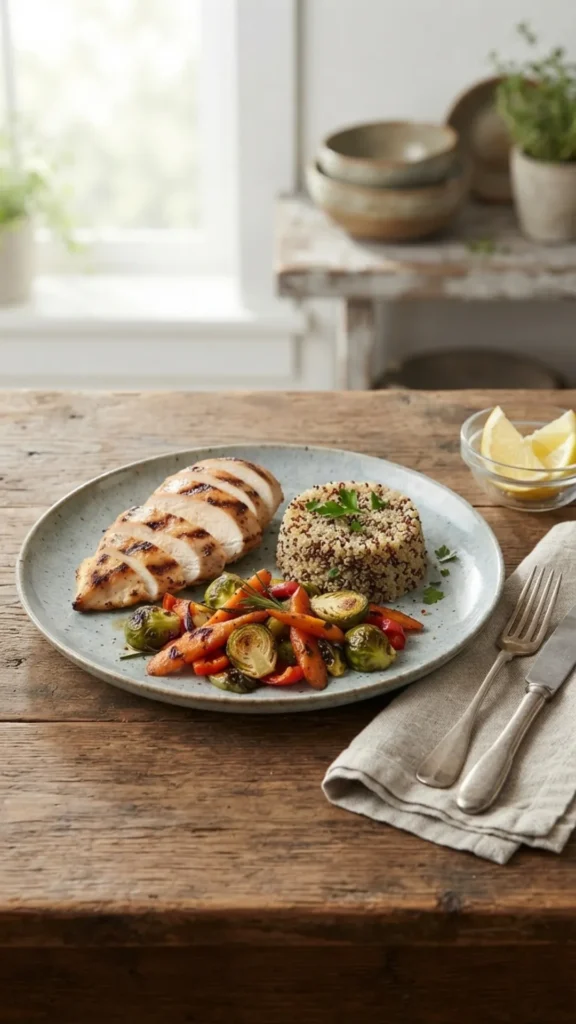
Building a balanced meal around protein does not require complicated planning once the template is established. Choose a lean protein source at 25 to 35 grams per meal. Add a generous portion of non-starchy vegetables for physical volume and fiber. Include a moderate serving of a whole grain or legume for sustained energy. Add a measured small amount of healthy fat for flavor and hormonal function.
This four-component template applies across every cuisine, and every meal format, bowl, plate, wrap, soup, and stir-fry all accommodate the same underlying structure. Rotating the protein across the week,chicken Monday, fish Tuesday, lentils Wednesday, eggs Thursday, and shrimp Friday,provides variety without changing the meal structure that makes protein intake consistent.
stributing protein across all meals and snacks rather than concentrating it in one meal produces better muscle protein synthesis, better hunger management throughout the day, and better adherence to daily protein targets than any pattern that relies on a single very high-protein meal to hit the day’s target.
Your Protein, Your Way
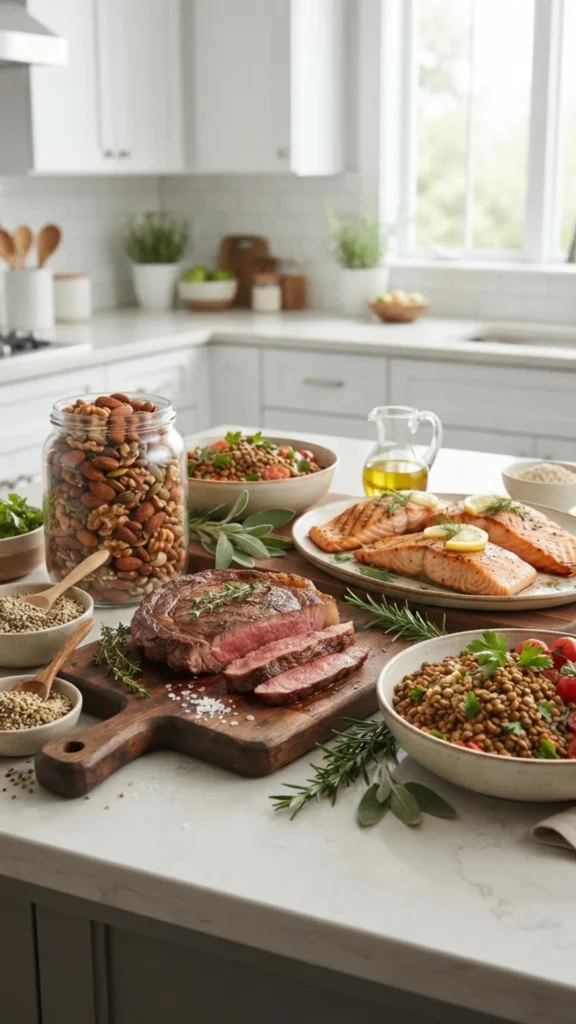
The best high-protein foods are not a fixed list of things you must eat; they are a toolkit of options across every food preference, budget level, and dietary pattern. Whether you eat meat, prefer plant-based sources, need affordable options, or want maximum protein efficiency per calorie, the foods in this guide provide everything you need to build a daily protein intake that genuinely supports your health and weight goals.
Pick the protein sources that appeal most to you from each category. Add them to your next grocery list. Build them into your weekly meals and snacks deliberately rather than hoping they appear incidentally. The results, better fullness, better energy, better body composition, follow from that consistency.
Save this to your Pinterest board, so your complete high-protein food guide is always within reach when you are planning meals or writing your shopping list. And for the volume-eating meal plans, breakfast ideas, and recipe guides that show exactly how to use these proteins in genuinely satisfying daily meals, everything you need is waiting at Volueat.com.
Disclaimer
This article is for informational purposes only and is not medical or nutritional advice. Always consult a healthcare professional before making significant changes to your diet, especially if you have existing health conditions
Table of Contents
Sources
What Protein Is and Why Your Body Needs It Every Day
How Much Protein You Actually Need
The Best Lean Meat Protein Sources for Everyday Meals
Chicken and Turkey: The Most Versatile Everyday Proteins
Lean Beef and Other Red Meat for Iron and Protein
The Best Fish and Seafood Protein Sources
Eggs: The Most Complete and Versatile Protein Available
Greek Yoghurt and High-Protein Dairy for Breakfast and Snacks
Cottage Cheese and Other Dairy Protein Options
Beans and Lentils: The Best Plant Protein Staples
Chickpeas and Other Legumes for Plant-Based Protein
Tofu, Tempeh, and Soy Foods for Complete Plant Protein
Nuts and Nut Butters for Protein and Healthy Fat
Seeds That Provide Protein and Fiber Together
Whole Grains That Contribute Meaningful Protein
The Best Plant-Based Protein Sources Summarised
Affordable High-Protein Foods for Every Budget
How to Build a Balanced High-Protein Meal Every Time
Your Protein, Your Way