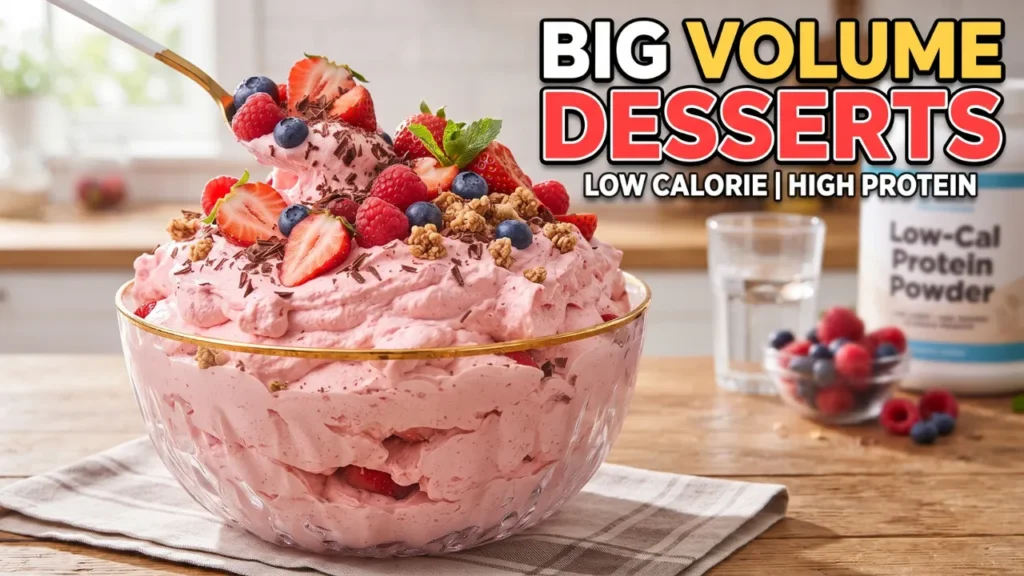
One of the biggest myths in weight loss is that dessert has to go. It does not. What has to go is the type of dessert that delivers 600 calories of sugar and fat in a tiny portion that disappears in four bites and leaves you immediately looking for more. Volume eating dessert recipes are the alternative: generous, visually impressive, genuinely sweet treats built from ingredients that provide real physical satisfaction for a fraction of the calorie cost of conventional desserts.
This guide gives you twelve specific dessert recipes across every flavor category: fruit-based, chocolate, frozen, yogurt-based, baked, and no-bake. We use the best ingredients to keep stocked and practical tips for making any sweet treat more filling. If dessert is where your eating plan has been falling apart every evening, these recipes are exactly what you need.
What Volume Eating Is and Why It Works for Dessert
Volume eating is built around calorie density, the number of calories in each gram of food. Foods at the low end of this scale provide a large physical quantity for a modest calorie investment. By building meals and snacks around these low-density foods, you can eat genuinely generous portions while maintaining the calorie deficit needed for weight loss.
Applied to dessert, this means replacing a small, calorie-dense conventional sweet, a slice of cheesecake at 400 calories, a chocolate bar at 250 calories, or two biscuits at 200 calories, with a large, physically satisfying alternative at 100 to 200 calories that fills the stomach, activates fullness signals, and satisfies the sweet craving genuinely rather than just briefly.
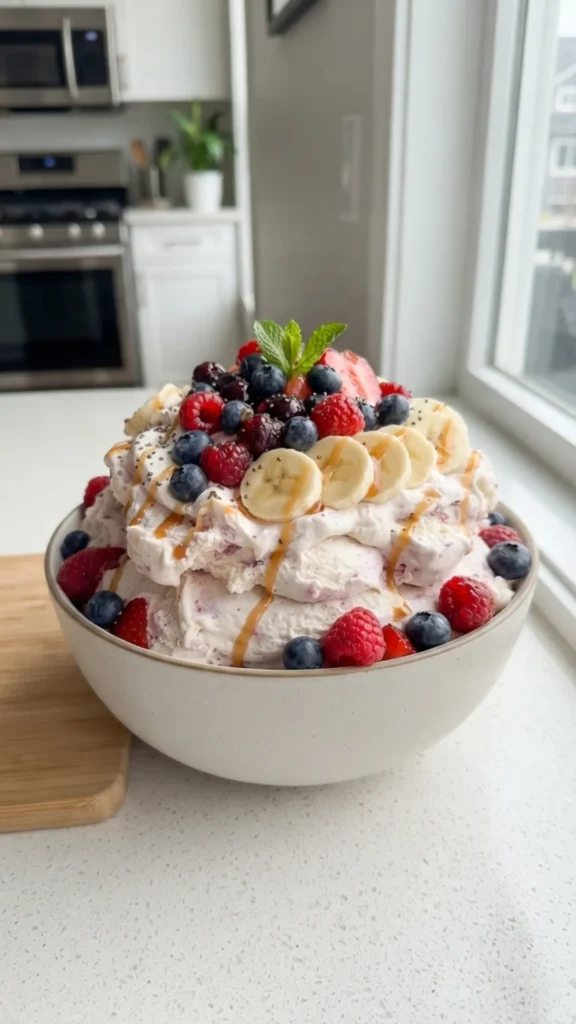
The principle works because your stomach responds to physical volume, not to calorie count. A 150-calorie bowl of frozen yogurt bark with berries activates stretch receptors in the stomach wall and sends fullness signals to the brain that a 150-calorie bite-sized chocolate treat simply cannot. Same calories. Completely different physical and psychological satisfaction.
How Volume Eating Transforms the Dessert Experience
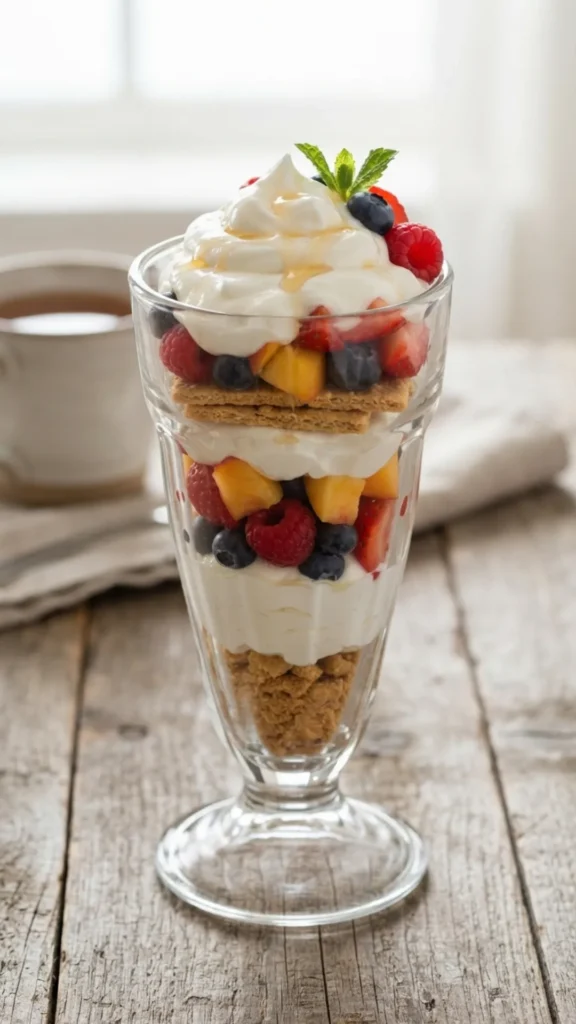
The most common experience of conventional dessert eating is the tension between wanting more and knowing you should not have it. Volume eating dessert recipes eliminate that tension by giving you a genuinely large portion, a big bowl, a full plate, or a substantial serving that satisfies both the physical desire to eat something and the psychological desire for a treat, without the lingering guilt or continued craving that follows calorie-dense desserts.
A dessert that feels generous changes the psychological experience of the end of a meal. It signals completion rather than restraint. The brain and the stomach both receive the message that something satisfying was consumed, which is what prevents the continued kitchen circling that follows a small, inadequate sweet.
Volume eating dessert recipes also tend to be higher in fiber and protein than conventional desserts, which means they extend satiety into the evening rather than spiking blood sugar and crashing it within thirty minutes. That extended satiety is the mechanism behind the evening snacking reduction that most people experience when they switch to high-volume, low-calorie dessert options.
The Best Ingredients for High-Volume, Low-Calorie Desserts
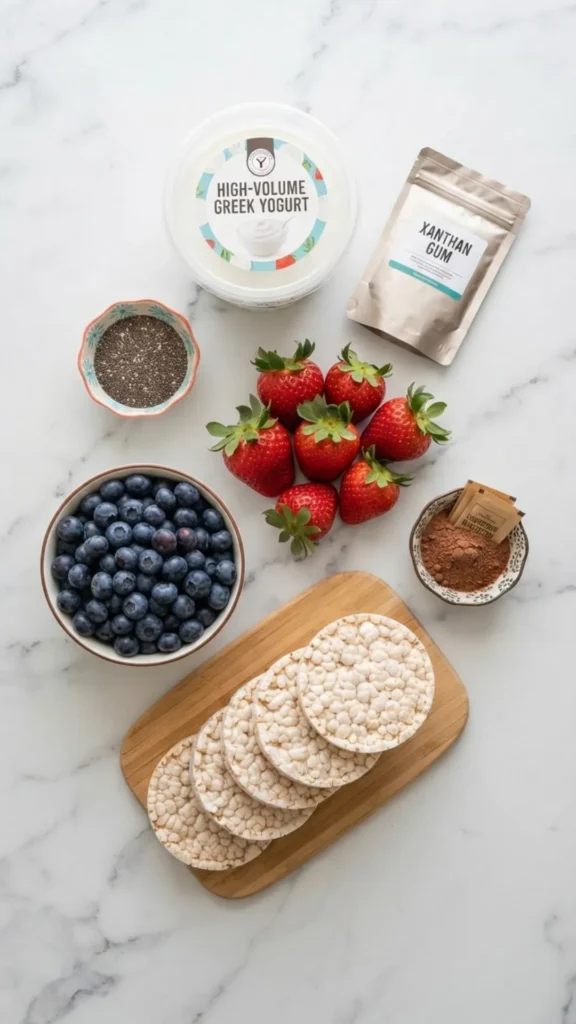
Knowing which ingredients do the most work for physical volume, natural sweetness, and satiety in desserts makes building any recipe straightforward. These are the staples worth keeping stocked consistently for dessert preparation.
Frozen fruit, mixed berries, mango, peaches, and bananas form the cold, creamy, naturally sweet base of frozen volume desserts. Frozen berries at 32 to 57 calories per 100 grams provide enormous physical volume and exceptional fiber for almost no calorie cost. A 200-gram portion of frozen mixed berries defrosted at room temperature costs approximately 90 to 110 calories and fills a large dessert bowl genuinely.
Non-fat Greek yogurt at 59 calories per 100 grams with 10 grams of protein is the creamy, protein-rich base that makes yogurt desserts genuinely satisfying rather than just sweet. Frozen banana at approximately 89 calories per 100 grams blends into a naturally creamy, ice-cream-like texture at a fraction of the calorie cost of actual ice cream. Chia seeds add 10 grams of fiber per two tablespoons and expand physically in liquid, creating pudding textures and increasing the physical volume of any liquid-based dessert at minimal calorie cost.
Cocoa powder at approximately 12 calories per tablespoon provides genuine chocolate flavor without the fat and sugar of chocolate bars. Dark chocolate at 70 percent or above, used in very small amounts of 10 to 15 grams, provides intense chocolate satisfaction for 60 to 80 calories per serving. Natural sweeteners such as a small amount of honey, vanilla extract, or cinnamon add perceived sweetness without significant calorie contribution.
You might like this: https://volueat.com/wp-admin/post.php?post=1337&action=edit
Easy Fruit-Based Volume Desserts That Feel Like a Real Treat
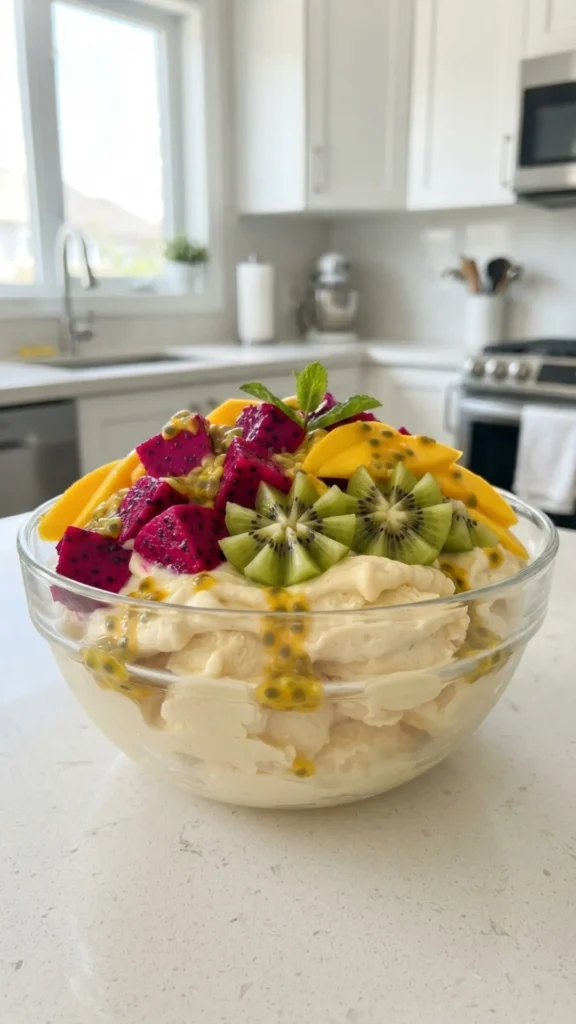
Fruit-based desserts are the most immediately accessible volume-eating dessert category, requiring minimal preparation, no cooking, and producing genuinely large, visually impressive servings for very few calories.
Watermelon granita: blend 400 grams of seedless watermelon chunks with a squeeze of lime juice until smooth. Pour into a flat freezer-safe container and freeze for two hours. Scrape with a fork every thirty minutes to create a granita texture. Serve in a large glass, approximately 120 calories for a very generous portion with 2 grams of fiber. The icy, refreshing texture feels completely indulgent while the calorie total is negligible.
Strawberry and orange salad: 250 grams of sliced fresh strawberries combined with segments from one large orange, a squeeze of lime, and torn fresh mint leaves. Served in a large bowl. Approximately 110 calories with 5 grams of fiber. This dessert is an enormous bowl of colorful, naturally sweet, genuinely satisfying fruit that takes several minutes to eat, giving fullness signals appropriate time to register.
Baked cinnamon pear: one large pear halved and cored, placed cut-side up in an oven dish, dusted with cinnamon and a teaspoon of honey, and baked at 180 degrees for twenty minutes until soft and caramelized. Served warm with a dollop of non-fat Greek yogurt, approximately 120 to 130 calories with 5.5 grams of fiber and 5 grams of protein. Warm, sweet, and genuinely comforting, this is one of the most effective volume-eating dessert recipes for cold evenings.
High-Protein Volume Eating Desserts That Last Beyond the Bowl
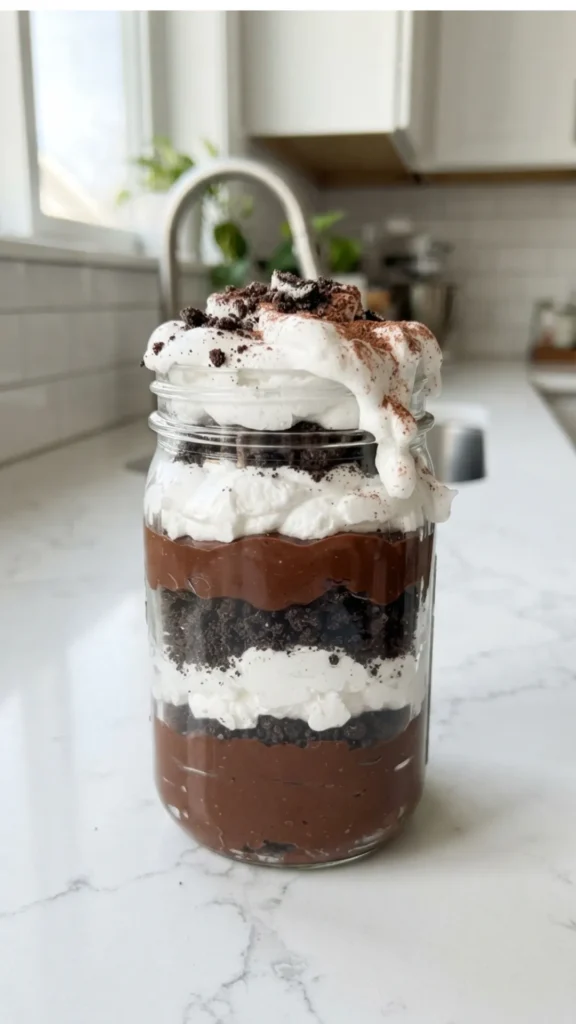
Adding protein to dessert is the modification that most transforms volume eating sweet treats from a brief satisfaction into extended evening fullness. Protein activates satiety hormones that suppress appetite for ninety minutes to two hours after eating, which is exactly what prevents continued kitchen searching after dessert is finished.
Protein Greek yoghurt bark: spread 300 grams of non-fat Greek yoghurt onto a flat tray lined with parchment paper. Top with a generous handful of mixed fresh berries, a tablespoon of chia seeds, and a drizzle of honey. Freeze for two hours until firm. Break into large pieces and eat from a bowl. Approximately 190 to 210 calories for a generous serving with 20 grams of protein and 8 grams of fiber. This is one of the most popular volume-eating dessert recipes for good reason: it looks beautiful, eats like frozen dessert, and provides protein that genuinely extends fullness.
Cottage cheese mousse: blend 150 grams of low-fat cottage cheese with a tablespoon of cocoa powder, a teaspoon of honey, and a teaspoon of vanilla extract until completely smooth. Serve in a bowl topped with sliced strawberries or raspberries—approximately 160 calories with 18 grams of protein and 3 grams of fiber. The blended cottage cheese becomes genuinely mousse-like in texture, creamy, rich, and chocolatey in a way that surprises most people expecting cottage cheese to taste like cottage cheese.
Low-Calorie Chocolate Desserts That Satisfy the Real Craving
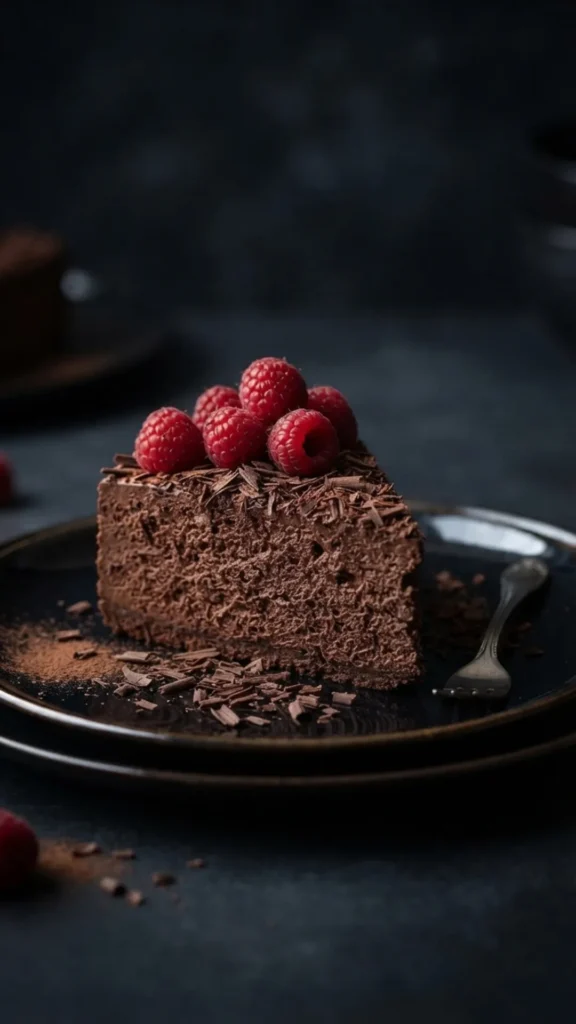
Chocolate cravings are among the most specific and most persistent sweet urges, and attempting to satisfy them with non-chocolate alternatives consistently fails. Volume eating chocolate dessert recipes address the craving directly with real chocolate flavor at dramatically lower calorie density than conventional chocolate desserts.
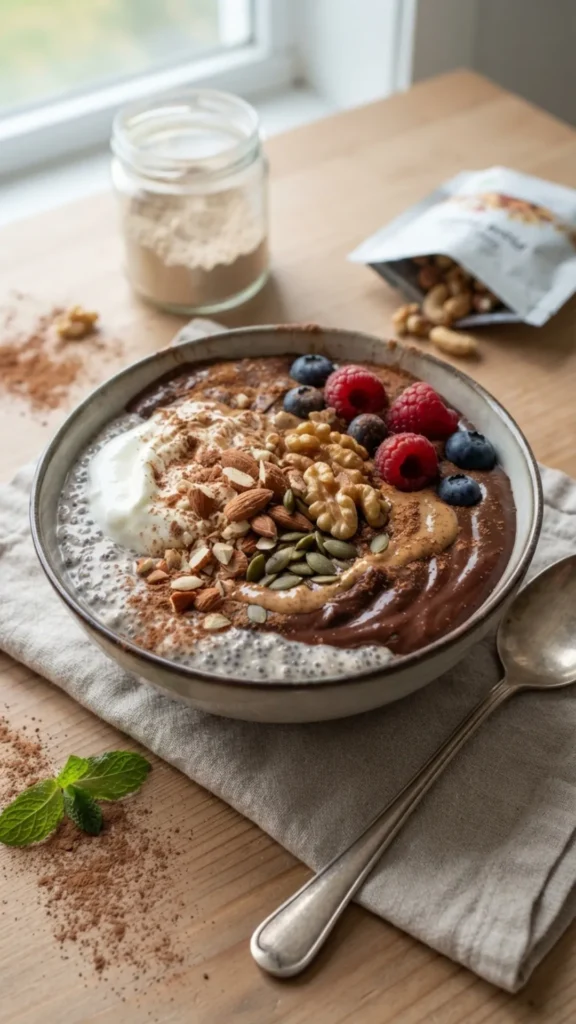
Chocolate chia pudding: combine two tablespoons of chia seeds with 200ml of unsweetened almond milk, one tablespoon of cocoa powder, a teaspoon of honey, and a teaspoon of vanilla extract. Stir well and refrigerate for at least four hours or overnight. The chia seeds absorb the liquid and create a thick, pudding-like consistency. Serve in a large glass or bowl topped with a small handful of raspberries, approximately 160 to 180 calories with 10 grams of fiber. The chocolate pudding texture is genuine, not a compromise, and the fiber content produces fullness that extends well beyond the eating occasion.
Dark chocolate-dipped strawberries: melt 20 grams of 70 percent dark chocolate and dip twelve large strawberries, placing them on parchment paper to set. Serve on a large plate, approximately 160 calories with 4 grams of fiber. The twelve-strawberry serving looks genuinely generous, a full plate of chocolate-dipped fruit that satisfies the chocolate craving while providing the physical volume of a large fruit portion.
Cocoa and banana ice cream: blend two frozen bananas with one tablespoon of cocoa powder and a teaspoon of vanilla extract until completely smooth and creamy. Serve immediately as soft serve or freeze for an hour for firmer consistency. Approximately 190 calories with 6 grams of fiber. This is the most genuinely ice-cream-like volume-eating dessert recipe available; the frozen banana texture is surprisingly authentic, and the chocolate flavor is real.
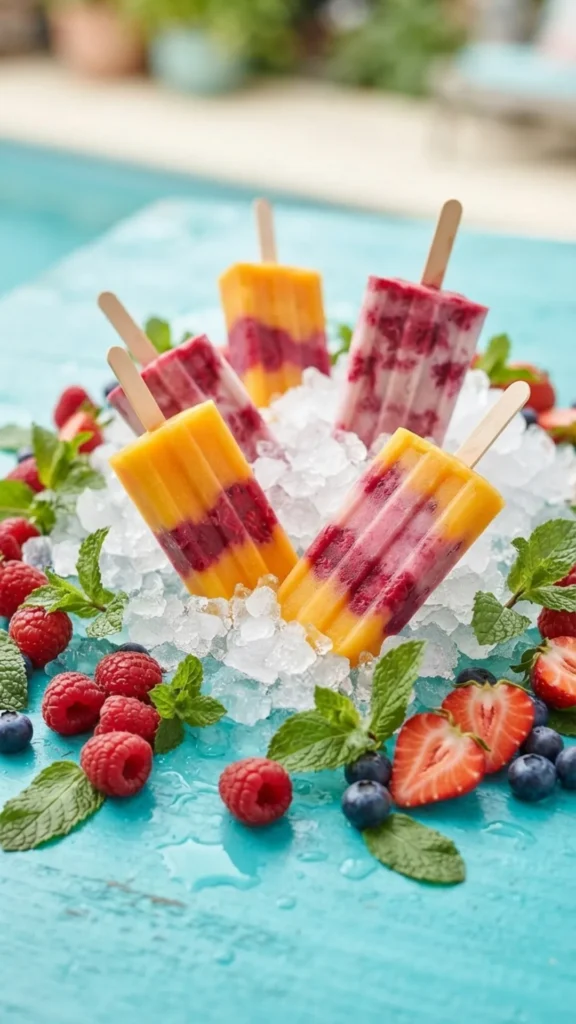
Healthy Frozen Dessert Ideas for Summer and Sweet Cravings
Frozen desserts occupy a unique psychological space , they feel indulgent in a way that room-temperature food does not; the cold temperature slows eating pace naturally, and the process of eating something cold and sweet produces genuine sensory satisfaction. Volume eating frozen dessert recipes maximizes all of these effects at a very low calorie cost.
Frozen mango sorbet: blend 300 grams of frozen mango chunks with a squeeze of lime juice and two tablespoons of Water until smooth and creamy. Serve immediately in a large bowl,approximately 180 calories with 4.5 grams of fibre. The 300-gram serving is an enormous bowl of smooth, intensely flavored sorbet at a genuinely modest calorie total.
Berry frozen yogurt bark: already covered in the protein section above , worth mentioning again as the most versatile frozen volume eating dessert, adaptable with any fruit combination and genuinely impressive in presentation.
Frozen banana bites: slice two bananas into rounds, dip each in 15 grams of melted dark chocolate, place on parchment paper, and freeze for thirty minutes. Serve twelve pieces on a plate, approximately 180 calories with 5 grams of fiber. Eaten slowly from a plate, these take longer to consume than a conventional chocolate treat and produce a more satisfying eating experience per calorie spent.
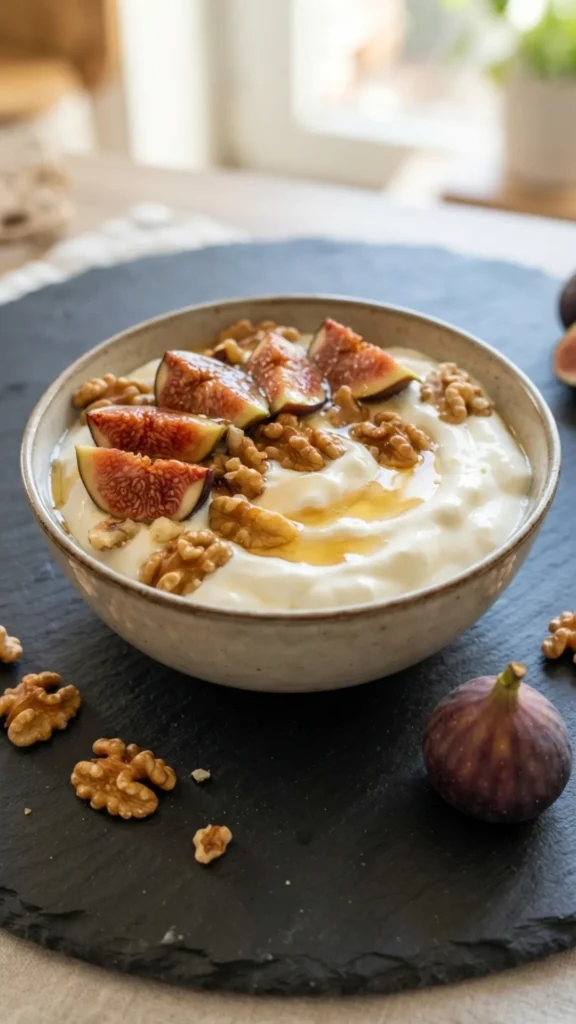
Yoghurt-Based Dessert Recipes That Are Creamy and Filling
Greek yogurt transforms into a genuinely satisfying dessert base when treated with the right flavor additions and toppings, creamy, protein-rich, and adaptable to almost any sweet flavor profile.
Lemon yoghurt bowl: 200 grams of non-fat Greek yoghurt mixed with the zest and juice of half a lemon, a teaspoon of honey, and a pinch of vanilla. Topped with a very generous handful of fresh blueberries and a tablespoon of crushed whole grain oats for texture. Approximately 175 to 190 calories with 20 grams of protein and 4 grams of fiber. The lemon cuts through the mild yoghurt flavor to create a genuinely bright, refreshing dessert that feels considerably more sophisticated than its ingredients suggest.
Tropical yogurt bowl: 200 grams of non-fat Greek yogurt topped with 100 grams of diced fresh mango, 50 grams of pineapple chunks, a tablespoon of coconut flakes in a small measured amount, and a squeeze of lime, approximately 200 calories with 18 grams of protein and 3 grams of fiber. The tropical fruit combination creates an immediately mood-lifting dessert experience that is genuinely enjoyable rather than just nutritionally functional.
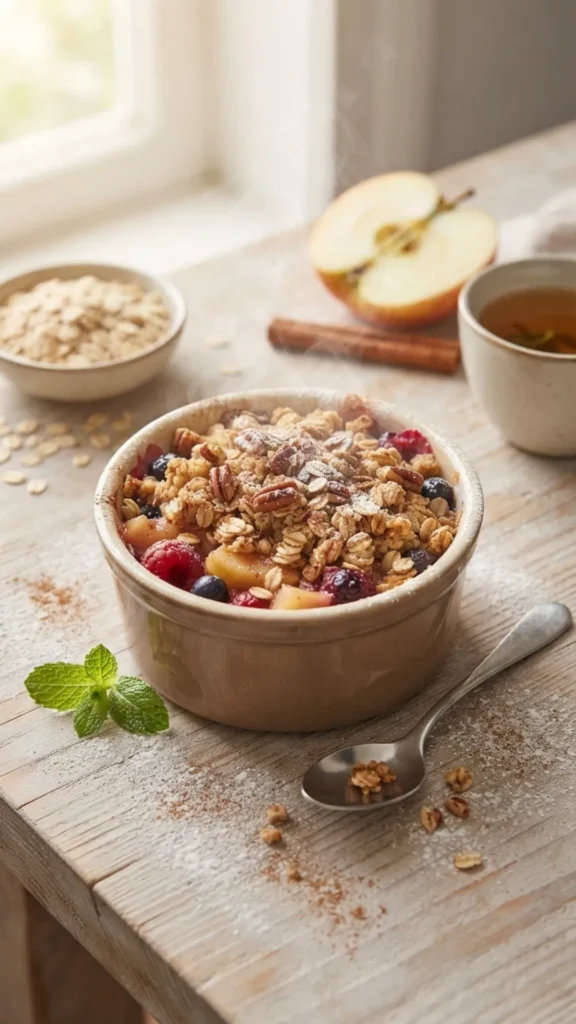
Low-Calorie Baked Dessert Ideas That Feel Like Real Baking
Baked desserts provide a warmth and comfort that no cold dessert can replicate, and volume-eating baked dessert recipes achieve this with ingredient modifications that reduce calorie density without reducing the experience of eating something genuinely baked and homemade.
Banana oat cookies: mash two ripe bananas with 60 grams of rolled oats, a teaspoon of cinnamon, and a handful of raisins or dark chocolate chips. Shape into eight cookies and bake at 180 degrees for twelve minutes. Two cookies provide approximately 120 to 130 calories with 3 grams of fiber. The banana sweetness makes these cookies genuinely sweet without any added sugar, and the oat base provides beta-glucan fiber that contributes to the satiety profile.
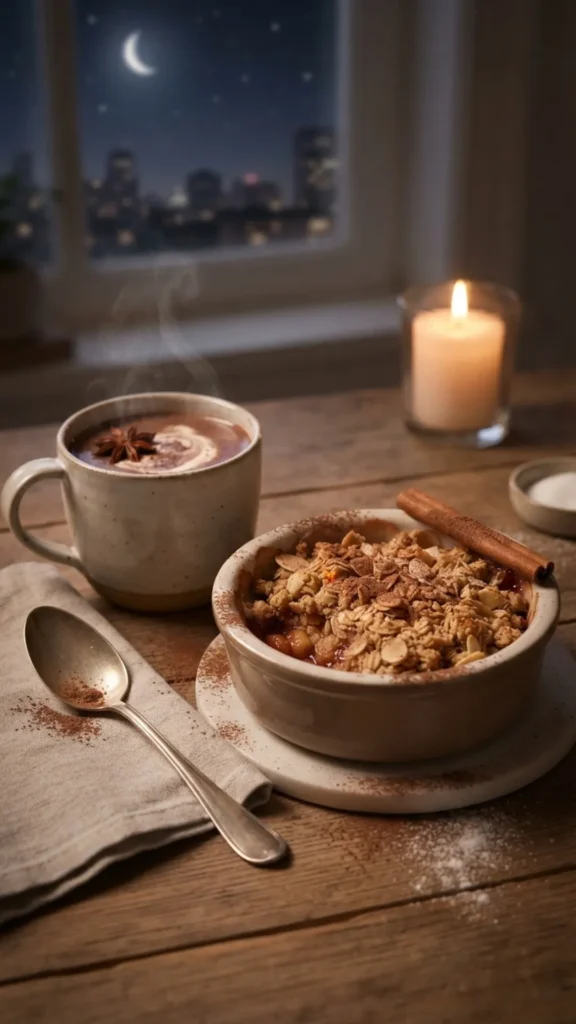
Baked apple: core one large apple and fill with a mixture of a teaspoon of honey, cinnamon, and a tablespoon of rolled oats. Bake at 180 degrees for twenty to twenty-five minutes until completely soft. Serve with two tablespoons of non-fat Greek yogurt, approximately 130 to 140 calories with 5 grams of fiber and 4 grams of protein. A baked apple feels like a genuinely nostalgic, comforting dessert , particularly in colder months.
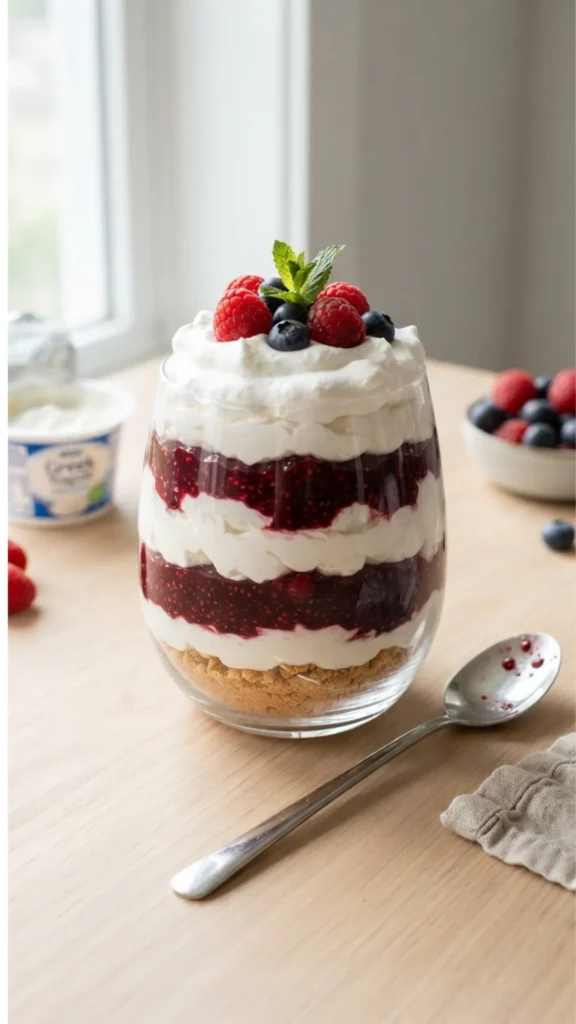
Quick No-Bake Volume Desserts Ready in Under Five Minutes
The desserts most likely to be eaten on busy evenings are the ones that require no cooking and minimal preparation. These no-bake volume-eating dessert recipes are ready in under five minutes and require no equipment beyond a bowl and a spoon.
Overnight berry chia pudding: two tablespoons of chia seeds combined with 150 ml of unsweetened almond milk, a teaspoon of vanilla, and a tablespoon of honey the night before. Topped with fresh berries in the morning. Approximately 165 calories with 10 grams of fiber. The overnight preparation means the dessert requires zero evening effort; it is already waiting in the fridge.
Peanut butter and banana bowl: one medium banana sliced into a bowl with one tablespoon of natural peanut butter, a drizzle of honey, and a pinch of sea salt. Approximately 180 to 190 calories with 4 grams of protein and 3 grams of fiber. This is the most indulgent-feeling no-bake dessert on this list; the peanut butter and banana combination satisfies in a way that feels genuinely treat-like despite sitting under 200 calories.
The Best Volume-Eating Desserts Under 200 Calories
For anyone tracking carefully, here is a quick-reference summary of the best volume-eating dessert recipes that sit comfortably under 200 calories per serving:
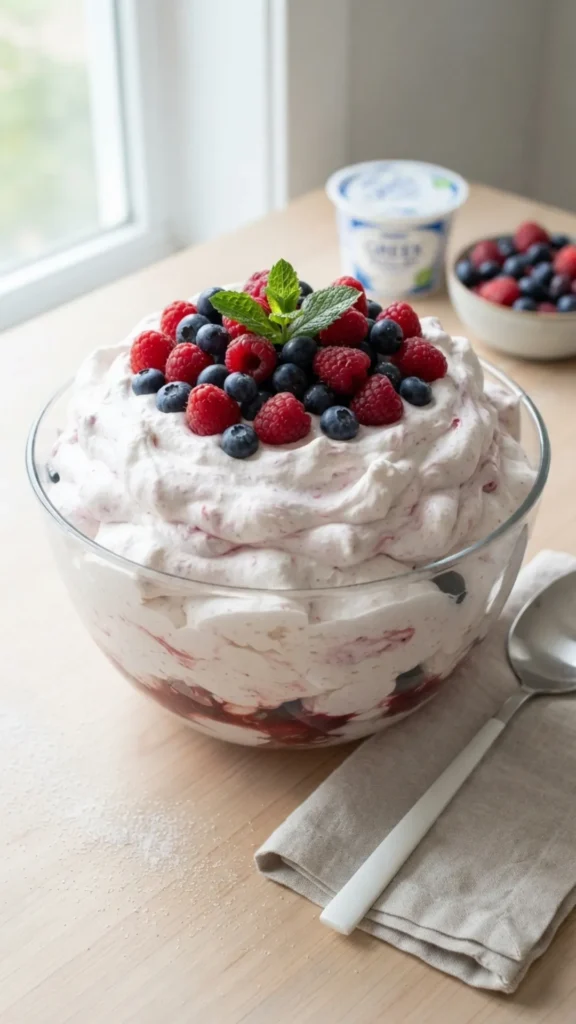
Watermelon granita, approximately 120 calories. Protein Greek yoghurt bark, approximately 190 to 210 calories for a generous portion. Chocolate chia pudding, approximately 160 to 180 calories. Cocoa and banana ice cream, approximately 190 calories. Lemon yogurt bowl, approximately 175 to 190 calories. Frozen mango sorbet, approximately 180 calories. Dark chocolate-dipped strawberries, approximately 160 calories. Baked cinnamon pear with Greek yogurt, approximately 125 to 130 calories. Banana oat cookies, two pieces, approximately 120 to 130 calories. Strawberry and orange salad, approximately 110 calories.
Every item on this list is a genuinely large, genuinely sweet, genuinely satisfying dessert. None of them are tiny bites or token gestures toward sweetness. All of them provide real physical and psychological satisfaction within a calorie range that supports weight loss rather than undermining it.
Tips for Making Any Dessert More Filling
The volume-eating principles behind these recipes apply to any sweet treat you already enjoy; a few specific modifications increase physical volume, fiber, and protein without requiring complete recipe overhauls.
Always increase the fruit component of any dessert before adding calorie-dense ingredients. A small portion of yogurt topped with a very generous quantity of berries is more filling than a large portion of yogurt with a few berries and often has fewer total calories.
Add chia seeds to any liquid-based dessert. They expand in liquid and increase physical volume dramatically within thirty minutes , transforming thin fruit compotes, yogurt sauces, and smoothie-style desserts into thick, textured puddings that take longer to eat and produce stronger fullness signals.
Use frozen rather than fresh ingredients wherever the dessert format allows. Frozen fruit slows eating pace naturally, increases the sensory experience of the dessert, and produces a more satisfying texture in blended desserts than fresh fruit alone.
Include a small protein component in any sweet treat. A tablespoon of Greek yogurt alongside fruit, a tablespoon of cottage cheese blended into a mousse, or a tablespoon of nut butter in a measured portion adds the protein that extends post-dessert fullness from thirty minutes to ninety minutes, which is the difference between a satisfying end to the day and continued kitchen searching twenty minutes later.
Sweet Every Night, Guilt-Free Every Time
Dessert does not have to be the meal you feel bad about. Volume eating dessert recipes prove that sweet, satisfying, genuinely generous evening treats are completely compatible with weight loss when the ingredients are chosen with calorie density in mind and the portions are built around physical fullness rather than caloric adequacy.
Pick two or three recipes from this guide that genuinely appeal to you. Add the ingredients to your next grocery list. Make one tonight. Notice how different it feels to finish the evening with something genuinely satisfying rather than something token.
Save this to your Pinterest board so all twelve volume eating dessert recipes are always within reach when the evening sweet craving arrives. And for the full breakfast, lunch, dinner, and snack recipe guides that complete the daily picture, everything you need is waiting at Volueat.com.
Disclaimer
This article is for informational purposes only and is not medical or nutritional advice. Always consult a healthcare professional before making significant changes to your diet, especially if you have existing health conditions
Table Of Contents
Dessert Recipes
What Volume Eating Is and Why It Works for Dessert
How Volume Eating Transforms the Dessert Experience
The Best Ingredients for High-Volume, Low-Calorie Desserts
Easy Fruit-Based Volume Desserts That Feel Like a Real Treat
High-Protein Volume Eating Desserts That Last Beyond the Bowl
Low-Calorie Chocolate Desserts That Satisfy the Real Craving
Healthy Frozen Dessert Ideas for Summer and Sweet Cravings
Yoghurt-Based Dessert Recipes That Are Creamy and Filling
Low-Calorie Baked Dessert Ideas That Feel Like Real Baking
Quick No-Bake Volume Desserts Ready in Under Five Minutes
The Best Volume-Eating Desserts Under 200 Calories
Tips for Making Any Dessert More Filling
Sweet Every Night, Guilt-Free Every Time