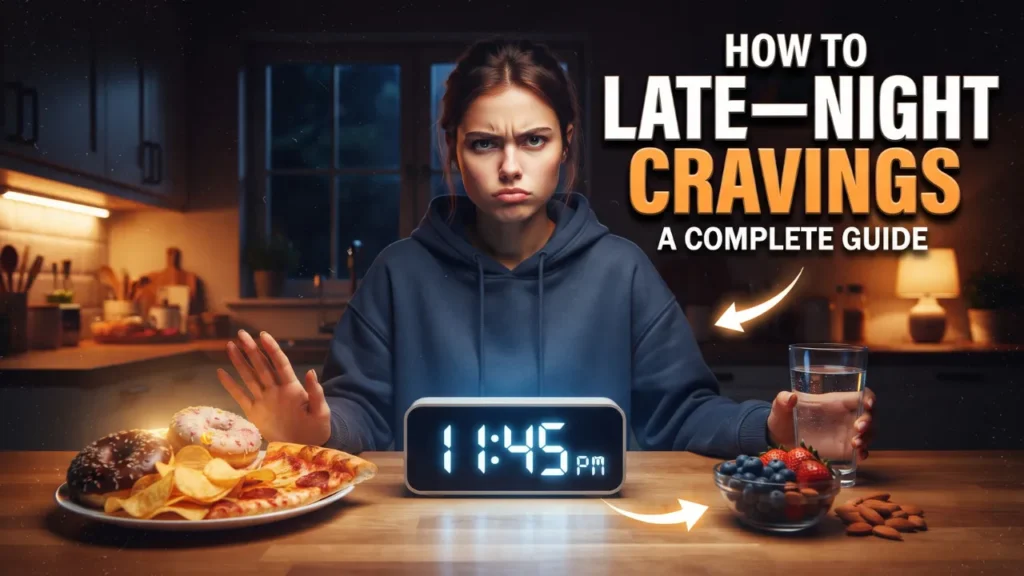
Late-night cravings are a common challenge for many trying to lose weight. These cravings aren’t a sign of weak willpower but stem from a mix of biological rhythms, emotional triggers, and habitual behaviors. Understanding why these cravings occur and adopting the right strategies can help you stop late-night cravings and maintain healthier eating habits.

Why Do Late-Night Cravings Happen?
Late-night cravings often result from a combination of factors:
- Hormonal Changes: Ghrelin, the hunger hormone, naturally increases in the evening, making the post-dinner hours feel more hunger-driven than other times of the day.
- Stress: Elevated cortisol levels from a stressful day can lead to strong urges for high-calorie comfort foods.
- Habits: For many, eating in the evening is linked with relaxation and routines like watching TV, training the brain to expect food regardless of actual hunger.
Distinguishing Between Hunger and Cravings
You might like this: https://volueat.com/7-day-volume-eating-challenge-eat-more-feel-full-and-lose-weight/
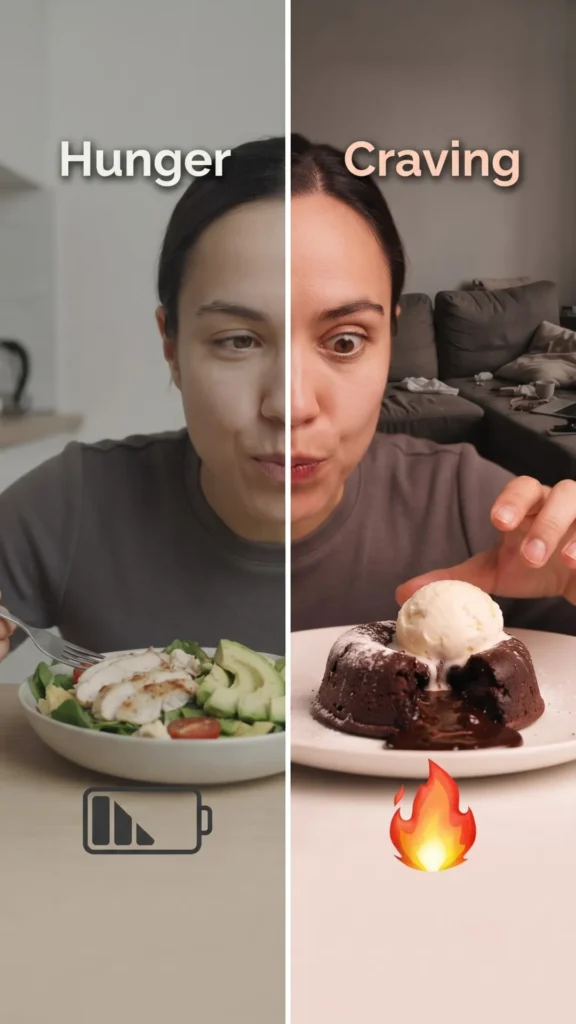
Being able to tell if you’re truly hungry or just craving specific foods is key to managing late-night snacking:
- Physical Hunger develops gradually and includes sensations such as stomach growling, fatigue, or difficulty concentrating. It’s open to a variety of foods.
- Cravings hit suddenly and focus on specific comfort foods, often triggered by emotions or habits rather than real need.
A simple test: Would you eat a plain apple or Greek yogurt right now? If yes, you’re likely genuinely hungry. If no, and only sweets or salty snacks appeal, it’s probably a craving.

The Power of a Filling Dinner
The best way to prevent late-night hunger is by eating a satisfying, balanced dinner that includes:
- Lean Protein (30-40g): Helps suppress hunger hormones and prolongs fullness.
- High Fiber: Slows digestion and stabilizes blood sugar, reducing urgent hunger later.
- Volume Eating: Filling half your plate with non-starchy vegetables like broccoli, spinach, and peppers adds bulk and satiety without many calories.
- Timing: Eating dinner around 7 p.m. rather than early evening reduces the chance of genuine hunger before bed.
Starting with a bowl of broth or miso soup can also help fill your stomach, extending fullness.

Planning Smart Evening Snacks
If hunger persists, a planned low-calorie, nutrient-rich snack can prevent impulsive eating. Good options include:
- Frozen berries or grapes for sweetness and fiber.
- Greek yogurt with a drizzle of honey for protein and sweetness.
- Miso soup or air-popped popcorn for warmth or crunch without many calories.
Eating these snacks mindfully, slowly, and from a bowl rather than directly from packages helps you feel satisfied.

Managing Stress and Emotional Eating
Stress eating is driven by the body seeking quick energy relief through high-fat, sugary foods. To break this cycle:
- Incorporate non-food stress relievers like walking, warm baths, journaling, or connecting with friends.
- Allow occasional planned comfort snacks to avoid feelings of deprivation.

Create a Kitchen Cut-Off Time
Setting a specific time in the evening to close the kitchen helps reduce late-night snacking. This routine should include:
- Cleaning up after your last meal.
- Brushing your teeth immediately after.
- Moving to a different space with a warm, caffeine-free herbal tea.
- Engaging in relaxing, non-food activities to signal the end of eating.

Remove Temptations from Easy Reach
Keeping high-calorie trigger foods out of sight or out of the house reduces impulsive eating. Replace them with accessible healthy alternatives like fresh fruit, Greek yogurt, or veggie sticks.

Improve Your Sleep Habits
Lack of sleep increases hunger hormones and cravings, especially for sugary, high-calorie foods. Prioritize:
- Consistent bed and wake times.
- A cool, dark sleeping environment.
- Reducing screen time before bed.
- Maintaining your kitchen cut-off routine.
Better sleep supports appetite regulation and curbs late-night cravings.

Hydrate Before You Snack
Sometimes thirst is mistaken for hunger. Drinking a large glass of water or a warm herbal tea before giving in to a craving can reduce the urge to eat unnecessarily.
In Summary:
Stopping late-night cravings is about understanding the underlying causes and building supportive habits. Focus on balanced, protein- and fiber-rich dinners, mindful snacking, stress management, structured evening routines, and good sleep hygiene. These changes work best when combined and practiced consistently.
By implementing these strategies, you can transform your evenings from food-focused struggles into restful, satisfying periods that support your health goals.
For more tips on balanced meals and evening routines, visit Volueat.com.
Disclaimer
This article is for informational purposes only and is not medical or nutritional advice. Always consult a healthcare professional before making significant changes to your diet, especially if you have existing health conditions
Table of content
How to Stop Late-Night Cravings: A Complete Guide
Why Do Late-Night Cravings Happen?
Distinguishing Between Hunger and Cravings
The Power of a Filling Dinner
Planning Smart Evening Snacks
Managing Stress and Emotional Eating
Create a Kitchen Cut-Off Time
Remove Temptations from Easy Reach
Improve Your Sleep Habits
Hydrate Before You Snack

