
Breakfast sets the tone for your entire day. Choosing the right breakfast can make managing your weight easier by keeping hunger in check and energy levels steady. Healthy breakfasts under 300 calories aren’t about eating as little as possible—they’re about selecting foods rich in protein, fiber, and volume that satisfy you without exceeding your calorie goals.

Why Choose a Breakfast Under 300 Calories?
Eating a breakfast under 300 calories helps manage your daily calorie intake effectively. For those aiming to consume between 1,400 and 1,600 calories a day for weight loss, starting with a moderate breakfast allows room for nutritious meals later without feeling deprived or overly hungry by midday.
A low-calorie breakfast doesn’t mean feeling hungry shortly after eating. Instead, it’s about picking nutrient-dense foods that support fullness and sustain your energy throughout the morning. For example, a breakfast combining Greek yogurt, oats, and berries delivers lasting satiety compared to a similar-calorie breakfast of white toast and jam.

Benefits of a Protein- and Fiber-Rich Breakfast
Research shows that breakfasts high in protein and fiber not only reduce hunger during the morning but also help regulate appetite all day long. These nutrients slow digestion, stabilize blood sugar, and trigger hormones that signal fullness, preventing mid-morning cravings and energy dips.
A balanced breakfast supports better food choices later in the day. When you start with enough protein and fiber, you’re less likely to overeat at lunch, which is a common pitfall when breakfast is skipped or poorly planned.
You Might Like This:https://volueat.com/wp-admin/post.php?post=950&action=edit

How to Build a Filling Breakfast Under 300 Calories
To create a satisfying breakfast under 300 calories, focus on three elements:
- Protein: Aim for 15 to 20 grams to activate fullness hormones. Good sources include egg whites, whole eggs, Greek yogurt, and cottage cheese.
- Fiber: Include 5 to 8 grams from foods like oats, berries, chia seeds, and flaxseed to slow digestion and maintain steady blood glucose.
- Volume: Choose foods that add physical bulk, such as vegetables, fruit, and whole grains, to stretch your stomach and promote satiety.

Tasty High-Protein Breakfast Ideas
- Egg white scramble: Four egg whites and one whole egg cooked with spinach and mushrooms in broth offer about 17-19 grams of protein for under 200 calories. Add a slice of whole-grain toast for a complete meal under 300 calories.
- Greek yogurt bowl: Combine 150 grams of non-fat Greek yogurt with rolled oats and berries for around 230 calories and 18 grams of protein.
- Cottage cheese and fruit: 150 grams of low-fat cottage cheese paired with apple slices and chia seeds totals about 250 calories and offers 20 grams of protein.

Breakfasts Rich in Fiber for Blood Sugar Control
Fiber slows digestion and keeps blood sugar stable, which reduces hunger. Some fiber-rich breakfast options include:
- Overnight oats: Mix rolled oats, chia seeds, Greek yogurt, and berries for a make-ahead meal offering 8 to 10 grams of fiber and 16 grams of protein.
- Oatmeal with flaxseed and fruit: Cook oats with water or broth and top with ground flaxseed and fresh fruit for a warm, filling start.
- Berry boost: Add fiber-rich frozen raspberries or blackberries to your yogurt or oats for extra bulk and sweetness.

Delicious Greek Yogurt Breakfast Bowls
Greek yogurt bowls are easy, protein-packed, and versatile. Use non-fat Greek yogurt as a base and top with fresh or frozen berries, chia seeds, and a sprinkle of oats or granola for texture. For a warm twist, heat berries into a compote and spoon over cold yogurt.

Oatmeal Recipes That Keep You Full
Oats contain beta-glucan fiber, which slows glucose absorption and prolongs fullness. Try:
- Classic oats with strawberries and Greek yogurt
- Savory oats cooked in vegetable broth topped with egg and avocado
- Baked oat cups with banana, egg whites, and berries for meal prep
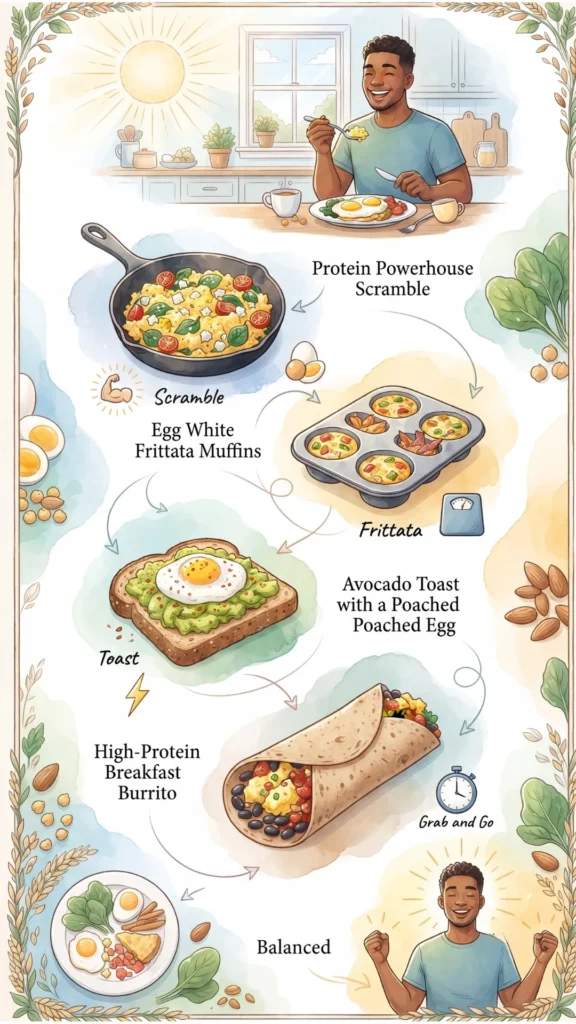
Egg-Based Breakfasts for Protein Power
Eggs are a complete protein source with essential amino acids. Some great options include:
- Egg white scramble with veggies and toast
- Baked egg muffins with turkey, vegetables, and herbs
- Vegetable omelette with eggs and fresh herbs
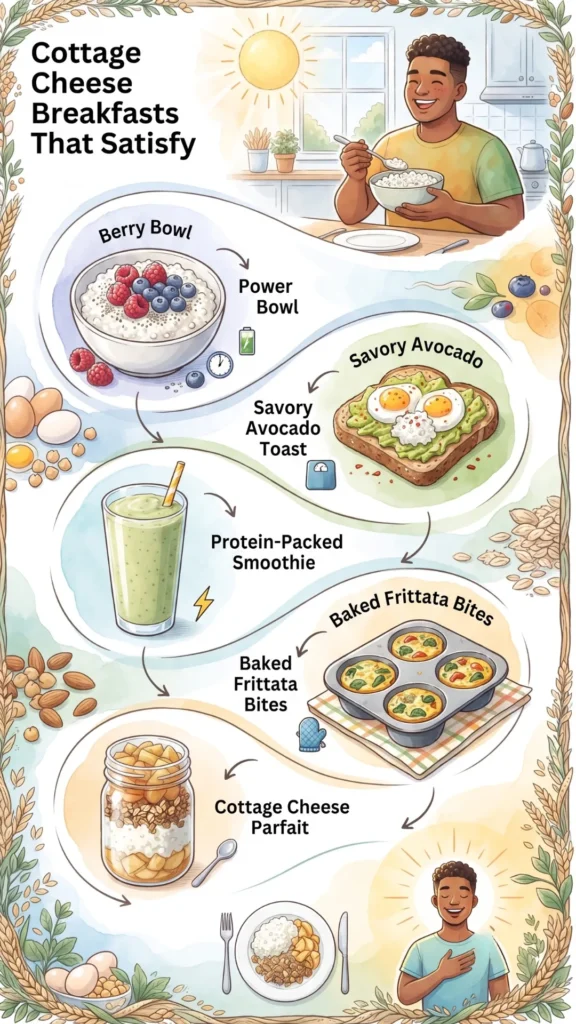
Cottage Cheese Breakfasts That Satisfy
Low-fat cottage cheese is high in protein and pairs well with sweet or savory toppings:
- Sweet bowl with berries, honey, and chia seeds
- Savory whole grain toast with cottage cheese, cucumber, and tomatoes
- Cottage cheese pancakes made with eggs and oats

Fruit and Yogurt Combos for Quick, Nutritious Breakfasts
Combine non-fat Greek yogurt with seasonal fruits like berries or tropical options such as kiwi and mango. Add a drizzle of honey or layer ingredients into a parfait for visual appeal.
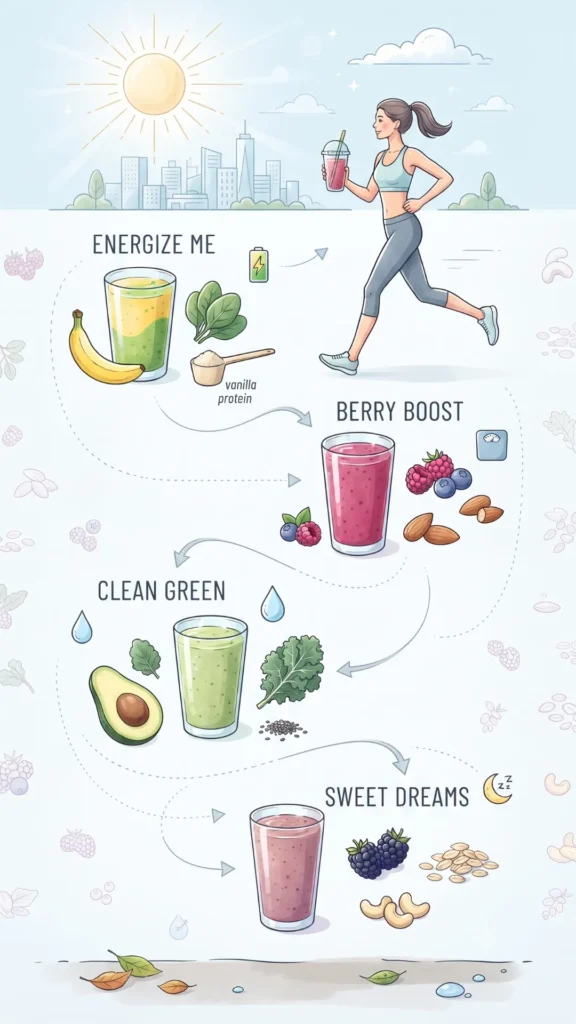
Smoothies Under 300 Calories
Smoothies can be a quick breakfast if thickened to eat with a spoon and packed with protein and fiber:
- Green smoothie with mango, spinach, Greek yogurt, and oats
- Berry protein smoothie with mixed berries, Greek yogurt, chia seeds, and water
Avoid adding calorie-dense ingredients like nut butters, honey, or fruit juice unless you count their calories.
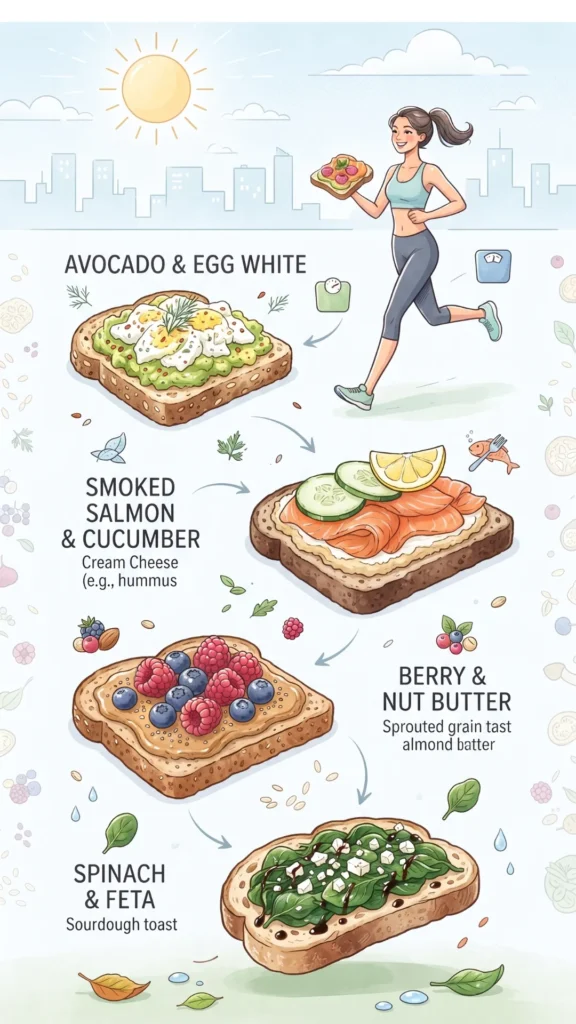
Smart Toast Ideas for Weight Loss
Choose dense whole grain or sourdough bread with nutritious toppings:
- Cottage cheese and tomato with seasoning
- Egg and avocado with a poached egg on toast
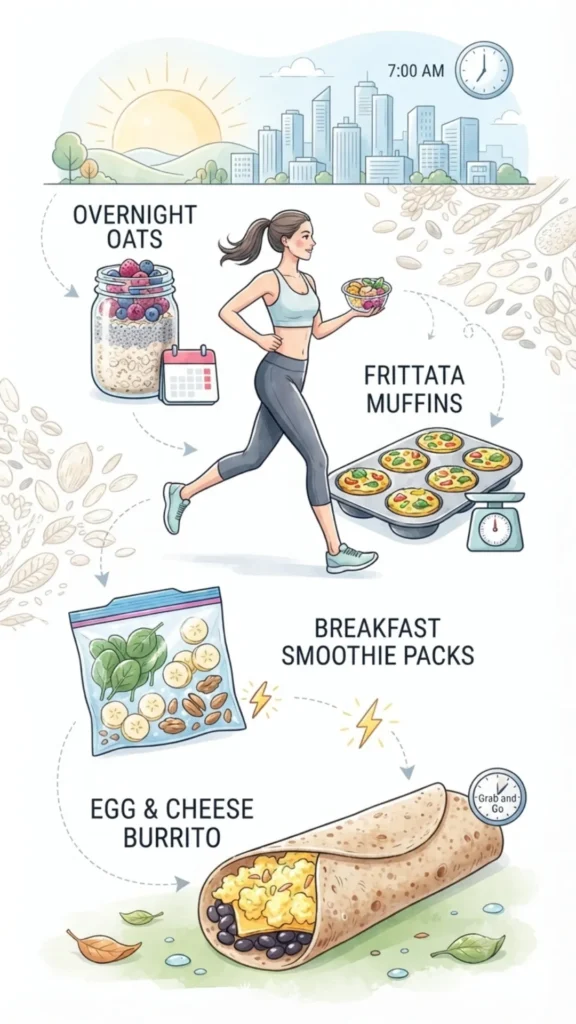
Make-Ahead Breakfasts to Save Time
Prepare meals in advance to avoid morning rush:
- Overnight oats in jars
- Baked egg muffins with various fillings
- Chia seed pudding with almond milk and vanilla
Common Breakfast Mistakes to Avoid
- Skipping breakfast, which increases hunger and overeating later
- Choosing low-calorie but nutrient-poor foods without protein or fiber
- Adding unmeasured calorie-rich toppings like nut butters or honey
- Drinking high-calorie beverages alongside breakfast
Ingredients That Help You Feel Fuller, Longer
- Chia seeds and flaxseed: High in fiber and expand in the stomach
- Oats: Contain beta-glucan for appetite control
- Protein sources: Greek yogurt, eggs, and cottage cheese to activate fullness hormones
- Water-rich foods: Cucumbers, melon, and berries for volume with few calories
Sample 7-Day Breakfast Plan Under 300 Calories
- Day 1: Oats with Greek yogurt, berries, chia seeds (~270 cal)
- Day 2: Egg white scramble with spinach, mushrooms, and toast (~250 cal)
- Day 3: Greek yogurt parfait with oats and strawberries (~255 cal)
- Day 4: Overnight oats with chia seeds and blueberries (~280 cal)
- Day 5: Cottage cheese pancakes with raspberries (~285 cal)
- Day 6: Vegetable omelette with fruit (~260 cal)
- Day 7: Berry protein smoothie bowl (~265 cal)
FAQs
Is 300 calories enough for breakfast?
Yes, when the meal is rich in protein and fiber, 250-300 calories can keep you full and support weight loss.
Can changing breakfast alone cause weight loss?
Improving breakfast helps control hunger and supports better food choices, but overall calorie balance throughout the day is essential.
What is the best breakfast for weight loss?
A meal with at least 15 grams of protein, 5 grams of fiber, and enough volume to fill your stomach.
Can I eat the same breakfast daily?
Yes. Consistency helps with calorie control, but rotating a few favorites can maintain variety.
Disclaimer
This article is for informational purposes only and is not medical or nutritional advice. Always consult a healthcare professional before making significant changes to your diet, especially if you have existing health conditions
Table of content
Healthy Breakfast Ideas Under 300 Calories
Why Choose a Breakfast Under 300 Calories?
Benefits of a Protein- and Fiber-Rich Breakfast
How to Build a Filling Breakfast Under 300 Calories
Tasty High-Protein Breakfast Ideas
Breakfasts Rich in Fiber for Blood Sugar Control
Delicious Greek Yogurt Breakfast Bowls
Oatmeal Recipes That Keep You Full
Egg-Based Breakfasts for Protein Power
Cottage Cheese Breakfasts That Satisfy
Fruit and Yogurt Combos for Quick, Nutritious Breakfasts
Smoothies Under 300 Calories
Smart Toast Ideas for Weight Loss
Make-Ahead Breakfasts to Save Time
Common Breakfast Mistakes to Avoid
Ingredients That Help You Feel Fuller, Longer
Sample 7-Day Breakfast Plan Under 300 Calories
FAQs
Starting your day with a nutrient-packed breakfast under 300 calories can improve hunger control, energy, and your weight loss journey. Choose options that combine protein, fiber, and volume, and prepare ahead to make mornings easier and more satisfying.

