One of the biggest challenges when trying to lose weight is eating less without feeling hungry all day. That’s why understanding which low-calorie foods can keep you full is absolutely essential. Choosing the right foods allows you to enjoy generous, satisfying meals every day while staying comfortably within your calorie goals. No hunger pangs, no cravings, no constant watching of the clock until your next meal.
This comprehensive guide dives deep into the science behind satiety, breaks down the best foods by category, and provides a complete list of 50 filling low-calorie foods to keep handy. Whether you’re meal prepping for the week or making smarter choices at the grocery store, this is your go-to resource.
Why Low-Calorie Foods Are a Weight Loss Game-Changer
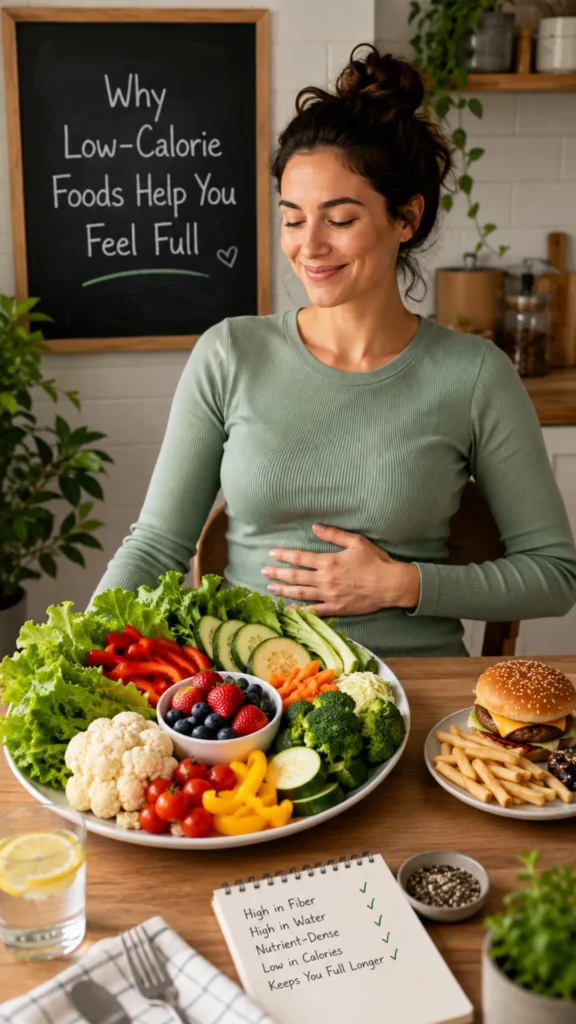
Low-calorie, filling foods work so well because your stomach responds primarily to volume and weight, not just calories. When your stomach stretches to a certain extent, stretch receptors signal fullness to your brain. Foods that are bulky and heavy physically activate these receptors without packing many calories. This means you can feel full without overeating.
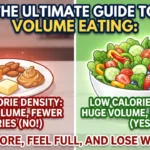
This concept is the foundation of volume eating: eat more food, but choose the right ones. Plates loaded with vegetables, lean proteins, and water-rich ingredients can weigh twice as much as processed snacks yet contain far fewer calories and keep you full for longer.
There’s also a hormonal effect. High-fiber, protein-rich, low-calorie foods slow digestion, stabilize blood sugar, and promote the release of fullness hormones like peptide YY and cholecystokinin. These signals help keep hunger at bay and reduce cravings throughout the day. This isn’t about willpower; it’s about smart food choices doing the work for you.
Not all low-calorie foods are equally satisfying. For example, a rice cake may be low in calories but vanishes quickly and doesn’t quell hunger. So, what makes some foods more filling than others?
Four key factors influence a food’s satiety:
Water content: Foods high in water are bulky and heavy, filling the stomach more per calorie.
Fiber: Fiber slows digestion, feeds gut bacteria that produce fullness signals, and prolongs satisfaction.
Protein: The most satiating macronutrient, protein triggers the strongest fullness hormones per calorie.
Calorie density: The fewer calories per gram, the more volume you get for your calorie budget.
The best filling low-calorie foods excel in multiple areas. For example, spinach is high in water and fiber, Greek yogurt packs protein with low calories, and lentil soup combines water, fiber, and protein in one bowl. Building meals around foods that tick several of these boxes is a reliable strategy for staying full while reducing calories.
High-Volume Vegetables That Satisfy Hunger
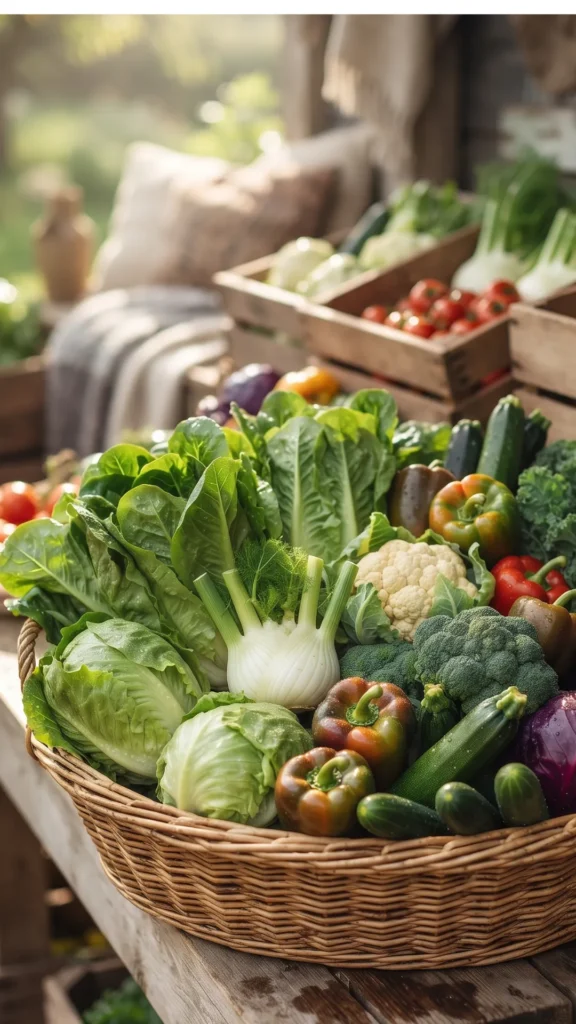
Non-starchy vegetables are the cornerstone of a filling, low-calorie diet. These veggies are very low in calorie density, usually between 15 to 35 calories per 100 grams, yet they are fibrous and heavy enough to fill a large plate and your stomach.
Spinach: Around 23 calories per 100 grams, nutrient-dense, and wilts significantly when cooked, making it easy to eat large portions.
Cucumber and Zucchini: Both contain about 15-17 calories per 100 grams and more than 90% water. Great raw or cooked, providing volume with minimal calories.
Broccoli and Cauliflower: High fiber and versatile; cauliflower rice is a low-calorie substitute for regular rice.
Other notable veggies include mushrooms, celery, cabbage, bell peppers, kale, asparagus, radishes, tomatoes, watercress, arugula, bok choy, and green beans, all under 35 calories per 100 grams.
Water-Rich Fruits That Add Fullness Without the Guilt
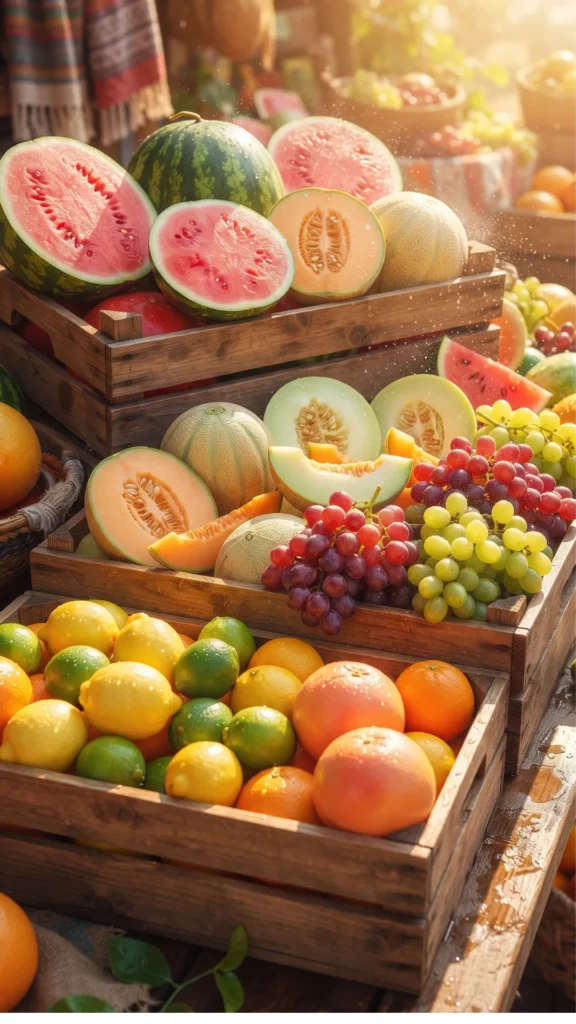
Fruits often get a bad rap in dieting, but most whole fruits are 85-95% water, low in calories, and rich in fiber that slows sugar absorption.
Watermelon: About 30 calories per 100 grams, 92% water, naturally sweet, and very satisfying in large portions.
Berries (strawberries, raspberries, blueberries): Low-calorie and high in fiber. Raspberries have roughly 6.5 grams of fiber per 100 grams, excellent for satiety.
Grapefruit, cantaloupe, peaches, oranges, apples, and pears are also great choices, providing volume and fiber to keep hunger away.
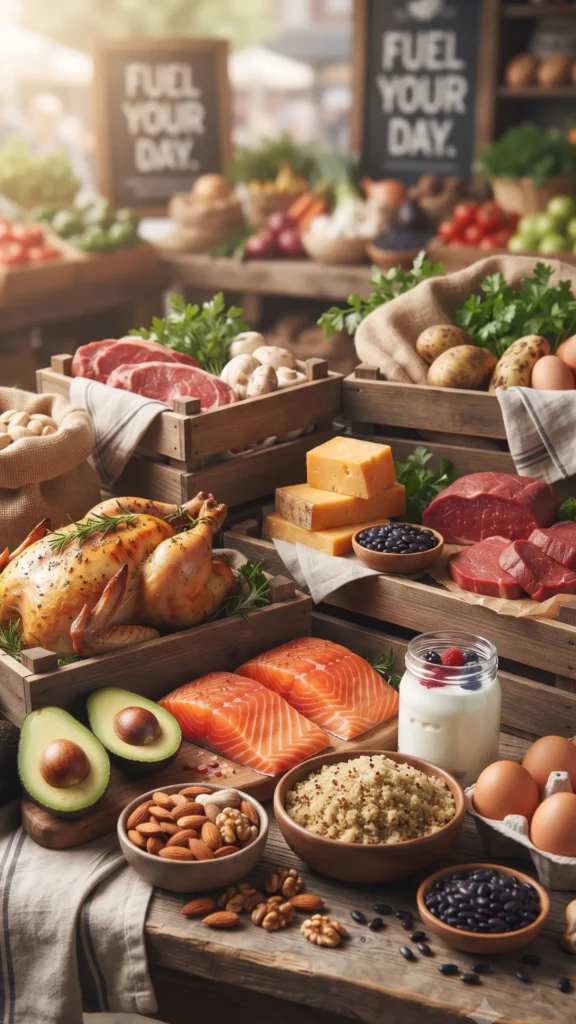
Protein-Rich Foods That Keep You Full Longer
Protein is the most powerful nutrient for satiety. Per gram, it triggers a stronger and longer-lasting fullness than carbs or fats.
Egg whites: Around 17 calories per large egg white with 3.6 grams of protein.
White fish (cod, tilapia, haddock): 70-90 calories per 100 grams, with 18-22 grams of protein.
Shrimp: High protein, low calorie (~85 calories/100g).
Non-fat Greek yogurt and low-fat cottage cheese: Rich in protein and creamy texture, making them feel indulgent.
Skinless chicken breast: Lean and filling with 23 grams of protein per 100 grams.
Fiber-Rich Foods for Extended Fullness
Fiber slows digestion, stabilizes blood sugar, and feeds gut bacteria that produce fullness signals.
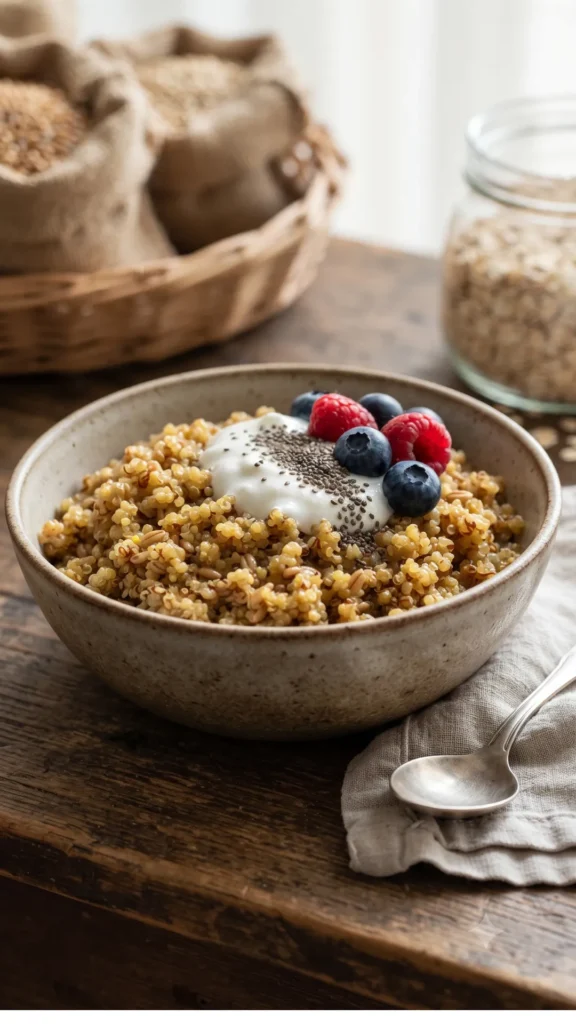
Oats: Beta-glucan fiber forms a gel that slows glucose absorption, keeping hunger away for 3-4 hours.
Chia seeds and flaxseeds: Concentrated fiber sources that expand in the stomach, increasing volume and fullness.
Brussels sprouts, artichokes, sweet potatoes: High-fiber veggies that provide nutrients and sustained satiety.
Low-Calorie Legumes and Beans
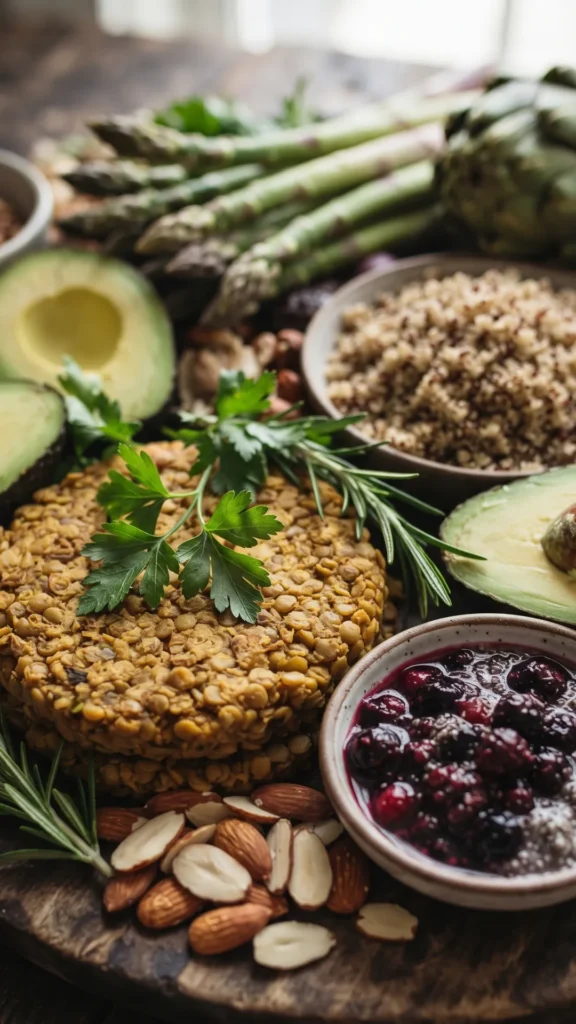
Legumes combine protein, fiber, and complex carbs, hitting three satiety factors at once.
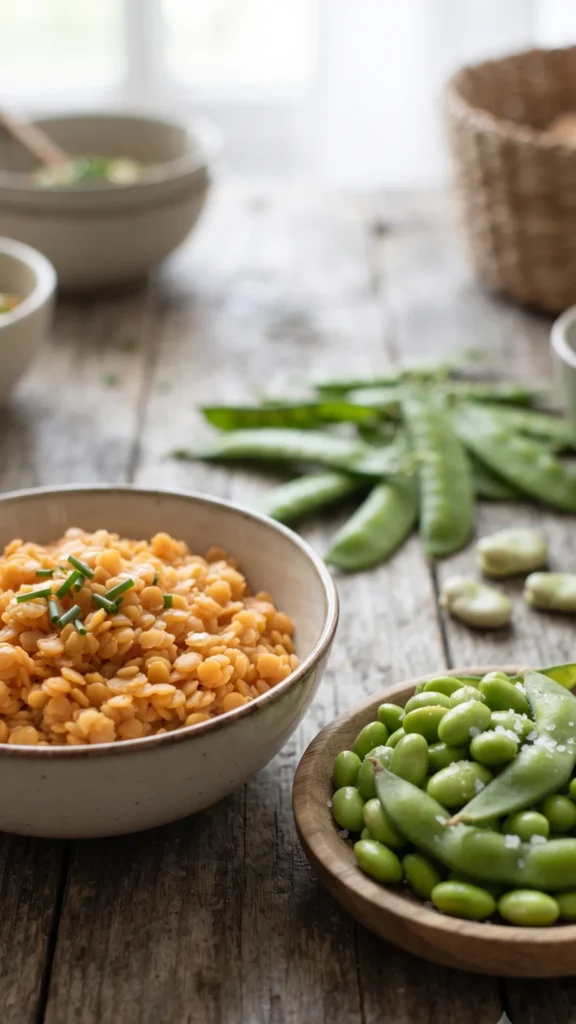
Lentils: 116 calories per 100 grams cooked, with 9g protein and 8g fiber.
Chickpeas, black beans, kidney beans: Versatile and filling.
Edamame: High protein (11g/100g) and low calorie (122 calories/100g), perfect as a snack.
Filling Whole Grains That Support Weight Loss
Whole grains are more calorie-dense than vegetables but far more filling than refined grains.
Barley: High in beta-glucan fiber, 123 calories per 100 grams cooked.
Brown rice and quinoa: Practical, filling options with fiber and protein.
Whole grain bread: Offers more fiber and satiety than white bread.
Low-Calorie Soups and Broths to Start Your Meal
Starting a meal with broth-based soup can reduce total calorie intake without sacrificing satisfaction. Soups combine water and food in a matrix that stays longer in the stomach, activating fullness receptors.
Miso soup, clear vegetable broth, tomato-based soups without cream, and minestrone with legumes and veggies are all excellent.
Making a big pot of vegetable broth soup each week is a practical meal prep strategy.
Healthy Low-Calorie Snacks That Curb Cravings
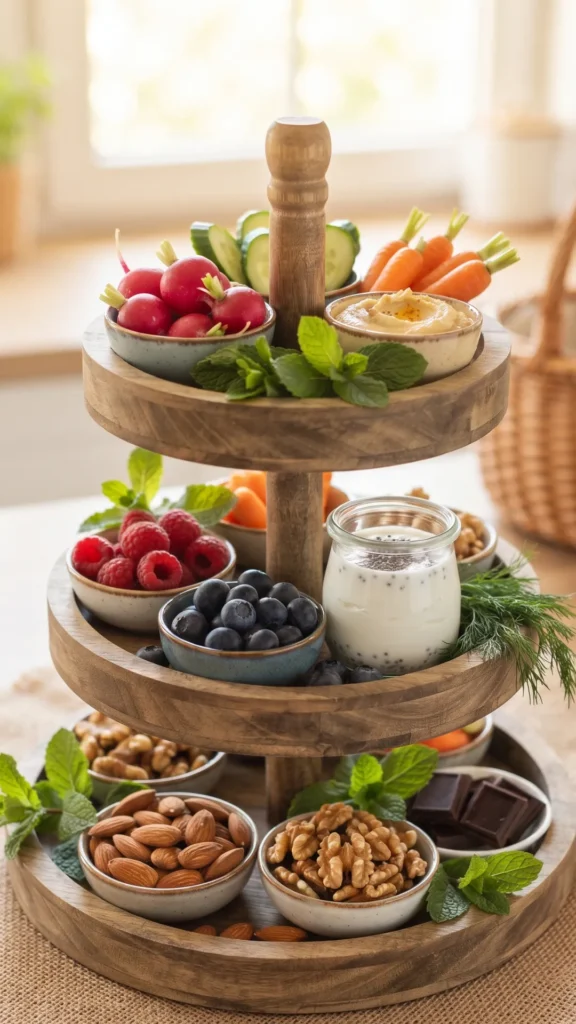
Processed snacks add hidden calories with little satiety. Instead, choose snacks with volume, fiber, and protein:
Raw vegetables with hummus: About 100-120 calories, high in fiber and protein.
Greek yogurt with berries, hard-boiled eggs, a small apple with cottage cheese, edamame, and air-popped popcorn, all under 150 calories and filling.
Top 50 Low-Calorie Foods to Keep You Full (Calories per 100g)
Vegetables: Cucumber (15), Zucchini (17), Spinach (23), Romaine lettuce (17), Celery (16), Mushrooms (22), Cauliflower (25), Broccoli (34), Bell peppers (31), Cabbage (25), Kale (35), Asparagus (20), Radishes (16), Tomatoes (18), Watercress (11), Arugula (25), Bok choy (13), and Green beans (31).
Whole grains: Oats (71), Brown rice (110), Quinoa (120), and Barley (123).
Extras: Air-popped popcorn (387 per 100g, but a large bowl ~30g is about 115 calories).
How to Build a Filling Low-Calorie Meal
Follow this plate structure:
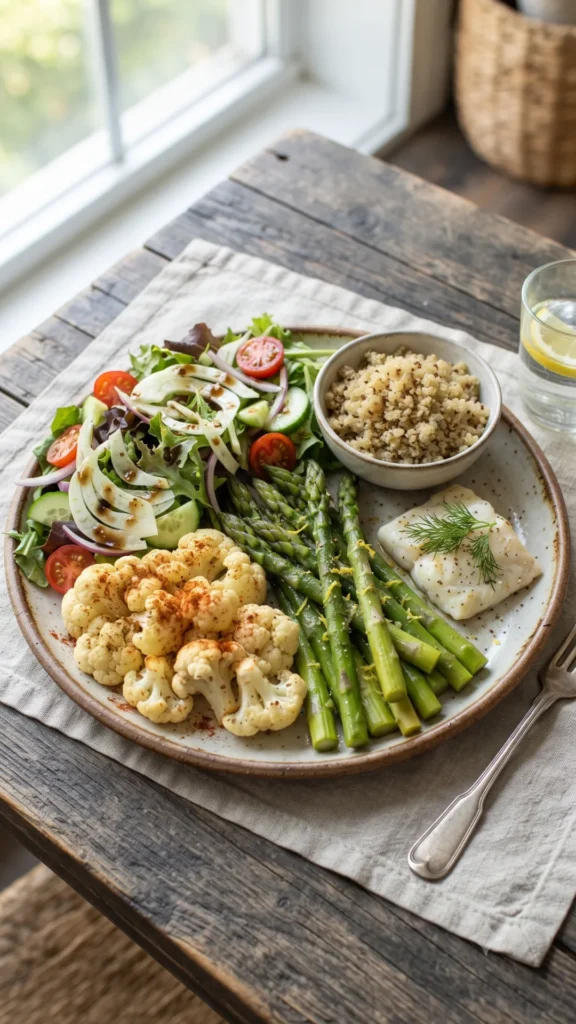
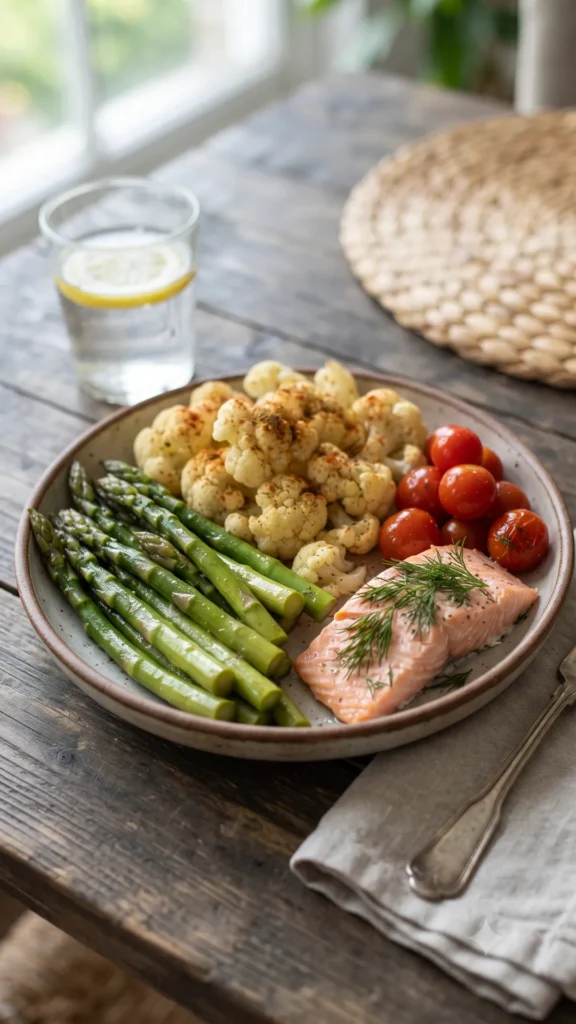
Half plate: non-starchy vegetables
Quarter plate: lean protein
Quarter plate: fiber-rich carbs (whole grains or legumes)
Start meals with broth soup or salad to activate fullness. Use yogurt- or vinegar-based dressings to keep calories low. Meal prepping multiple components at once simplifies daily cooking and keeps you on track.
Common Mistakes to Avoid
Choosing low-calorie but low-volume, fiber, and protein foods leads to hunger and frustration.
Cooking methods adding hidden calories (roasting vegetables in lots of oil).
Consuming liquid calories (smoothies, juices) that don’t fill you up.
Skipping protein, which weakens fullness signals and causes faster hunger return.
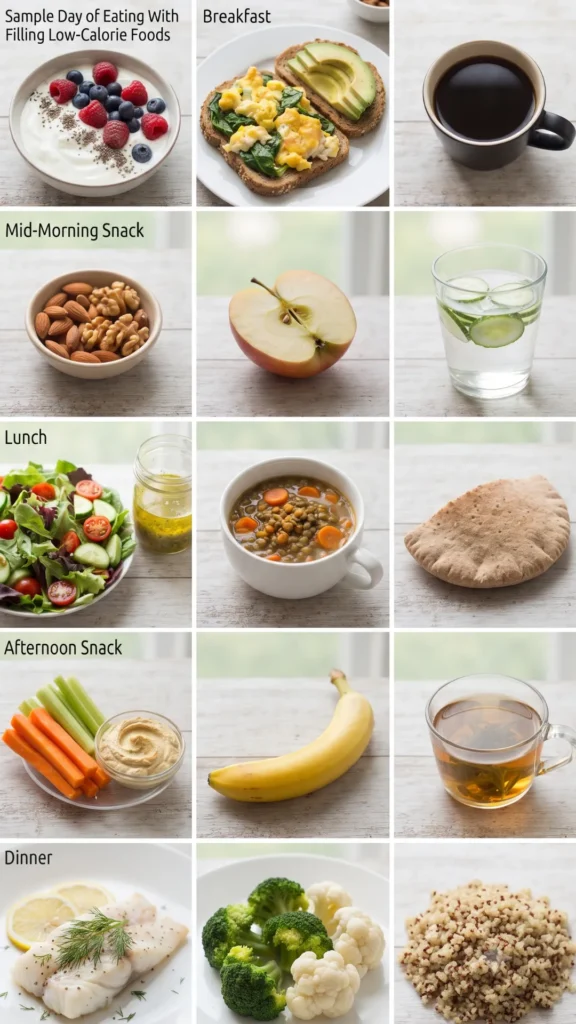
Sample Day of Eating Filling Low-Calorie Foods
Breakfast: Four egg whites scrambled with spinach, mushrooms, and bell pepper in vegetable broth; 50g oats with mixed berries; black coffee or green tea (~320-360 calories).
Snack: 150g non-fat Greek yogurt with raspberries (~130-150 calories).
Lunch: Large salad with romaine, spinach, cucumber, tomatoes, cabbage, celery, 120g canned tuna, lemon juice, and 1 teaspoon olive oil; clear vegetable broth soup (~300-350 calories).
Snack: Raw veggies with 2 tbsp hummus (~100-120 calories).
Dinner: Large bowl of red lentil soup with veggies; roasted broccoli and cauliflower (~350-400 calories).
Evening: Watermelon or air-popped popcorn (~80-115 calories).
Total: ~1,300 to 1,500 calories with multiple satisfying meals and snacks.
Final Tips for Staying Full and on Track
Start meals with soup or salad to reduce calories without feeling less satisfied.
Eat slowly and mindfully; fullness signals take 15-20 minutes to register.
Stay hydrated; sometimes thirst mimics hunger.
Keep healthy snacks prepped and ready.
Prioritize quality sleep (7-9 hours) to regulate hunger hormones effectively.
Your Journey to Fullness and Weight Loss Starts Now
Eating less doesn’t mean feeling less. By selecting the right low-calorie, filling foods, every meal can be both satisfying and supportive of your weight loss goals. Use this guide and list of 50 foods to build meals you enjoy and stick with. For more meal plans and volume eating ideas, visit Volumeat.com and transform your eating habits for the better.
Disclaimer This article is for informational purposes only and is not medical or nutritional advice. Always consult a healthcare professional before making significant changes to your diet, especially if you have existing health conditions
Table of content
Why Low-Calorie Foods Are a Weight Loss Game-Changer What Makes a Food Truly Filling? High-Volume Vegetables That Satisfy Hunger Water-Rich Fruits That Add Fullness Without the Guilt Protein-Rich Foods That Keep You Full Longer Fiber-Rich Foods for Extended Fullness Low-Calorie Legumes and Beans Filling Whole Grains That Support Weight Loss Low-Calorie Soups and Broths to Start Your Meal Healthy Low-Calorie Snacks That Curb Cravings Top 50 Low-Calorie Foods to Keep You Full (Calories per 100g) How to Build a Filling Low-Calorie Meal Common Mistakes to Avoid Sample Day of Eating Filling Low-Calorie Foods Final Tips for Staying Full and on Track Your Journey to Fullness and Weight Loss Starts Now