
Starting a new eating plan can be confusing when results don’t immediately show on the scale. Volume eating, which focuses on eating larger portions of low-calorie, nutrient-dense foods, might not cause instant weight changes but offers many positive signals your body is benefiting. Here are 10 key signs that volume eating is working—even if the scale hasn’t caught up yet. Learn about 10 Clear Signs Volume Eating Is Working for You

What Does It Mean When Volume Eating Works?
Volume eating works by filling your stomach with fiber-rich vegetables, stabilizing blood sugar with fewer refined carbs, and triggering fullness hormones through adequate protein. This combination leads to:
- Increased physical fullness
- Longer-lasting satiety
- More stable energy levels
- Reduced cravings
- A more satisfying, abundant eating experience
The scale often lags behind these changes, so paying attention to your body’s signals is essential.

1. Feeling Fuller After Every Meal
If you finish meals feeling comfortably full—not hungry or still searching for food—that’s a strong sign volume eating is effective. This fullness comes from:
- Large portions of water-rich, fiber-dense vegetables activating stomach stretch receptors
- Sufficient lean protein (25–35 grams per meal) triggering fullness hormones like peptide YY and cholecystokinin
If hunger persists, increasing vegetable volume or protein intake can help.

2. Comfortable Gaps Between Meals Without Snacking Urgently
Volume eating helps you feel moderately hungry at meal times rather than desperate. If you can delay your next meal by 30–45 minutes without distress, your body’s satiety signals are working well.
Many people notice reduced mid-afternoon hunger and fewer urgent cravings within the first week.
3. Portion Control Becomes Easier Naturally
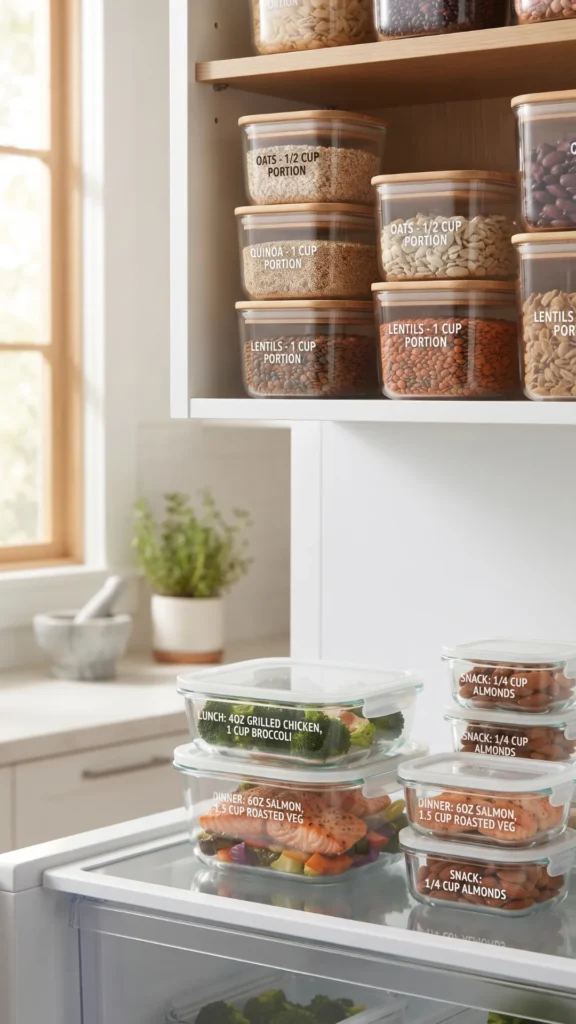
Surprisingly, eating more volume can make it easier to stop eating at the right time. Hormonal signals normalize with consistent volume eating, reducing urges to overeat or take seconds. This sign usually appears after 2-3 weeks and means your body’s hunger cues are balancing out.

4. Eating More Fruits and Vegetables Than Ever Before
A measurable indication of success is a significant increase in daily plant food intake. Moving from a couple of servings to 4–6 generous portions daily boosts micronutrients, fiber, hydration, and gut health—key factors in overall well-being and appetite regulation.

5. Fewer Cravings and Urgent Food Urges
Stabilizing blood sugar with fiber and protein-rich meals reduces sharp cravings for sugar or salty snacks. Many find their mid-afternoon cravings diminish within the first week, making it easier to stay on track without relying on willpower alone.

6. Meals Feel More Satisfying Than Before
Despite lower calorie density, meals feel more filling and enjoyable because they are nutritionally complete and visually abundant. This psychological satisfaction supports better appetite control and reduces overeating.

7. The Scale Gradually Moves in the Right Direction
Typically, after 2-3 weeks of consistent volume eating, gradual weight loss begins at a healthy pace of 1-2 pounds per week. This steady fat loss preserves muscle and metabolic health, avoiding rapid, unsustainable drops.

8. Following the Eating Pattern Feels Sustainable, Not Like a Diet
Volume eating doesn’t feel like deprivation. Meals are satisfying, snacks are adequate, and favorite foods aren’t off-limits, making this approach maintainable long-term—unlike many restrictive diets that lead to burnout.

9. Healthy Eating Habits Become Automatic
Over 4-8 weeks, volume eating transforms from a conscious effort into a natural habit. Filling half your plate with vegetables and including protein at every meal becomes second nature, requiring less willpower and making weight loss more permanent.

10. You Notice Positive Changes Before the Scale Does
If you recognize several of these signs—improved fullness, fewer cravings, easier portion control—trust that your body is responding well. The scale will catch up as your habits solidify.
Final Thoughts
Volume eating offers sustainable weight management by focusing on fullness, nutrition, and satisfaction rather than calorie counting or restriction. Watch for these signs to stay motivated and confident that your new eating style is truly working.
For more guidance, meal plans, and food lists to support volume eating, visit Volueat.com.

You might like this: https://volueat.com/wp-admin/post.php?post=1134&action=edit
Disclaimer
This article is for informational purposes only and is not medical or nutritional advice. Always consult a healthcare professional before making significant changes to your diet, especially if you have existing health conditions
Table of Contents
10 clear signs volume is working for you
What Does It Mean When Volume Eating Works?
Feeling Fuller After Every Meal
Comfortable Gaps Between Meals Without Snacking Urgently
Portion Control Becomes Easier Naturally
Eating More Fruits and Vegetables Than Ever Before
Fewer Cravings and Urgent Food Urges
Meals Feel More Satisfying Than Before
The Scale Gradually Moves in the Right Direction
Following the Eating Pattern Feels Sustainable, Not Like a Diet
Healthy Eating Habits Become Automatic
You Notice Positive Changes Before the Scale Does
Final Thoughts

