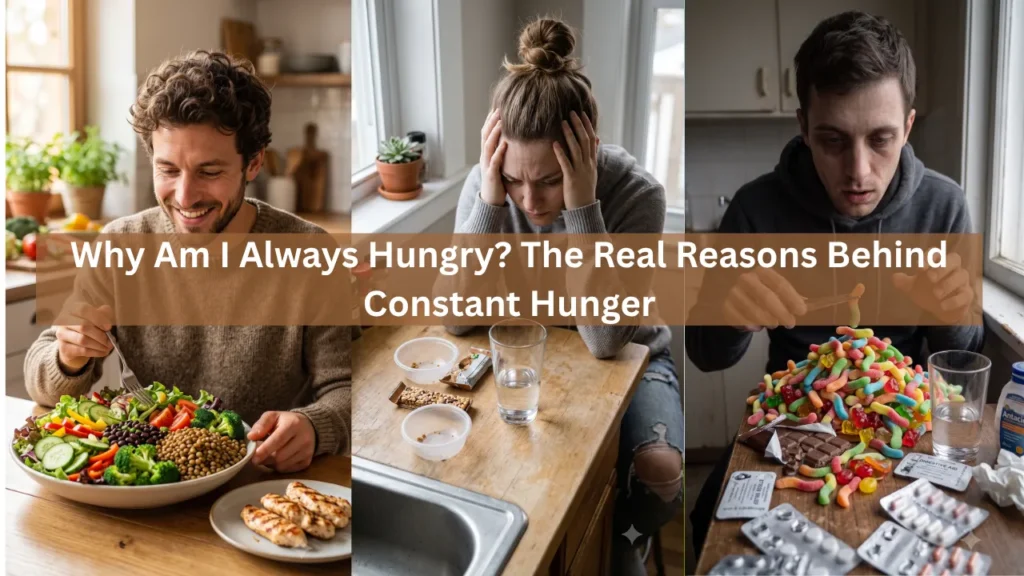

If you find yourself raiding the fridge an hour after a full meal, you are not alone, and you are probably not imagining it either. Feeling always hungry is one of the most common and frustrating experiences people have, especially when they are trying to eat well or lose weight. The good news is that constant hunger almost always has a reason behind it. And once you know the reason, fixing it becomes a lot more straightforward.
This article walks through the most common causes of always feeling hungry, what your body is actually trying to tell you, and the practical changes that can help you stay full, satisfied, and in control of your appetite without white-knuckling it through the day.
What Constant Hunger Is Really Telling You

Hunger is not just an annoyance. It is a communication system. Your body uses hunger signals to tell you it needs energy, nutrients, water, or sometimes just a break from stress. The problem is that modern life throws a lot of noise into that system, and it becomes hard to tell what your body actually needs versus what it has been conditioned to want.
Constant hunger, the kind where you feel hungry shortly after eating or where you never quite reach a point of genuine fullness, is usually a sign that something in that communication system is off. It could be what you are eating, how much you are sleeping, how stressed you are, or something going on physiologically that is worth paying attention to.
Understanding the difference between true physical hunger and other triggers is the first step. Once you can read your hunger cues more clearly, everything else becomes easier to manage.
Are You Actually Hungry or Just Craving Food?

This is one of the most useful questions you can learn to ask yourself. Physical hunger and emotional hunger feel surprisingly similar on the surface, but they are very different things.
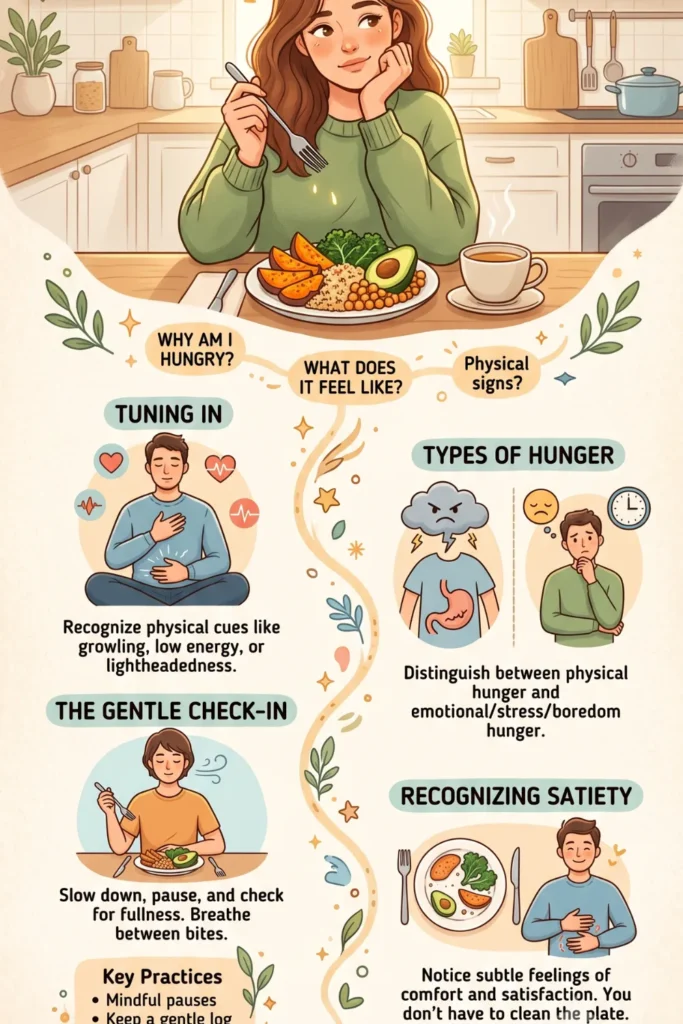
Physical hunger builds gradually. It usually comes with physical signals: a growling stomach, low energy, mild light-headedness, or difficulty concentrating. It does not tend to fixate on one specific food. Almost anything sounds appealing when you are genuinely hungry.
Emotional hunger often strikes suddenly and with urgency. It tends to focus on specific foods, typically something sweet, salty, or crunchy. Unlike true physical hunger, it usually arises from emotions like boredom, stress, anxiety, or sadness. Emotional hunger doesn’t subside after eating; it often intensifies. Developing the habit of pausing before eating to assess which type of hunger you are experiencing can transform your relationship with food. It doesn’t mean ignoring cravings but responding to them thoughtfully. If it’s physical hunger, eat. If it’s emotional, try to understand what you really need.
You might like: What Is Volume Eating? A Beginner’s Guide:
Not Getting Enough Protein Is a Bigger Issue Than You Think

If you find yourself hungry a couple of hours after meals, consider your protein intake first. Protein is the most filling macronutrient. It digests slower than carbohydrates, triggers fullness hormones, and helps maintain stable blood sugar levels, all contributing to longer-lasting satiety.
Meals high in refined carbohydrates like white bread, pasta, rice, or cereal digest quickly, leaving you hungry soon after. Adding a solid protein source can completely change this experience.
Good high-protein, low-calorie options include egg whites, Greek yogurt, cottage cheese, white fish, chicken breast, shrimp, and legumes. You don’t need large amounts; even adding one protein source per meal can help you feel full longer.
Starting with a high-protein breakfast such as eggs with vegetables, Greek yogurt with fruit, or cottage cheese with oats can set you up for better appetite control throughout the day.
Fiber: The Underrated Hunger Fighter

Alongside protein, dietary fiber is a powerful appetite controller. Fiber slows digestion, adds bulk to meals, and nourishes beneficial gut bacteria, which produce compounds signaling fullness to your brain.
Most people consume much less fiber than recommended, about 15 grams daily on average compared to the advised 25 to 38 grams. This gap contributes significantly to frequent hunger.
Fiber-rich vegetables that naturally reduce hunger include broccoli, cauliflower, spinach, Brussels sprouts, carrots, and sweet potatoes. Legumes like lentils, chickpeas, and black beans are also excellent sources. Whole grains such as oats, barley, and brown rice provide more fiber than refined grains and help keep you full longer.
A simple guideline: include at least one high-fiber food with every meal. Over time, this habit can greatly improve appetite management.
Dehydration Can Mimic Hunger

Thirst and hunger signals are managed by the same brain region, the hypothalamus, and can sometimes be confused. Mild dehydration is often mistaken for hunger, leading you to eat when a glass of water would suffice.
Research indicates drinking a large glass of water before meals can reduce calorie intake by increasing stomach volume, activating stretch receptors, and dulling appetite all without adding calories.
Try drinking a full glass of water before reaching for a snack, then wait ten minutes. If hunger fades, you were likely thirsty. If not, eat something, but you may notice the craving is less intense.
Aim to drink at least two liters of water daily. Herbal teas, broths, and water-rich foods like cucumber, watermelon, and celery also contribute to hydration.
Poor Sleep Disrupts Hunger Hormones
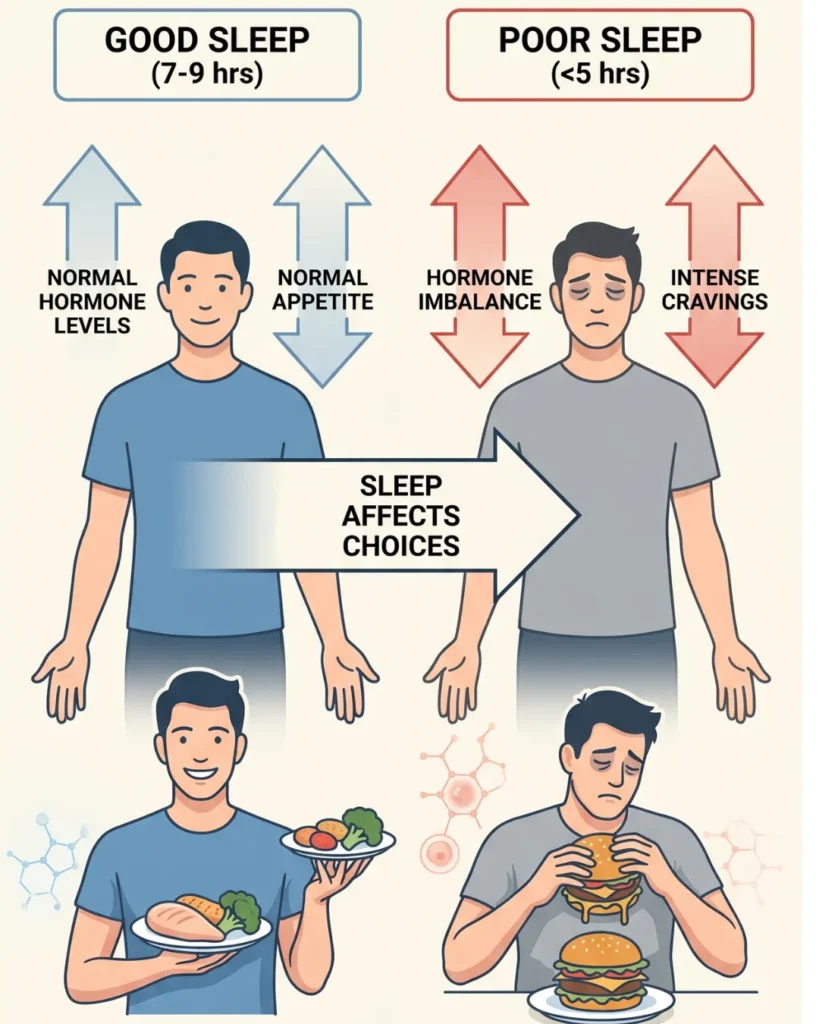
Lack of sleep is a major but often overlooked cause of constant hunger. Insufficient sleep alters two critical appetite hormones: ghrelin, which increases hunger, and leptin, which signals fullness, decreases. This imbalance makes you feel hungrier the next day, even if you’ve eaten enough.
Studies show sleep-deprived individuals consume 300 to 500 extra calories daily on average, adding up significantly over time.
Poor sleep also heightens cravings for high-calorie, sugary foods, as the brain seeks quick energy when tired, making processed snacks and sugary drinks harder to resist.
Getting 7 to 9 hours of quality sleep nightly supports energy, mood, hunger control, and weight management. If sleep quality is poor, consider improving sleep habits or consulting a healthcare professional.
Stress and Emotional Eating Are More Physical Than You Think

Stress affects more than just your mood; it triggers hormonal changes that increase appetite. When stressed, your body releases cortisol, a hormone that drives hunger and cravings for high-calorie comfort foods. This response is biological, not a lack of willpower. Your body perceives stress as a threat and prepares for energy use, even if the stress comes from work or emotional challenges rather than physical danger.
Emotional hunger is often the most persistent and hardest to curb with food alone. Eating may temporarily ease emotional discomfort, reinforcing the cycle, but the stress remains, and hunger soon returns. Developing alternative coping strategies such as walking, breathing exercises, journaling, talking to someone, or stepping outside can help break this cycle without adding calories. The goal is to build enough non-food responses so that eating isn’t your only option.
Ultra-Processed Foods Are Designed to Keep You Hungry

Many ultra-processed foods are engineered to override your body’s natural fullness signals. The mix of refined carbs, fats, salt, and sugar in snacks, fast food, and processed meals creates a sensory experience that encourages overeating even after caloric needs are met.
These foods digest quickly, cause blood sugar spikes and crashes, and lack fiber and protein, all of which are essential for lasting fullness. As a result, real hunger returns quickly, often accompanied by cravings for more processed foods.
Swapping ultra-processed snacks for whole foods like fruits, vegetables with hummus, Greek yogurt, or boiled eggs can significantly reduce hunger throughout the day. While adjusting your palate might feel uncomfortable at first, cravings for processed foods usually diminish once you decrease their intake.
Medical Reasons Behind Constant Hunger

Sometimes, persistent hunger signals an underlying medical issue rather than diet or lifestyle. It’s important to be aware of common conditions, especially if hunger continues despite dietary changes.
Insulin resistance and type 2 diabetes cause cells to inefficiently absorb glucose, leaving the body feeling energy-deprived and hungry. Hyperthyroidism accelerates metabolism, raising caloric needs and hunger. Some medications, including certain antidepressants, antihistamines, and corticosteroids, list increased appetite as a side effect.
Premenstrual hormonal shifts also cause real increases in hunger before menstruation, a normal physiological response rather than a lack of willpower.
If hunger appears suddenly, comes with other symptoms, or doesn’t improve with diet adjustments, consult a healthcare provider. A simple blood test can detect most common medical causes.
How Volume Eating Helps You Stay Full Without Overeating

Volume eating focuses on filling your stomach with low-calorie foods to promote fullness. By prioritizing high-volume, low-calorie items like non-starchy vegetables, broth-based soups, fruits, and lean proteins, you activate stomach stretch receptors and fullness signals without excess calories.
This approach lets you eat satisfying portions and remain full for longer all while maintaining a calorie deficit. It’s especially effective for those who struggle with traditional calorie restrictions due to persistent hunger.
A typical volume eating plate might be half non-starchy veggies, a quarter lean protein, and a quarter fiber-rich carbohydrates like oats, brown rice, or legumes. This combination satisfies fullness through physical volume, fiber, and protein.
Starting meals with a large salad or broth soup adds volume before higher-calorie foods, naturally reducing overall intake.
Best Foods to Keep Hunger at Bay
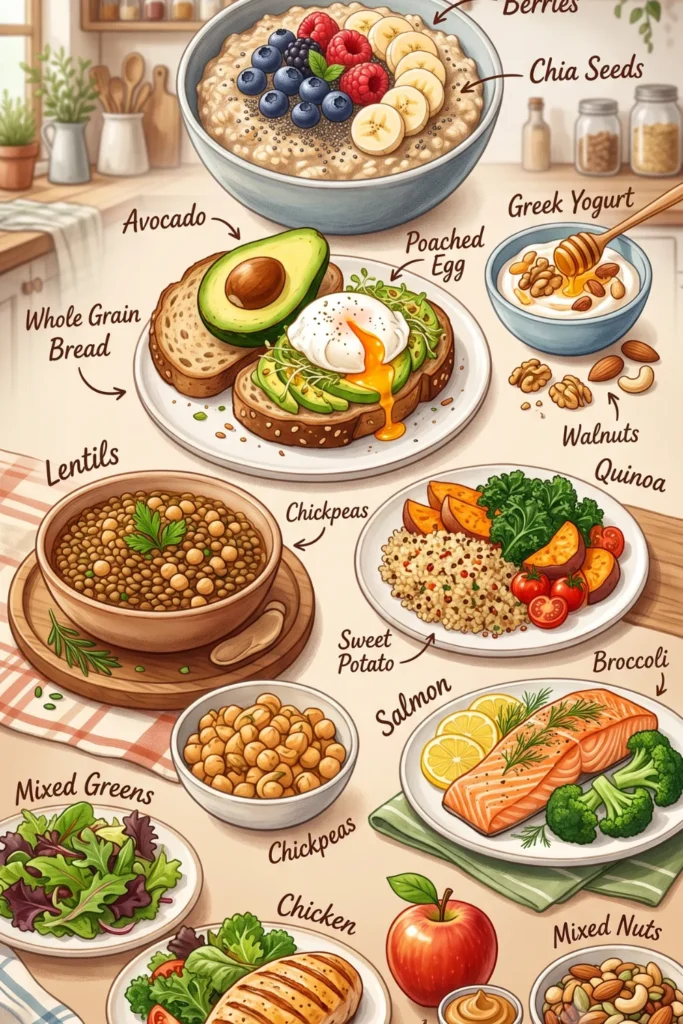
Certain foods consistently keep you full and control appetite effectively:
- Non-starchy vegetables: Spinach, cucumber, zucchini, broccoli, cauliflower, celery, and mushrooms are low in calories but high in fiber, water, and bulk, allowing you to eat large quantities without many calories.
- Lean proteins: Egg whites, white fish, chicken breast, Greek yogurt, and cottage cheese digest slowly, stabilize blood sugar, and support muscle maintenance during weight loss.
- Legumes: Lentils, chickpeas, black beans, and kidney beans combine protein and fiber, making them highly satiating relative to their calories. Lentil soup is especially filling.
- Oats: Oats contain beta-glucan fiber, which slows glucose absorption and suppresses hunger for hours. Oat-based breakfasts excel at controlling appetite through the morning.
When to Consult a Healthcare Professional
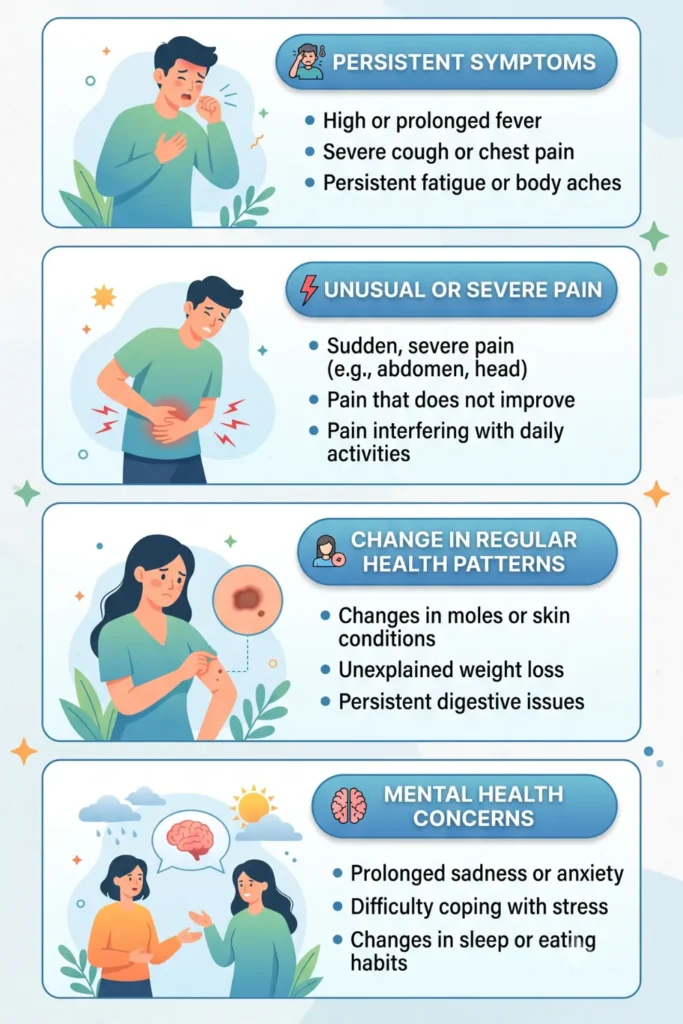
Most hunger issues respond well to lifestyle and diet changes. However, consult a doctor if your hunger is uncontrollable despite balanced eating or if you experience unexplained weight changes, excessive thirst, fatigue, or mood swings. These might indicate diabetes, thyroid problems, or hormonal imbalances requiring diagnosis and treatment.
If you have a complicated relationship with food or a history of disordered eating, a registered dietitian can provide more personalized and effective guidance than general articles.
Your Hunger Has Answers—Here’s How to Start
Persistent hunger almost always has a cause and practical solutions. Begin with the basics: more protein, fiber, water, and better sleep. These four changes often show results within weeks.
Then, explore volume eating to enjoy larger portions while managing weight sustainably. Once you adopt this method, feeling full and eating well no longer feel contradictory.
If this article helped clarify your body’s signals, save it for easy access when you need a reminder. When ready, explore meal ideas and food guides at Volueat.com for further support.
Disclaimer
This article is for informational purposes only and is not medical or nutritional advice. Always consult a healthcare professional before making significant changes to your diet, especially if you have existing health conditions
Full Table of Contents
- What Constant Hunger Is Really Telling You
- Are You Actually Hungry or Just Craving Food?
- Not Eating Enough Protein Is a Bigger Deal Than You Think
- Fiber: The Underrated Hunger Fighter
- Dehydration Can Mimic Hunger
- Poor Sleep Does Real Damage to Your Hunger Hormones
- Stress and Emotional Eating Are More Physical Than You Think
- Ultra-Processed Foods Are Designed To Keep You Hungry
- Medical Reasons Behind Constant Hunger
- How Volume Eating Help You Stay Full Without Overeating
- Best Foods To Keep Hunger at Bay
- When To Consult a Healthcare Professional
- Your Hunger Has an Answer—Here’s How to Start
Go ahead and save your favorite.