Introduction: Rethinking Weight Loss with Volume Eating
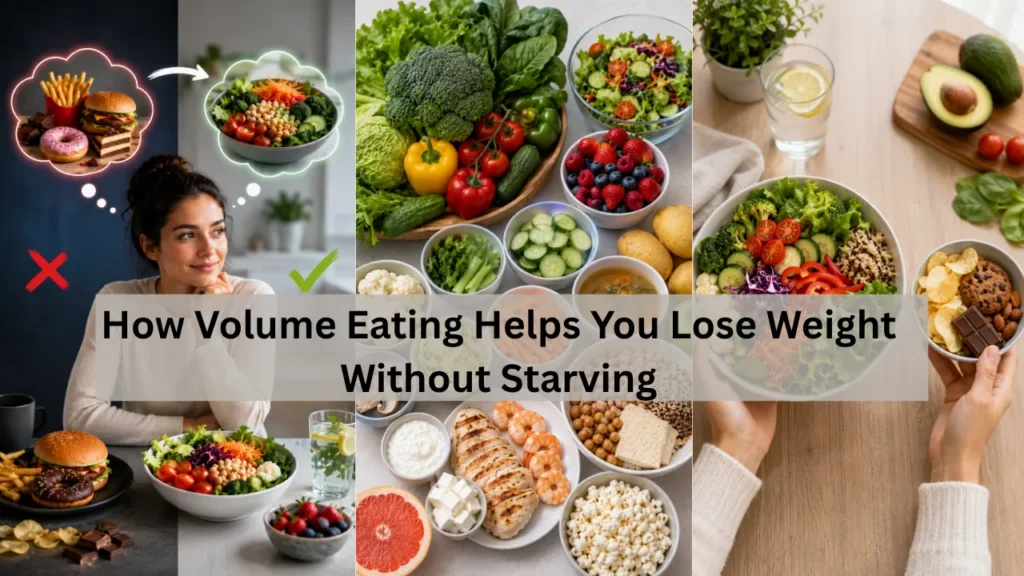
Imagine losing weight by eating more, not less. This idea might sound surprising, but it forms the core of volume eating—a scientifically supported method focused on increasing the amount of food you eat while controlling calories. Instead of reducing portions and enduring hunger, volume eating encourages filling your plate with foods that bulk up your meals, satisfy your appetite, and keep cravings at bay, all without exceeding your calorie goals.
This approach is not a fad or quick fix; it’s a sustainable, evidence-based method that thousands have used to shed pounds without feeling deprived. If you’ve ever abandoned a diet due to relentless hunger, this guide is crafted for you.
What is Volume Eating? Understanding Calorie Density
Volume eating centers on the concept of calorie density—the number of calories present in each gram of food. Foods with low calorie density let you eat larger portions for the same calorie amount. By focusing meals on these foods, you can consume satisfying quantities yet maintain the calorie deficit necessary for weight loss.
This idea traces back to the Volumetrics diet, pioneered by Dr. Barbara Rolls from Penn State University. Her research revealed that people tend to eat a consistent weight of food daily, regardless of its calorie content. When your meals are heavier and bulkier but lower in calories, you naturally eat less energy overall without consciously restricting yourself.
You might like: What Is Volume Eating? A Beginner’s Guidehttps://volueat.com/what-is-volume-eating-how-it-works-benefits-complete-beginners-guide/
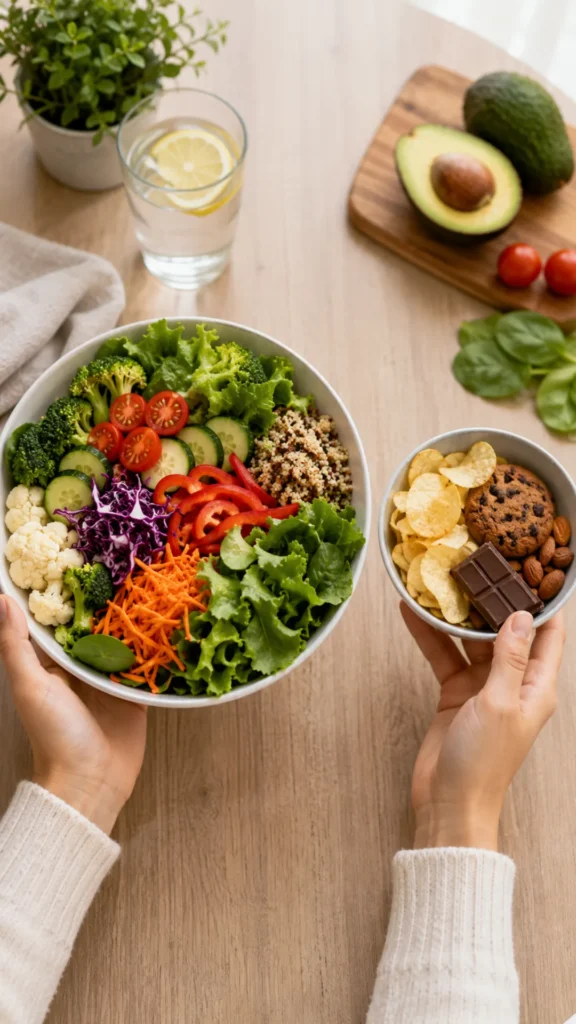
Think of it as choosing a large bowl of cucumbers over a small serving of potato chips—the calories might be equal, but the cucumbers fill your stomach, helping you feel fuller longer.
Why Traditional Diets Often Fail: The Hunger Factor
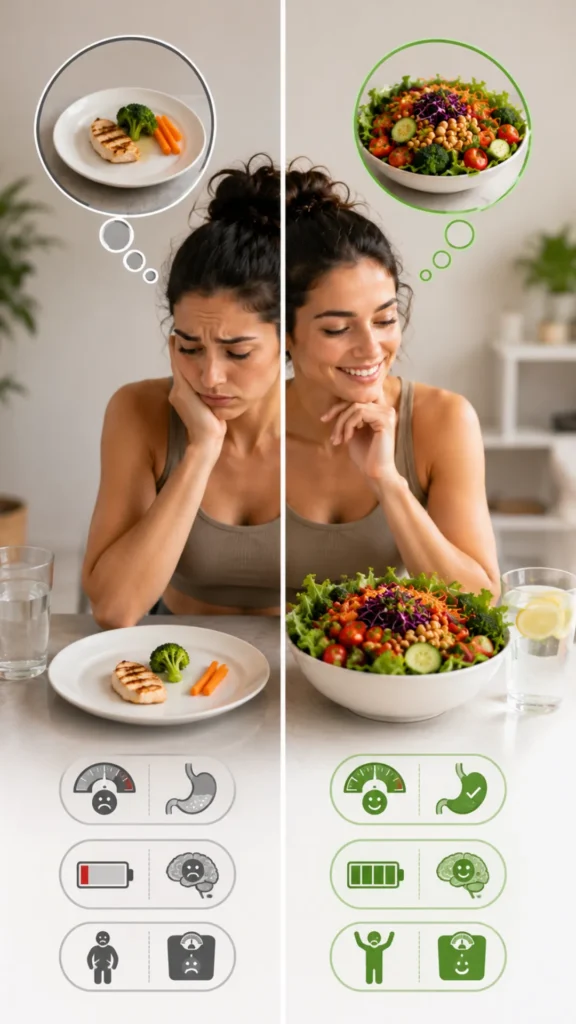
Most diets fail not because of weak willpower but due to hunger. Cutting calories drastically without considering food volume results in tiny portions that leave your stomach empty. This prevents your body’s fullness sensors from activating fully, leading to persistent hunger signals that are tough to ignore.
Moreover, calorie restriction alters hunger hormones: ghrelin (which stimulates appetite) rises, while leptin (which signals fullness) drops. This hormonal shift makes sustained dieting feel increasingly difficult and is a normal biological response—not a personal shortcoming.
Extremely low-calorie diets also often lack fiber, protein, and water-rich foods, causing faster digestion, blood sugar instability, and quicker return of hunger. Volume eating offers a solution by restructuring your meals to keep your stomach full even when calories are controlled.
How Volume Eating Works: The Science Behind Fullness
Volume eating relies on two main factors—water content and fiber. Both add bulk to food without adding significant calories.
- Water: Vegetables like spinach, zucchini, and cucumber are over 90% water. They weigh a lot on your plate and in your stomach but contribute very few calories.
- Fiber: Found in oats, legumes, and vegetables, fiber slows stomach emptying and stabilizes blood sugar, helping you stay full longer and avoid energy crashes that trigger cravings.
Together, these create meals that look generous, satisfy your hunger physically, and keep you feeling full for hours—key to sustained calorie control.

Key Satiety Signals and Their Role in Weight Management
Feeling full is a combination of physical stomach signals and hormonal cues:
- Stretch receptors in the stomach wall send fullness signals when the stomach expands.
- Hormones like cholecystokinin (CCK) and peptide YY respond to protein and fat intake, promoting satiety.
- Leptin, produced by fat cells, regulates long-term appetite suppression.
- Ghrelin, produced in the stomach, stimulates hunger and decreases after meals.
Protein plays a crucial role by triggering these hormones effectively. That’s why volume eating pairs high-volume vegetables with lean protein sources to maximize fullness and prolong satisfaction.
Choosing the Right Foods: High-Volume, Low-Calorie Essentials
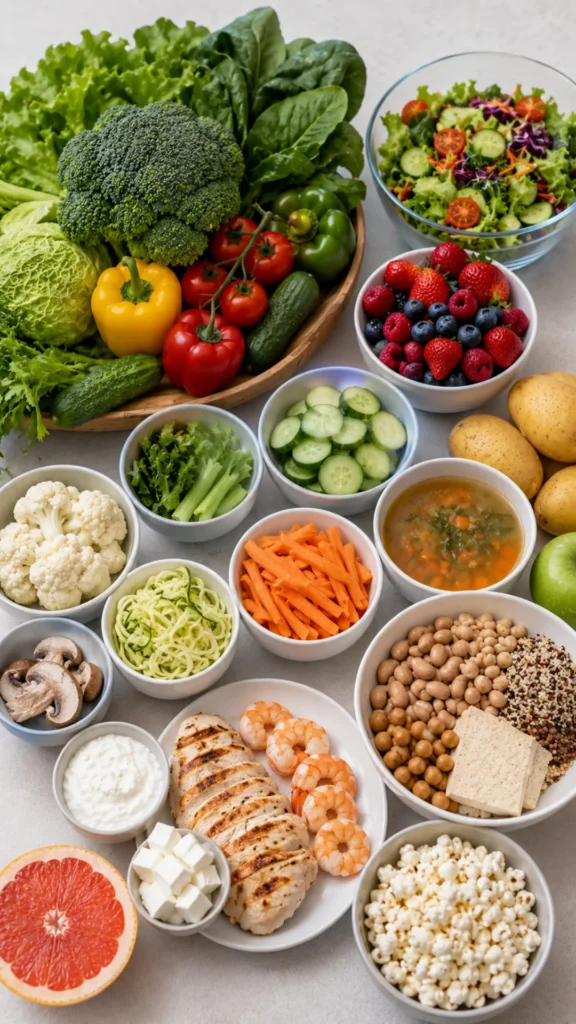
Not all low-calorie foods provide volume. For example, rice cakes are low in calories but don’t fill you up. True volume eating focuses on low-calorie density, high-volume foods such as
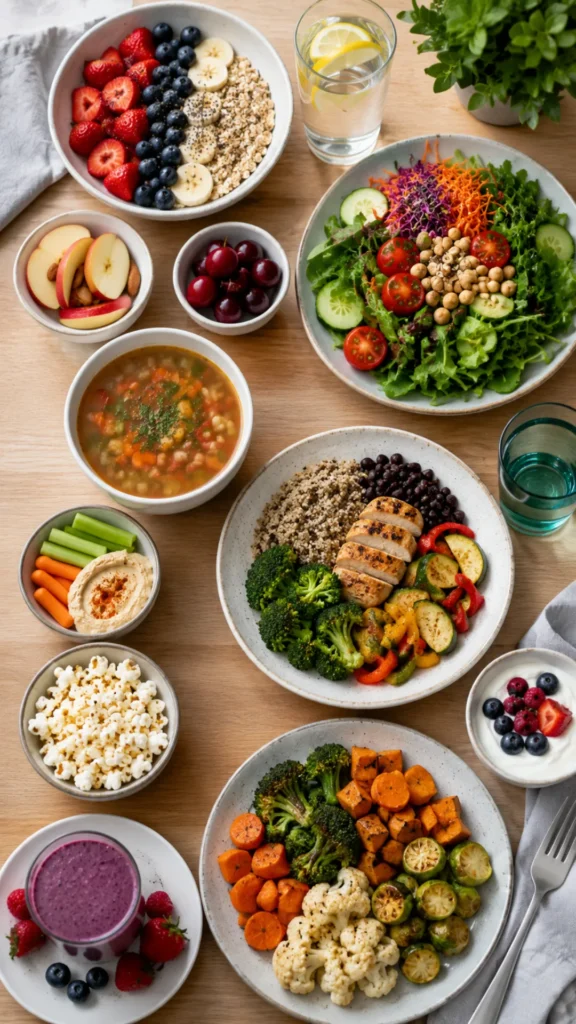
- Non-starchy vegetables: cucumber, spinach, broccoli, bell peppers (under 35 calories per 100 grams)
- Fruits: watermelon, berries, grapefruit, cantaloupe (high water content)
- Lean proteins: chicken breast, egg whites, white fish, non-fat Greek yogurt
- Broth-based soups: low calorie and filling, perfect for starting meals
- Whole grains: oats, barley, quinoa (higher in calories but rich in fiber for fullness)
High-calorie foods like nuts and oils are used sparingly since they provide little volume but add calories quickly.
Benefits of Volume Eating Beyond Weight Loss
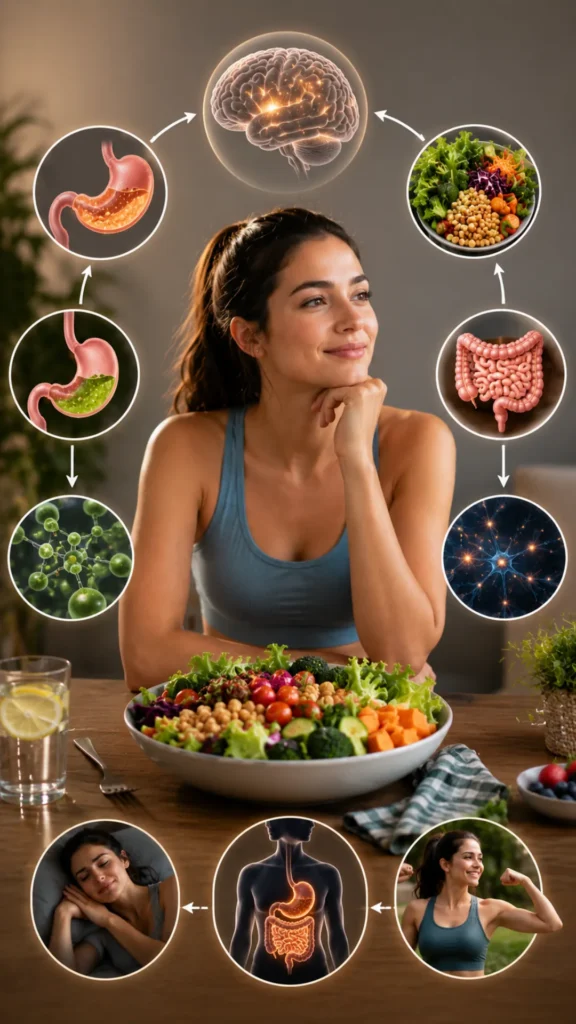
Volume eating offers more than just hunger control:
- Sustainable calorie deficit without feeling deprived
- Improved diet quality with more nutrients, fiber, and protein
- Supports energy levels, sleep, and mood
- Enhances gut health by feeding beneficial bacteria through fiber
- Fits various diets—vegan, vegetarian, flexitarian, or omnivore
How Volume Eating Helps Control Cravings
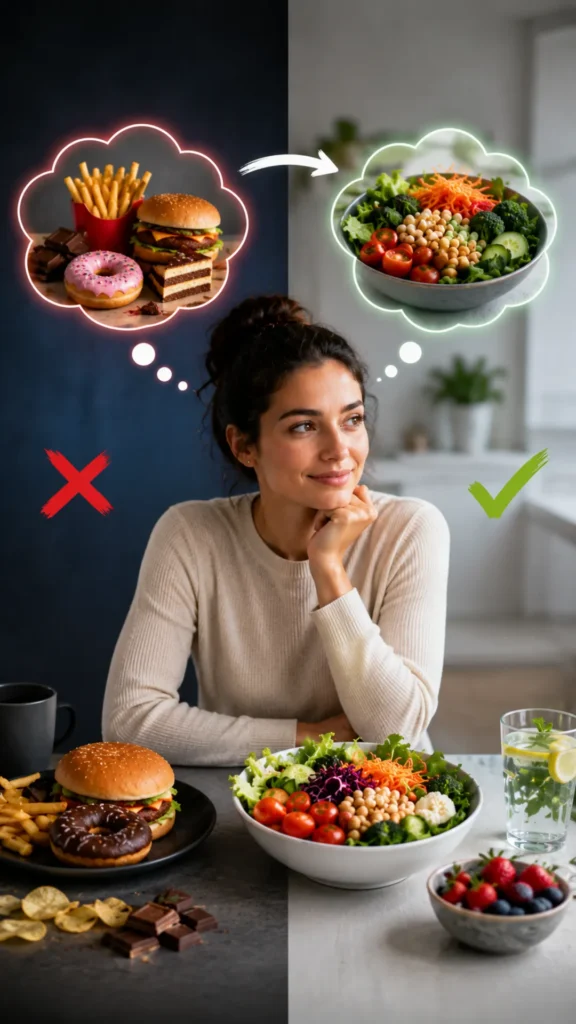
Cravings often stem from blood sugar fluctuations and stress hormone (cortisol) spikes caused by restrictive dieting. Volume eating stabilizes blood sugar through fiber and protein, reducing these spikes and the urgent cravings they trigger.
Additionally, consuming satisfying food volumes lowers cortisol levels, decreasing stress-driven cravings for sugary or fatty comfort foods. While cravings may not vanish completely, they tend to become less frequent and easier to manage within a few weeks.
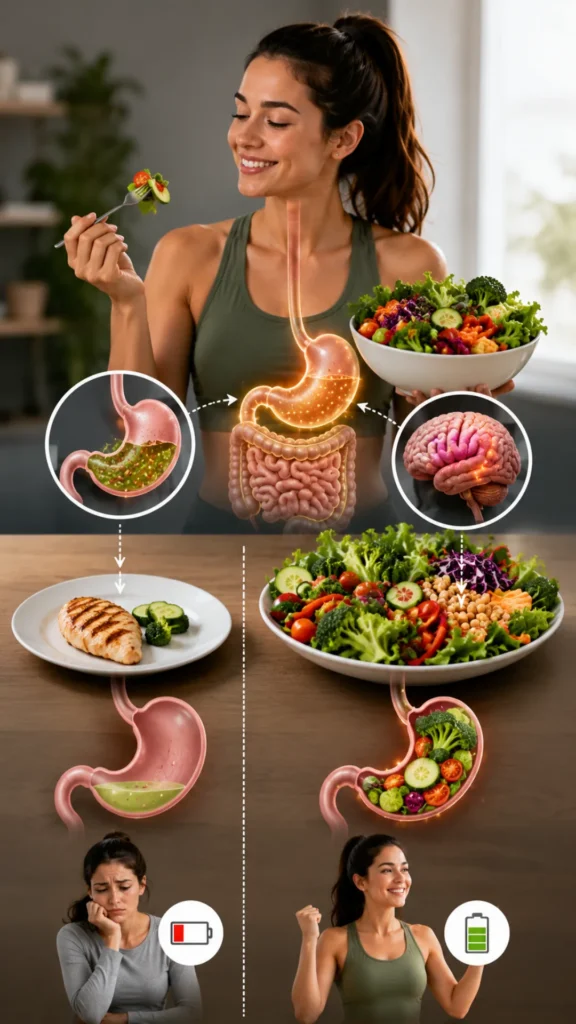
Volume Eating vs. Conventional Dieting: Key Differences
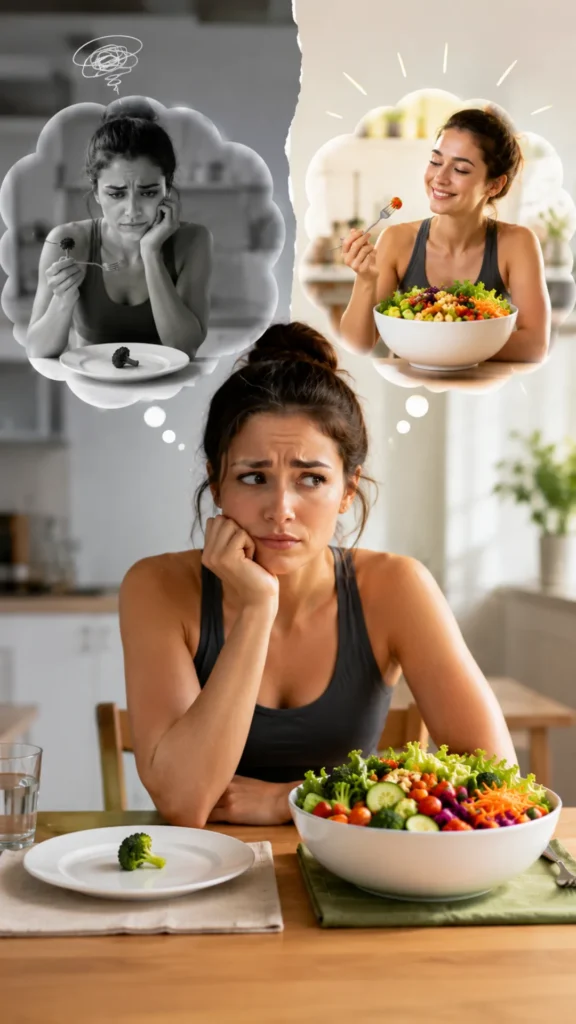
Traditional diets emphasize eating less and cutting calories strictly, often leading to hunger, deprivation, and eventual rebound weight gain.
In contrast, volume eating focuses on food quality and composition over pure quantity restriction. The calorie deficit emerges naturally from eating more low-calorie, high-volume foods rather than smaller portions of calorie-dense foods.
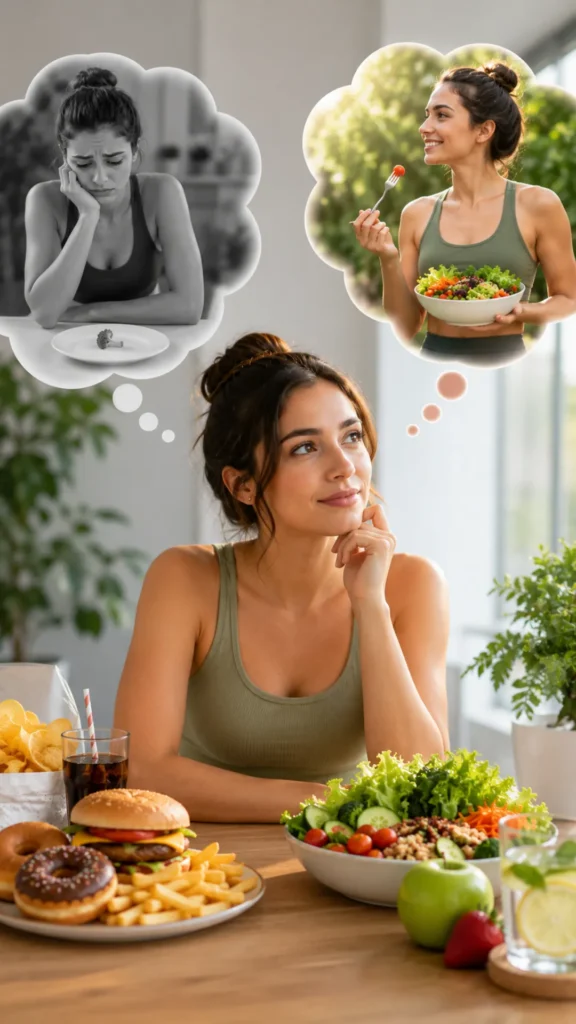
This approach fosters a healthier mindset, avoids scarcity thinking, and promotes sustainable habits without feeling like a punishment.
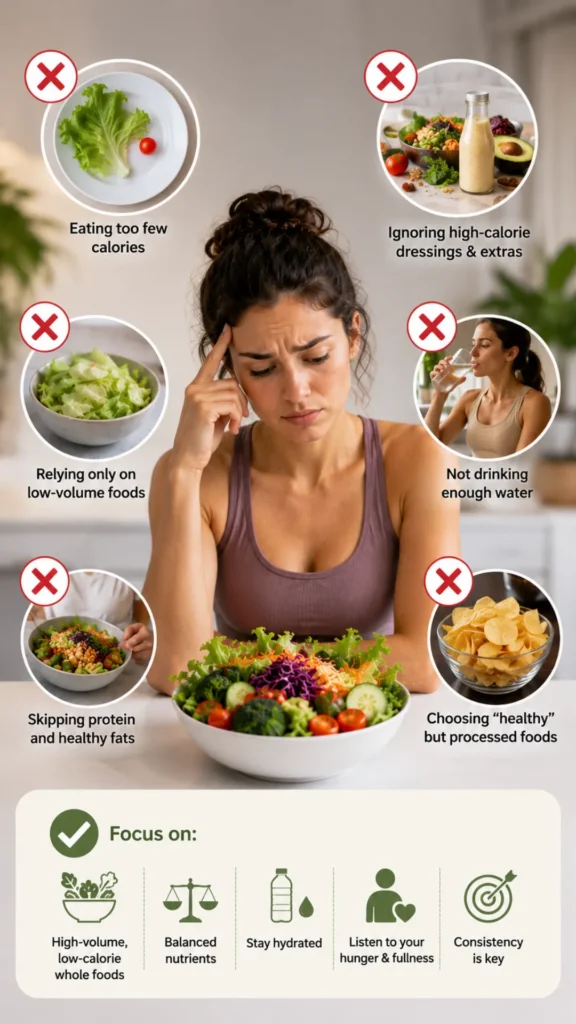
Common Mistakes to Avoid in Volume Eating
To succeed with volume eating, avoid these pitfalls:
- Eating low calories but not enough volume—always fill half your plate with non-starchy vegetables.
- Skipping protein, which is essential for lasting fullness.
- Using excessive oil or dressings that add calories without volume.
- Consuming liquid calories (smoothies, juices, alcohol) that don’t fill the stomach like solid food.
- Expecting immediate results—volume eating is a gradual, long-term strategy.
A Sample Day of Volume-Eating Meals
Here’s an example of a volume eating day around 1,400–1,600 calories:
- Breakfast: Scrambled egg whites with spinach, mushrooms, and bell peppers cooked in vegetable broth; 50g rolled oats with strawberries; black coffee or green tea.
- Lunch: Large salad with romaine, spinach, cucumber, cherry tomatoes, cabbage, and celery; 120g grilled chicken breast; lemon and nonfat yogurt dressing; and vegetable broth soup.
- Snack: 150g non-fat Greek yogurt with mixed berries or cucumber and bell pepper slices with hummus.
- Dinner: Baked cod or tilapia; roasted broccoli, zucchini, and cauliflower; cauliflower rice; small bowl of miso soup.
- Evening Snack: Watermelon or raspberries.
This day offers satisfying portions and variety while supporting weight loss
How to Begin Volume Eating Without Overwhelm
Start small:
- Fill half your plate with non-starchy vegetables at one meal.
- Add broth-based soup or a salad before your main meal a few times a week.
- Swap one processed snack for fruit or veggie snacks.
- Meal prep vegetables and broth to make healthy choices easy.
Track calories briefly to understand your current intake and uncover hidden calorie sources
Frequently Asked Questions About Volume Eating
- Can you lose weight without counting calories? Yes, fullness often naturally reduces calorie intake. Tracking helps if progress stalls.
- Is volume eating suitable for vegetarians/vegans? Absolutely, with protein from legumes, tofu, and tempeh.
- How soon do results appear? Hunger and energy improvements in 1–2 weeks; scale changes in 3–4 weeks.
- Do you have to avoid all high-calorie foods? No, just use them in moderation.
Can volume eating work with intermittent fasting? Yes, it maximizes satisfaction during eating windows
Conclusion: Your First Step Toward Better Eating Habits
Losing weight doesn’t require hunger or drastic restriction. Volume eating lets you enjoy larger, satisfying meals that support steady weight loss and improve your relationship with food.
Start with your next meal: half your plate with vegetables, add lean protein, and begin with a bowl of broth. These simple habits can transform how you approach eating and weight management—making healthy living enjoyable and sustainable. For more meal ideas and guidance, explore resources like Volueat.com to make volume eating part of your everyday life.
Disclaimer
This article is for informational purposes only and is not medical or nutritional advice. Always consult a healthcare professional before making significant changes to your diet, especially if you have existing health conditions
Table of Contents
- Introduction: Rethinking Weight Loss with Volume Eating
- What is Volume Eating? Understanding Calorie Density
- Why Traditional Diets Often Fail: The Hunger Factor
- How Volume Eating Works: The Science Behind Fullness
- Key Satiety Signals and Their Role in Weight Management
- Choosing the Right Foods: High-Volume, Low-Calorie Essentials
- Benefits of Volume Eating Beyond Weight Loss
- How Volume Eating Helps Control Cravings
- Volume Eating vs. Conventional Dieting: Key Differences
- Common Mistakes to Avoid in Volume Eating
- A Sample Day of Volume-Eating Meals
- How to Begin Volume Eating Without Overwhelm
- Frequently Asked Questions About Volume Eating
- Conclusion: Your First Step Toward Better Eating Habits