Snacking often gets a bad reputation in weight loss discussions, but the truth is that choosing the right snacks can actually help you lose weight more effectively. The best low-calorie snacks do more than just curb hunger; they stabilize blood sugar, prevent overeating triggered by extreme hunger, and keep your appetite under control so you arrive at your next meal satisfied instead of ravenous. The real issue is not snacking itself but eating the wrong types of snacks.
Why Smart Snacking Supports Weight Loss
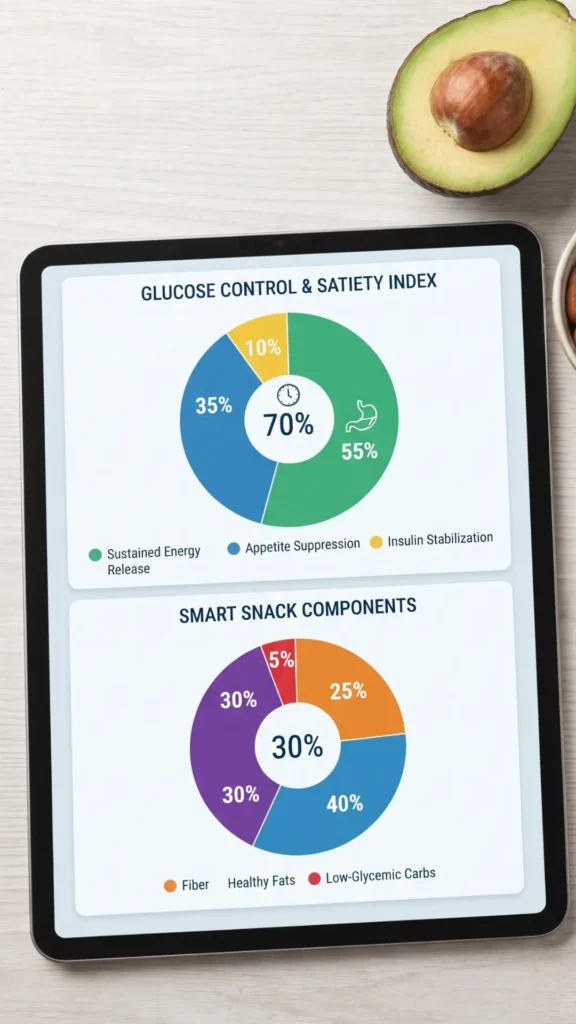
The common belief that snacking causes weight gain is an oversimplification. Poor snack choices, those high in calories and processed ingredients and low in protein and fiber, can lead to overeating. However, well-chosen snacks stabilize blood sugar and reduce hunger, which helps control calorie intake at mealtime.
Research shows that people who eat a small, nutritious snack before meals tend to consume fewer calories overall because they avoid extreme hunger that leads to overeating. Additionally, snacks rich in protein and fiber help maintain steady energy levels and concentration throughout the day.
You might like this: https://volueat.com/high-protein-low-calorie-foods/
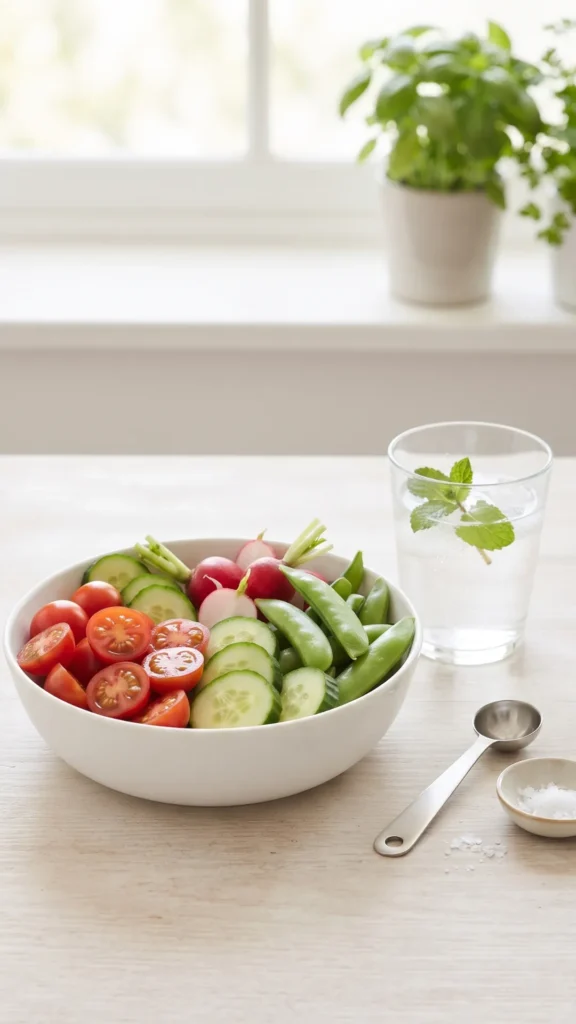
What Makes a Snack Truly Low in Calories?
Understanding calorie density, the number of calories per gram, is key to choosing truly low-calorie snacks. Foods with low calorie density, such as fruits, vegetables, legumes, whole grains, and high-protein foods like Greek yogurt and egg whites, allow you to eat satisfying portions without consuming many calories.
In contrast, calorie-dense snacks like nuts, cheese, dried fruit, and packaged bars contain many calories in a small volume. For example, a handful of mixed nuts can have 150–200 calories, while the same volume of strawberries contains only 30–40 calories but is more filling.
Aim for snacks under 150 calories per serving that include protein, fiber, or high water content. Combining these elements, for example, Greek yogurt with berries or vegetables with cottage cheese provides the most satisfying options.
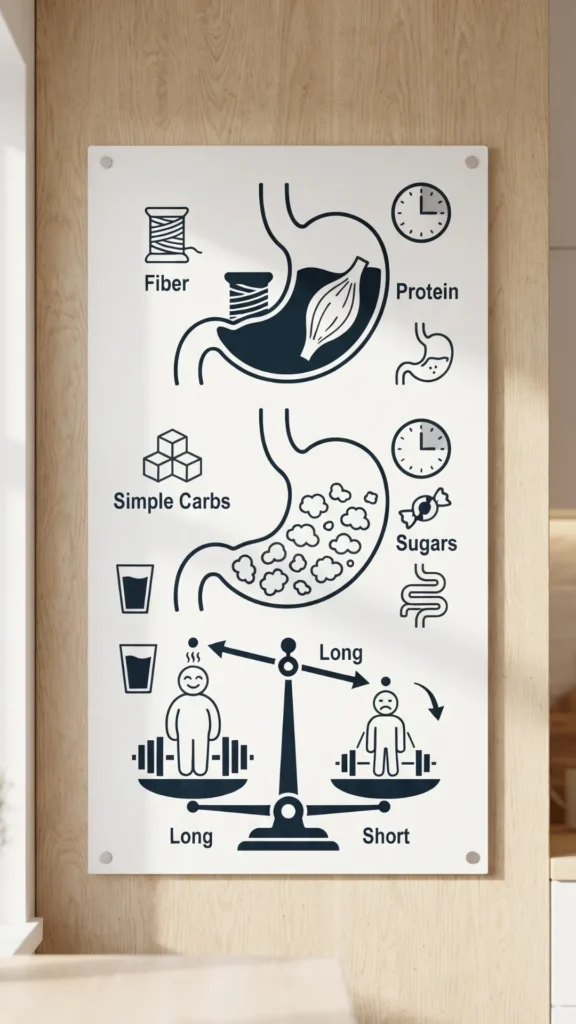
How to Choose Snacks That Keep You Full
Effective snacks fill you through three main mechanisms:
- Physical volume: Water-rich foods like cucumber, celery, and watermelon fill your stomach with few calories.
- Fiber: Slows digestion, stabilizes blood sugar, and feeds gut bacteria that promote fullness. Examples include raspberries, apples with skin, and edamame.
- Protein: Triggers hormones that signal fullness, reducing hunger until the next meal. Great sources are Greek yogurt, cottage cheese, and hard-boiled eggs.
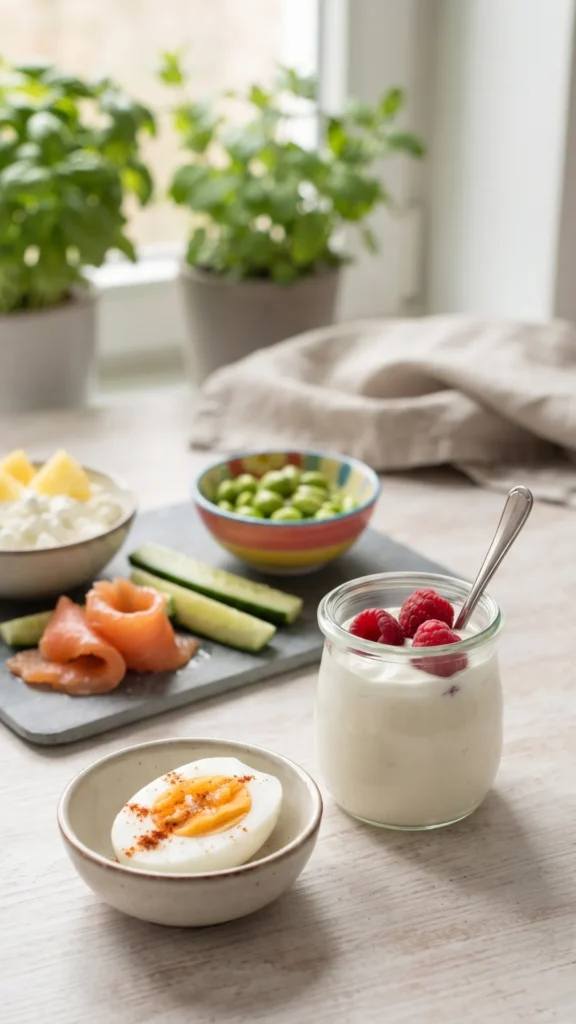
Best High-Protein, Low-Calorie Snacks
- Non-fat Greek yogurt (150g): ~15g protein, 88 calories
- Hard-boiled eggs (2 eggs): 12g protein, 140 calories
- Low-fat cottage cheese (150g): 16g protein, 108 calories
- Canned tuna with raw vegetables: 20g protein, ~100 calories
- Edamame (100g): 11g protein, 122 calories
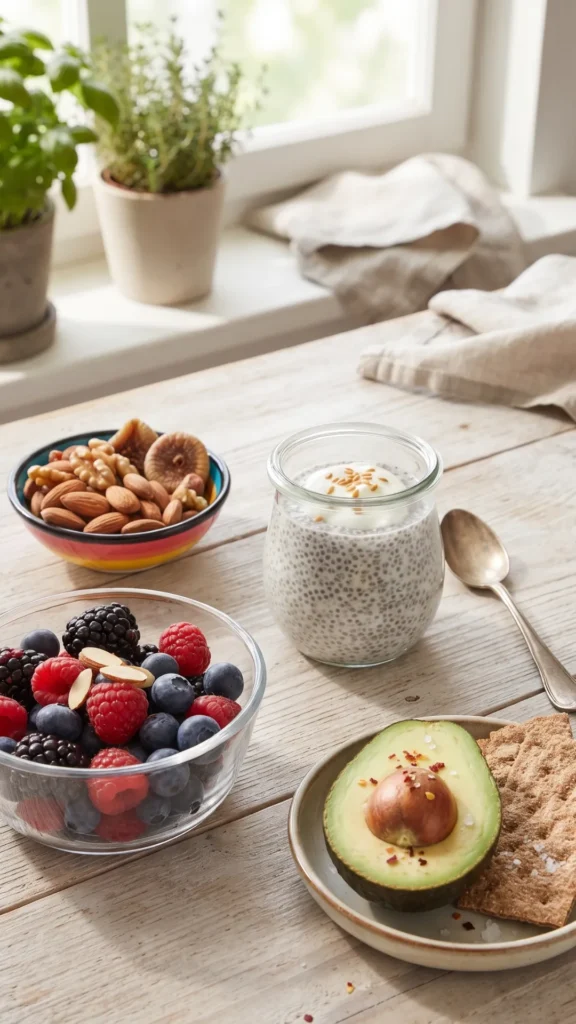
High-Fiber Snacks to Stay Full Longer
Fiber helps extend fullness and supports gut health:
- Raspberries (100g): 6.5g fiber, 52 calories
- Apples with skin (medium): 2.4g fiber, 80 calories
- Edamame (100g): 5g fiber and 11g protein
- Carrot and celery sticks with hummus, lentil soup, whole grain crackers with cottage cheese
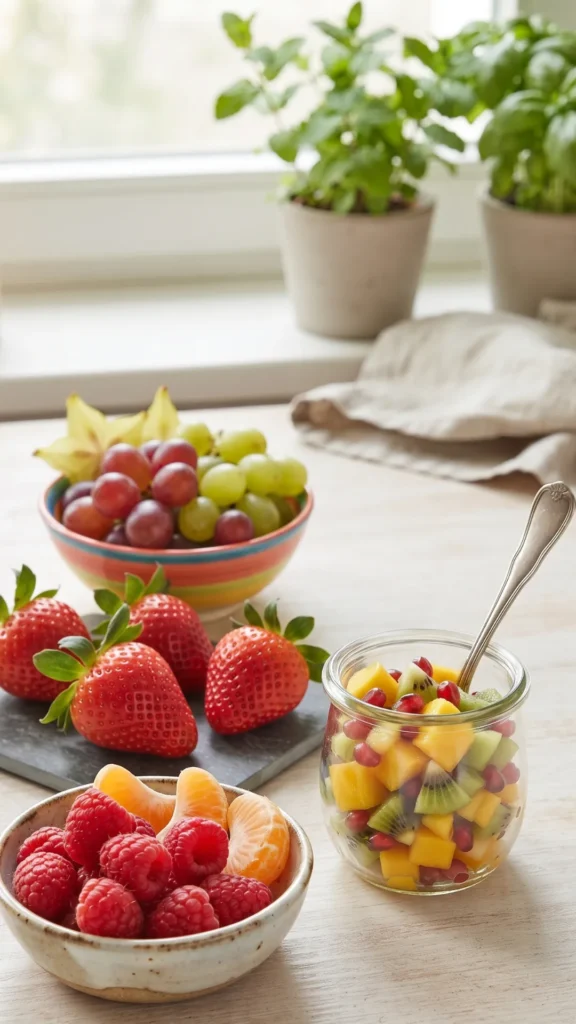
Fresh Fruit Snacks for Satisfying Sweet Cravings
Fresh fruit delivers natural sweetness with fewer calories and more fullness than processed sweets:
- Watermelon: 90–120 calories per large bowl, high water content
- Strawberries (200g): 32 calories per 100g, 4g fiber
- Frozen grapes: ~70 calories per 100g; eating slowly increases fullness
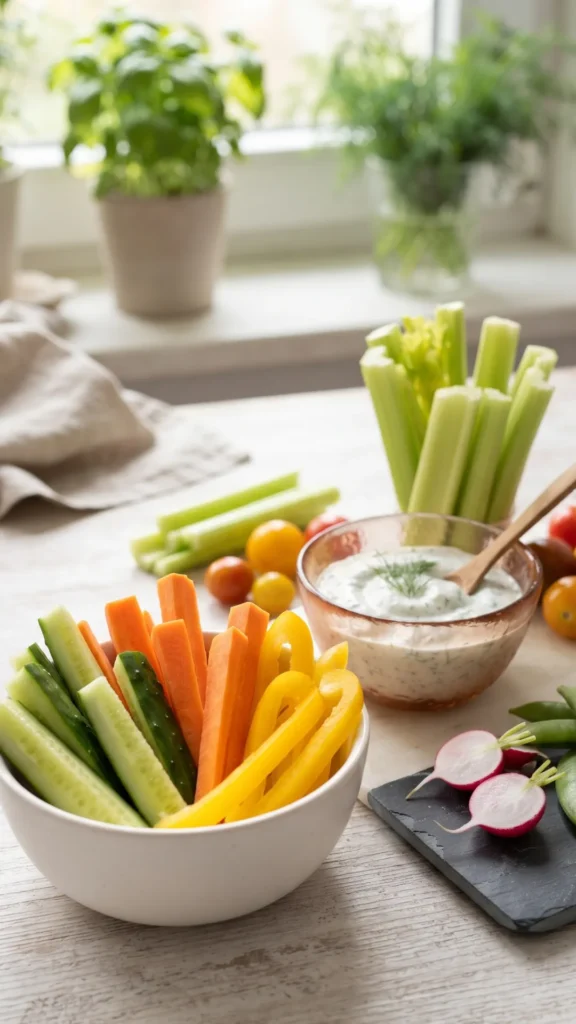
Crunchy Vegetable Snacks That Satisfy
Crunchy textures often drive snack cravings. Low-calorie crunchy options include the following:
- Cucumber, celery, bell pepper, carrot: under 40 calories per 100g
- Pair with hummus, Greek yogurt dip, or cottage cheese for added protein and satiety
- Radishes and sugar snap peas offer flavorful crunch without dips
Top 30 Low-Calorie Snack Ideas
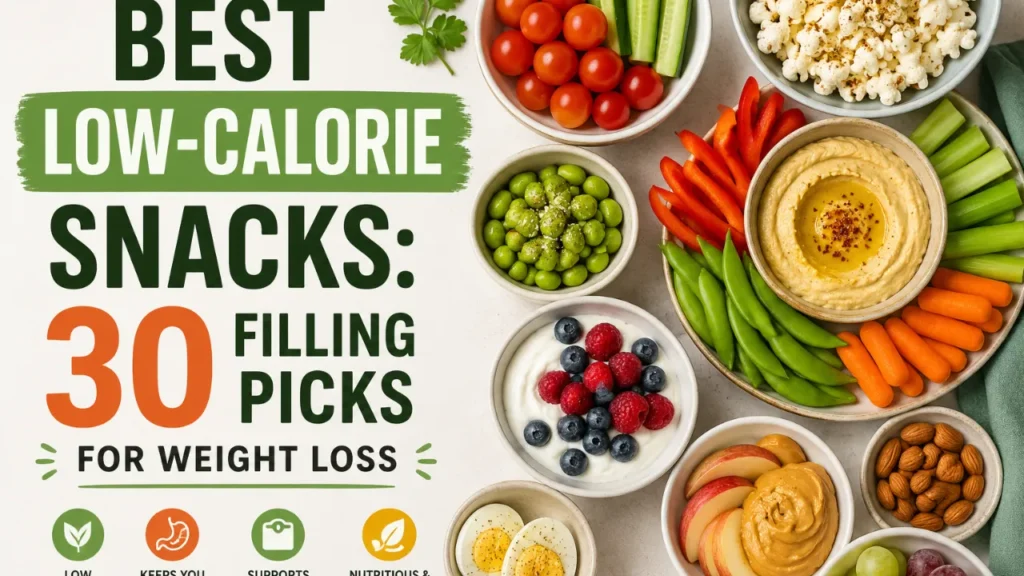
Greek yogurt, berries, hard-boiled eggs, cucumbers, watermelon, celery with hummus, strawberries, cottage cheese, apples, edamame, raspberries, carrots, canned tuna, bell peppers, air-popped popcorn, frozen grapes, kiwi, rice cakes with cottage cheese, miso soup, peaches, sugar snap peas, blackberries, skim milk latte, grapefruit, oranges, radishes, lentil soup, and egg whites.
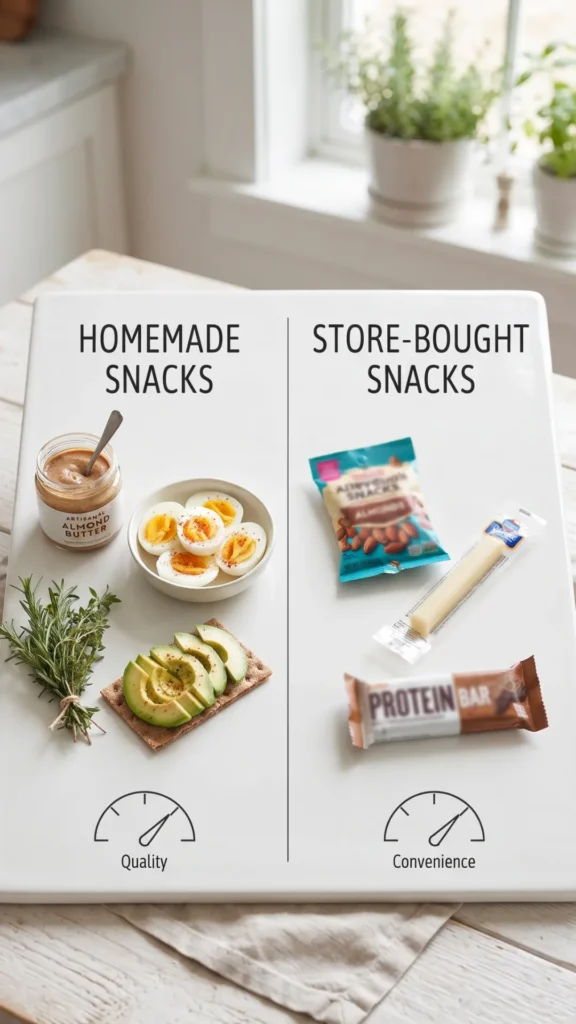
Homemade vs. Store-Bought Snacks
Homemade snacks typically offer better nutrition, portion control, and cost savings. Store-bought snacks are convenient but require label reading to avoid hidden sugars and fats. Look for options under 150 calories with at least 5 grams of protein or fiber.
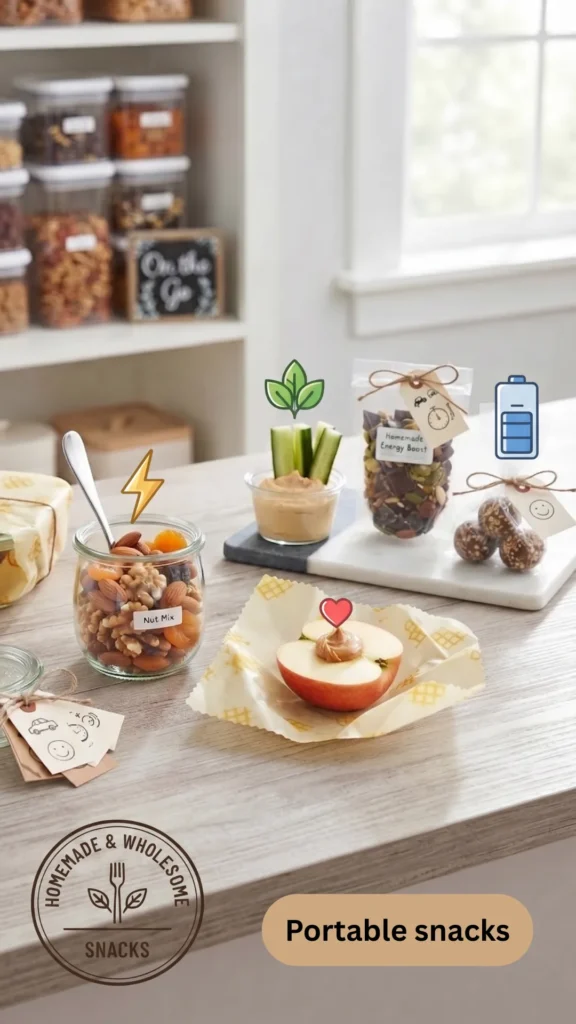
Portable Snacks for Busy Days
Prepare snacks you can take anywhere like whole fruits, Greek yogurt pots, cottage cheese containers, hard-boiled eggs, vegetable sticks with hummus, air-popped popcorn, nut butter sachets with apple slices, or whole grain crackers with tuna.
Common Snacking Mistakes to Avoid
- Snacking out of habit or boredom instead of genuine hunger
- Choosing low-calorie but low-satiety snacks without protein or fiber
- Overeating calorie-dense foods like nuts due to poor portion control
- Eating snacks too close to meals (ideally 90 minutes to 2 hours before eating)
Snack Prep Tips for Success
- Wash and chop vegetables into grab-and-go containers
- Hard-boil eggs in batches to keep on hand
- Portion Greek yogurt with berries for quick snacks
- Make lentil soup in bulk and freeze portions for convenience
Managing Evening Cravings
Prepare enjoyable, low-calorie evening snacks such as frozen grapes, miso soup, mixed berries with Greek yogurt, or herbal tea. Identify your craving type, sweet, savory, or boredom, and choose the appropriate snack or activity.
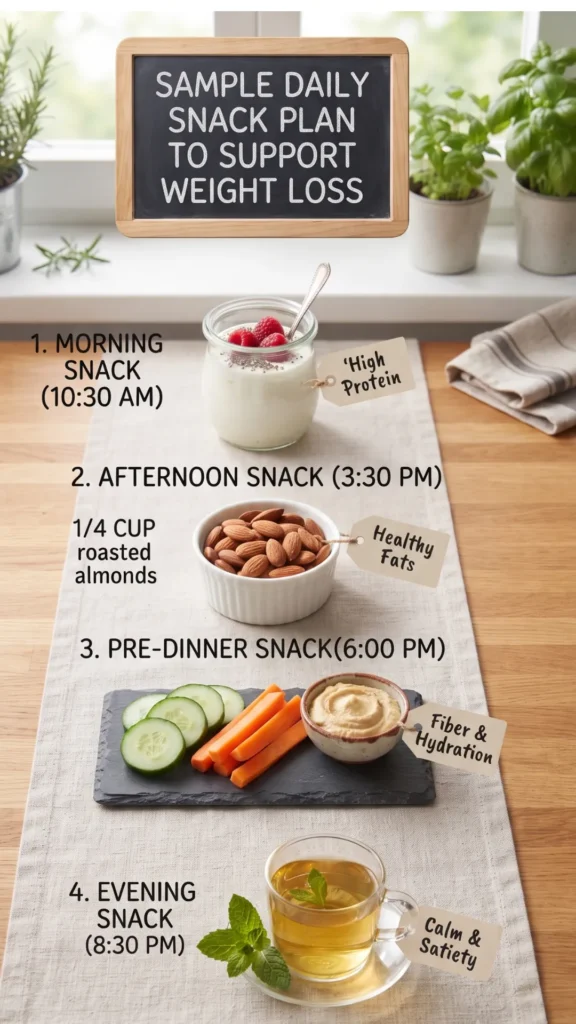
Sample Daily Snack Plan to Support Weight Loss
- Morning: Greek yogurt with raspberries (~130 calories, 15g protein, 5g fiber)
- Afternoon: Mixed vegetables with hummus and an apple (~160–180 calories, 6g fiber)
- Evening: Frozen berries or miso soup with peppermint tea (~50–80 calories)
Total snack calories are around 340 to 390 daily, leaving room for balanced meals.
Conclusion
Smart snacking is a powerful tool for weight loss. By choosing filling, low-calorie snacks rich in protein, fiber, or water, and preparing them in advance, you can manage hunger effectively, avoid overeating, and stay on track with your weight loss goals.
Disclaimer
This article is for informational purposes only and is not medical or nutritional advice. Always consult a healthcare professional before making significant changes to your diet, especially if you have existing health conditions
Table of content
Why Smart Snacking Supports Weight Loss
What Makes a Snack Truly Low in Calories?
How to Choose Snacks That Keep You Full
Best High-Protein, Low-Calorie Snacks
High-Fiber Snacks to Stay Full Longer
Fresh Fruit Snacks for Satisfying Sweet Cravings
Crunchy Vegetable Snacks That Satisfy
Top 30 Low-Calorie Snack Ideas
Homemade vs. Store-Bought Snacks
Portable Snacks for Busy Days
Common Snacking Mistakes to Avoid
Snack Prep Tips for Success
Managing Evening Cravings
Sample Daily Snack Plan to Support Weight Loss
Conclusion
Feel free to save or pin this guide for easy access to healthy, satisfying snack ideas that support your weight loss journey. For more meal plans and volume eating tips, visit Volueat.com for complete, sustainable eating solutions