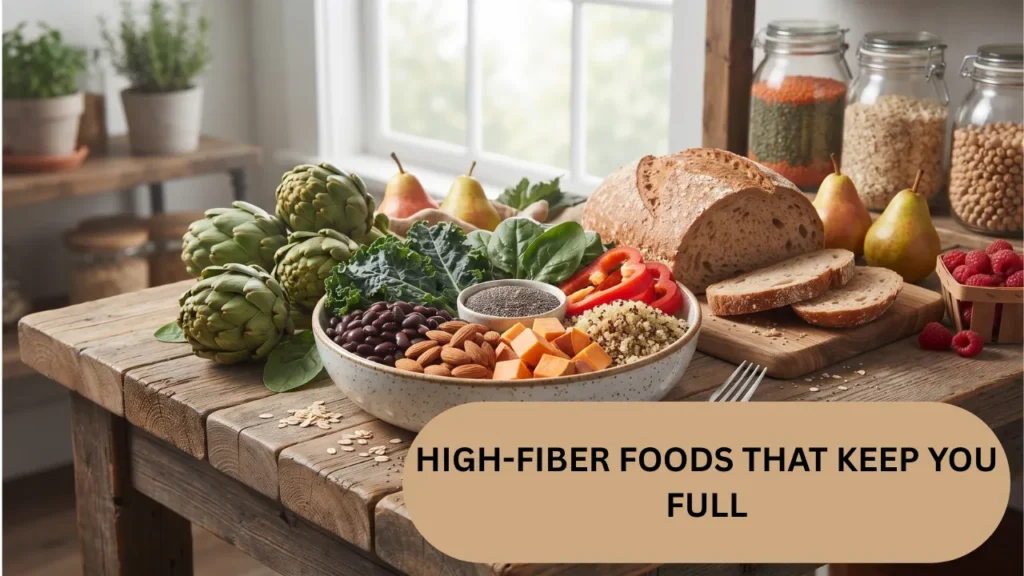
If you’ve ever finished a meal only to feel hungry again soon after, it’s likely your meal lacked enough fiber. High-fiber foods that keep you full work uniquely by slowing digestion, balancing blood sugar, nourishing your gut, and providing a lasting sense of fullness rather than just a quick fix. The best part? Many of these foods are affordable, easy to find, and simple to add to your current meals.
This comprehensive guide explains how fiber impacts your body, highlights the highest fiber foods per calorie, offers practical ways to add them to your diet, and points out common mistakes that can block you from experiencing their full benefits. Whether you’re new to fiber-rich eating or looking to improve your habits, this guide has you covered.
Why Fiber Is a Crucial Tool for Weight Loss
Fiber often gets overlooked in weight loss discussions, overshadowed by talk about calories, protein, or carbs. However, fiber is a powerful player; it helps regulate appetite, stabilizes energy, supports gut health, and makes it easier to maintain a calorie deficit over time.
Research shows that higher fiber intake naturally reduces total calorie consumption because it helps you feel less hungry. Diets rich in fiber are consistently linked to lower body weight, smaller waistlines, and better long-term weight management.
Beyond appetite control, fiber boosts metabolic health by improving insulin sensitivity, lowering LDL cholesterol, reducing inflammation, and feeding beneficial gut bacteria that influence immune function and mood. Increasing fiber intake strengthens your body’s ability to regulate hunger and energy sustainably.
Despite these benefits, most adults only consume about 10 to 15 grams of fiber daily, roughly half the recommended amount. Closing this gap doesn’t require a complete diet overhaul; instead, focus on adding more fiber-rich foods to your existing meals.
How High-Fiber Foods Keep You Feeling Full Longer
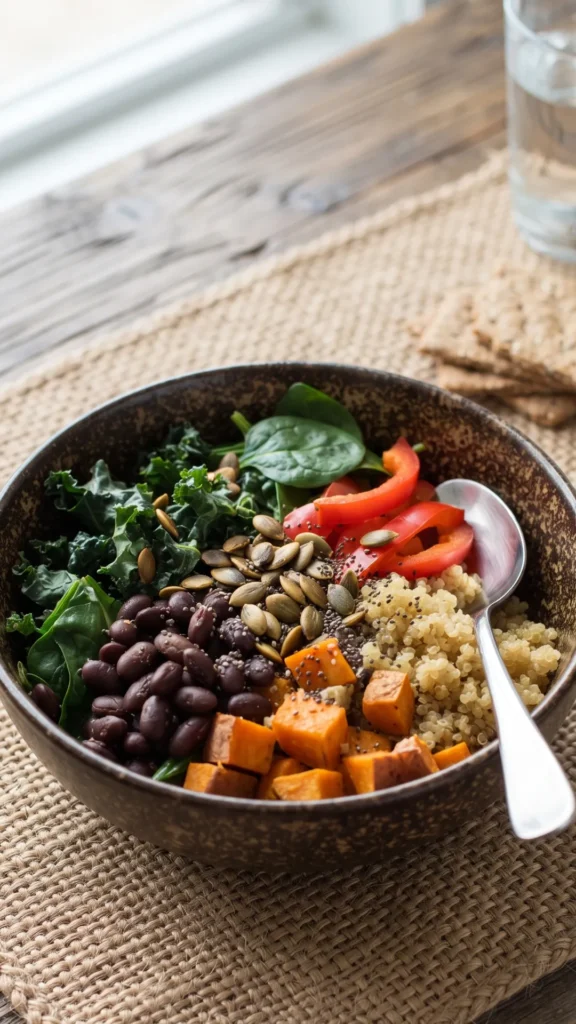
The fullness from high-fiber foods that keep you full isn’t subtle; it lasts longer than fullness from low-fiber meals with the same calories, often extending by one to two hours or more. Here’s why:
- Physical Bulk: Fiber increases the volume of your food without adding calories, making your stomach feel fuller. This activates stretch receptors that signal fullness to your brain.
- Slower Digestion: Soluble fiber forms a gel in the digestive tract that slows stomach emptying and nutrient absorption, stabilizing blood sugar and prolonging energy.
- Gut Bacteria Fermentation: Soluble fiber is fermented by gut bacteria, producing compounds that signal fullness and help regulate appetite.
Together, these mechanisms make fiber a powerful natural appetite suppressant.
Soluble vs. Insoluble Fiber: Both Matter for Fullness and Weight Loss
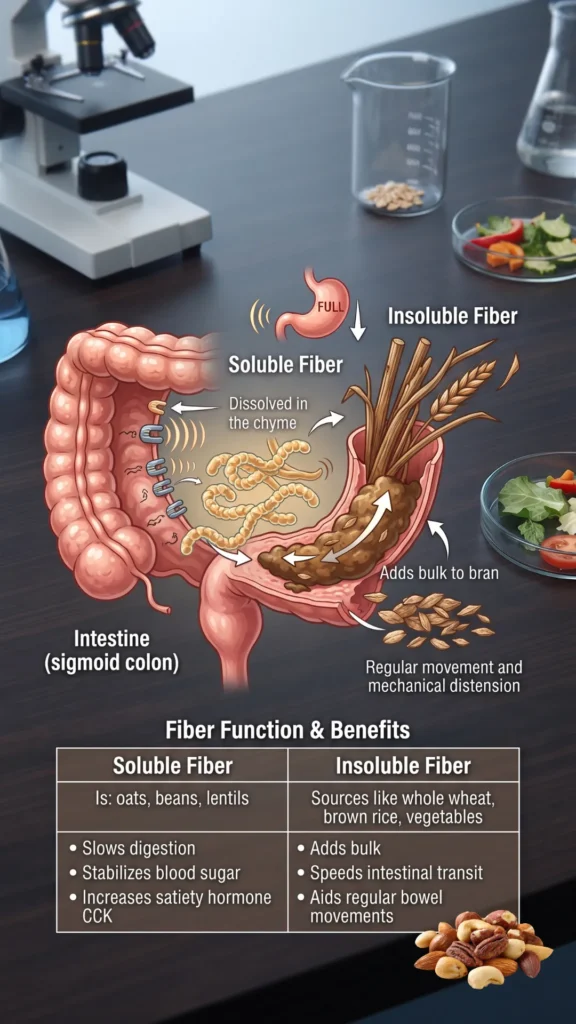
Fiber exists in two main forms, soluble and insoluble, and both support fullness and weight control through different actions.
- Soluble Fiber: Dissolves in water, forming a gel that slows digestion and stabilizes blood sugar. Rich sources include oats, barley, legumes, apples, citrus fruits, flaxseeds, and chia seeds. Oats’ beta-glucan is especially effective at curbing appetite.
- Insoluble Fiber: Does not dissolve in water but adds bulk to stool, speeds intestinal transit, and supports regularity. Found in vegetable skins, whole grains, broccoli, and cauliflower.
Because most plant foods contain both types, eating a varied diet of fruits, vegetables, legumes, and whole grains provides the best satiety benefits.
How Much Fiber Do You Need Daily for Weight Loss?
General guidelines recommend 25 grams of fiber daily for women and 38 grams for men to promote heart health, stable blood sugar, and gut function. For weight loss, aiming for 30 grams or more daily has shown benefits.
Most adults consume only 10 to 15 grams per day, so intentional changes are needed. Increasing fiber intake gradually, about 3 to 5 grams per week, and staying well-hydrated helps your gut adjust comfortably.
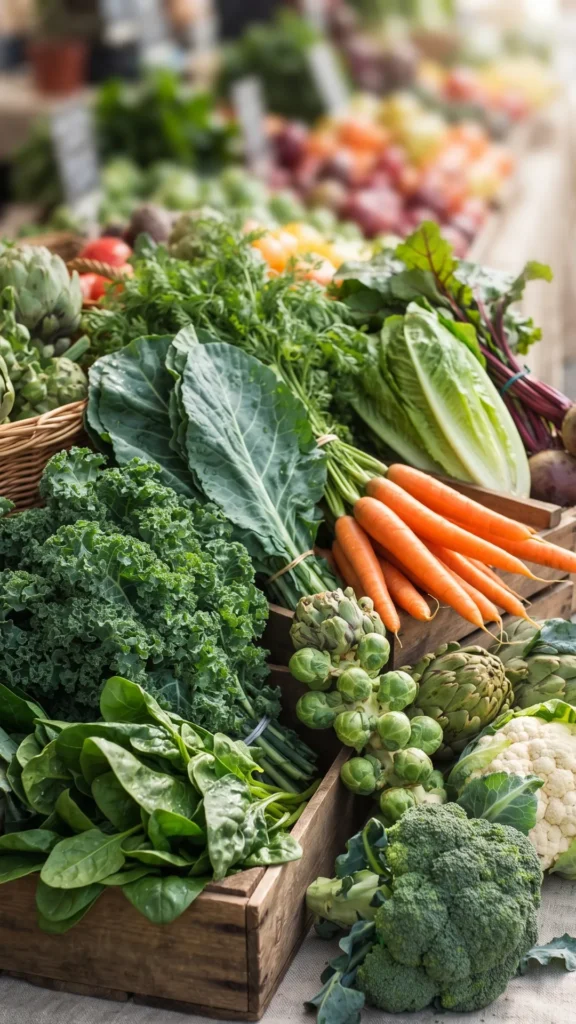
Best High-Fiber Vegetables to Include Every Day
Vegetables are a versatile, low-calorie source of fiber, especially non-starchy types providing 2 to 4 grams per 100 grams.
- Broccoli: 2.6g fiber, 34 calories per 100g. Delicious roasted with garlic.
- Brussels Sprouts: 3.8g fiber, 43 calories per 100g. Crispy roasting enhances flavor.
- Artichokes: Around 7g of fiber per medium vegetable, 60 calories. Fiber champions requiring a bit more prep.
- Other great choices: peas, carrots, sweet potatoes, kale, spinach, green beans.
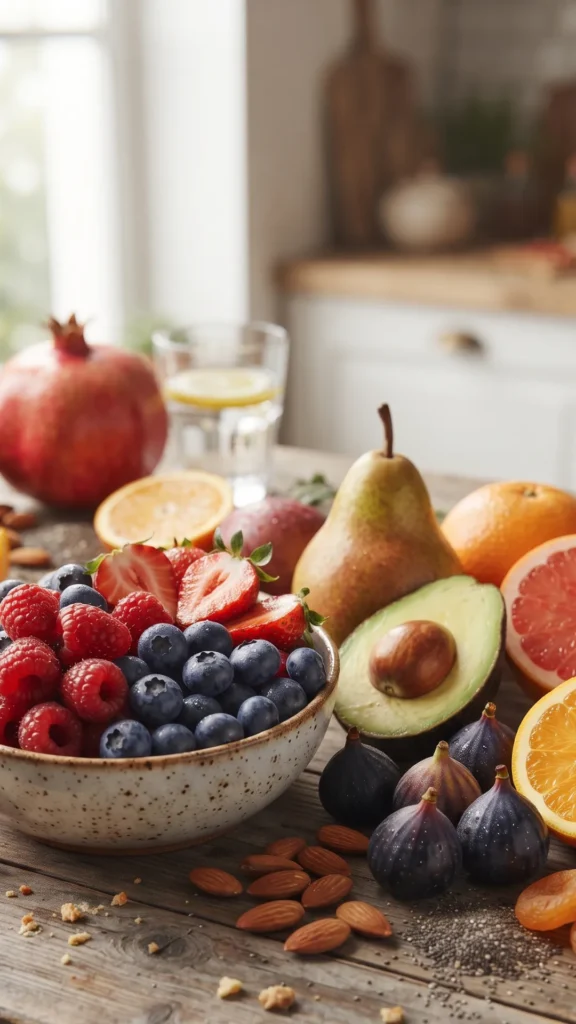
Fiber-Rich Fruits to Boost Your Diet
Fruits satisfy sweet cravings and add fiber naturally.
- Raspberries: 6.5g fiber, 52 calories per 100g, the best fiber-to-calorie ratio among common fruits.
- Blackberries and Guava: Over 5 grams per 100 grams.
- Pears and Apples: Moderate fiber, mostly in the skin.
- Avocado: Highest fiber fruit at 6.7g per 100g but calorie-dense; best as a healthy fat addition.
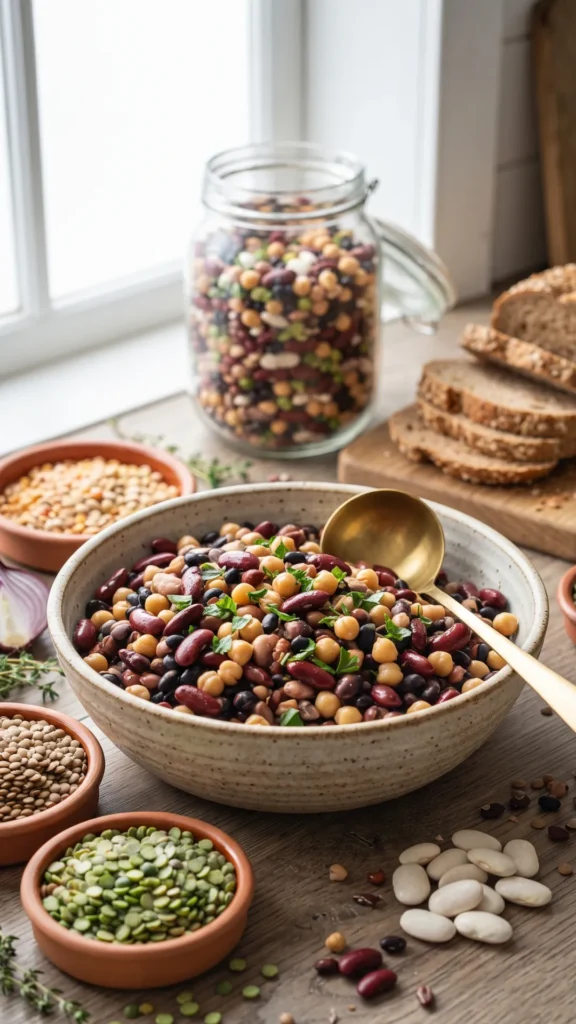
Beans, Lentils, and Legumes: Satiety Powerhouses
Legumes combine fiber with protein, enhancing fullness.
- Red Lentils: 8g fiber and 9g protein per 100g cooked; quick to prepare.
- Black Beans, Chickpeas, Kidney Beans, Split Peas: 7 to 9 grams of fiber and protein per 100g.
- Edamame: 5g fiber and 11g protein per 100g; perfect high-protein, high-fiber snack.
Including legumes 3-4 times weekly significantly boosts fiber intake.
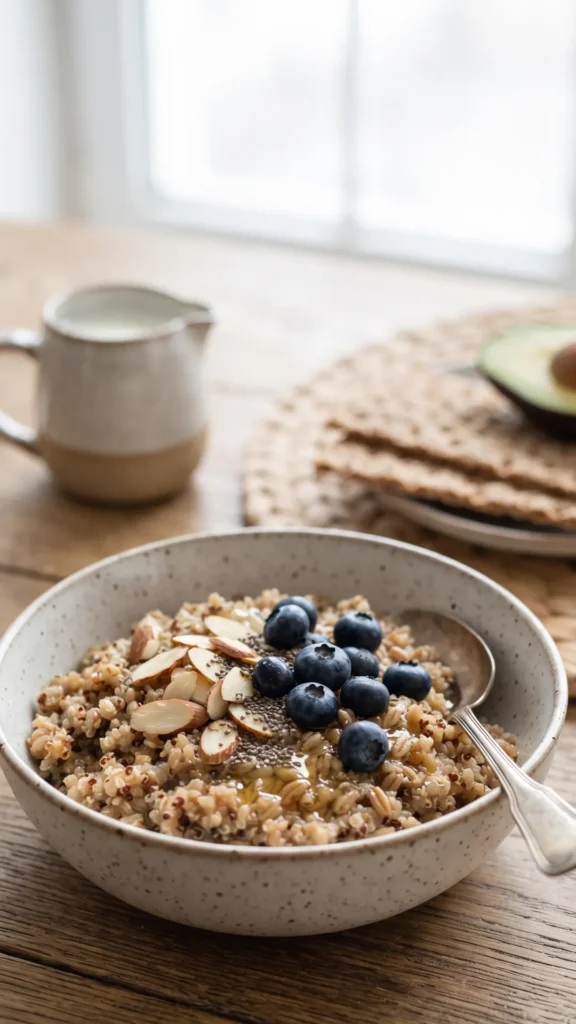
Whole Grains That Support Fullness
Whole grains fit easily into meals and provide fiber that promotes satiety.
- Oats: Rich in beta-glucan, they suppress appetite for hours.
- Barley: Even higher beta-glucan content, perfect for soups and stews (3.8g fiber per 100g cooked).
- Quinoa, Brown Rice, Whole Grain Bread, Pasta: More fiber than refined versions, supporting fullness.
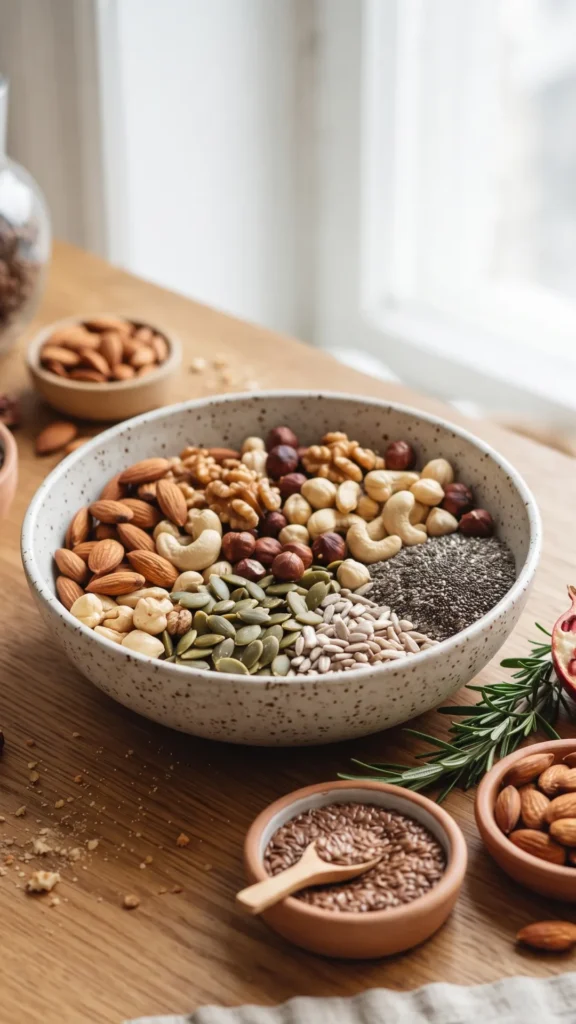
Nuts and Seeds for Fiber and Sustained Fullness
Nuts and seeds are calorie-dense but provide concentrated fiber and protein.
- Chia Seeds: 34g fiber per 100g; absorb water and add volume.
- Flaxseeds: 27g fiber per 100g, mostly soluble; best consumed ground.
- Almonds: 3.5g fiber and 6g protein per 30g; excellent snack.
- Other options: walnuts, pumpkin seeds, sunflower seeds.
Top 25 High-Fiber Foods That Keep You Full
- Chia seeds — 34g fiber, 486 kcal (use sparingly)
- Flaxseeds — 27g fiber, 534 kcal (ground preferred)
- Split peas cooked — 8.3g fiber, 118 kcal
- Black beans cooked — 8.7g fiber, 132 kcal
- Lentils cooked — 8g fiber, 116 kcal
- Kidney beans cooked — 7.4g fiber, 127 kcal
- Chickpeas cooked — 7g fiber, 164 kcal
- Artichoke — 7g fiber, 53 kcal
- Raspberries — 6.5g fiber, 52 kcal
- Avocado — 6.7g fiber, 160 kcal
- Blackberries — 5.3g fiber, 43 kcal
- Peas — 5.1g fiber, 81 kcal
- Edamame — 5g fiber, 122 kcal
- Guava — 5.4g fiber, 68 kcal
- Pears—3.1 g fiber, 57 kcal
- Brussels sprouts — 3.8g fiber, 43 kcal
- Dry oats—10g fiber per 100g, 389 kcal
- Barley cooked — 3.8g fiber, 123 kcal
- Almonds — 3.5g fiber per 30g, 170 kcal
- Broccoli — 2.6g fiber, 34 kcal
- Apples — 2.4g fiber, 52 kcal
- Kale — 2g fiber, 35 kcal
- Quinoa, cooked—2.8g fiber, 120 kcal
- Brown rice cooked — 1.8g fiber, 110 kcal
- Sweet potato — 3g fiber, 86 kcal
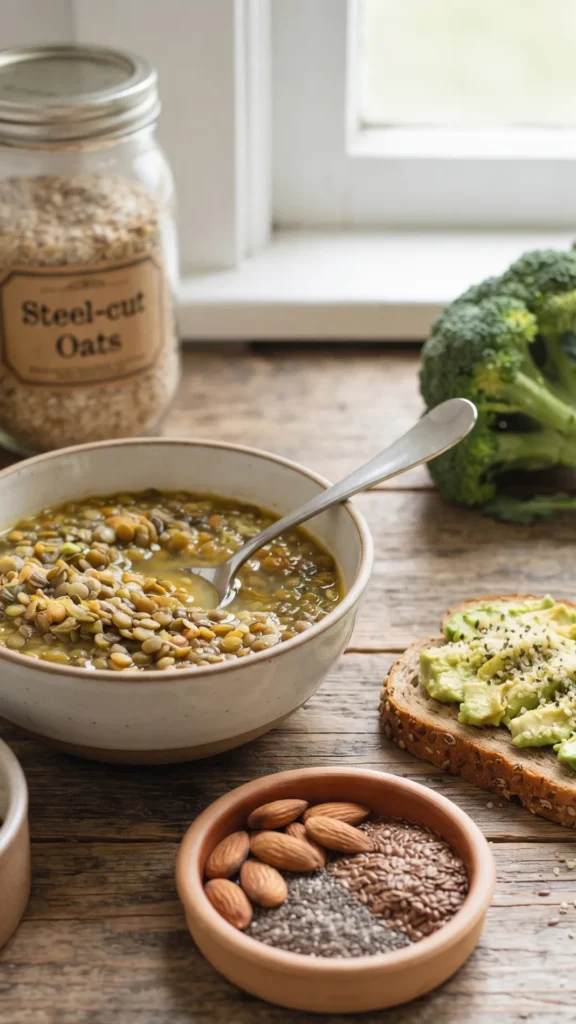
Easy Ways to Add Fiber Without Overhauling Your Diet
- Stir a tablespoon of ground flaxseed or chia seeds into yogurt or oats for 2–3 grams of extra fiber.
- Swap white rice for brown rice or cauliflower rice to increase fiber and reduce calories.
- Add a handful of spinach, kale, or broccoli to meals for a 2-gram fiber boost per serving.
- Replace processed snacks with fresh fruit or edamame for more fiber and satiety.
- Start meals with a vegetable broth soup or salad to increase fiber and reduce calorie intake.
You Might Like This: https://volueat.com/the-powerful-role-of-fruit-in-weight-loss/
Common Mistakes When Increasing Fiber Intake
- Increasing fiber too quickly can cause bloating and discomfort. Increase by 3–5 grams per week.
- Not drinking enough water can lead to constipation. Aim for at least 2 liters daily.
- Relying on supplements instead of whole foods misses out on vital nutrients.
- Consuming fiber all in one meal reduces its effectiveness; spread intake throughout the day.
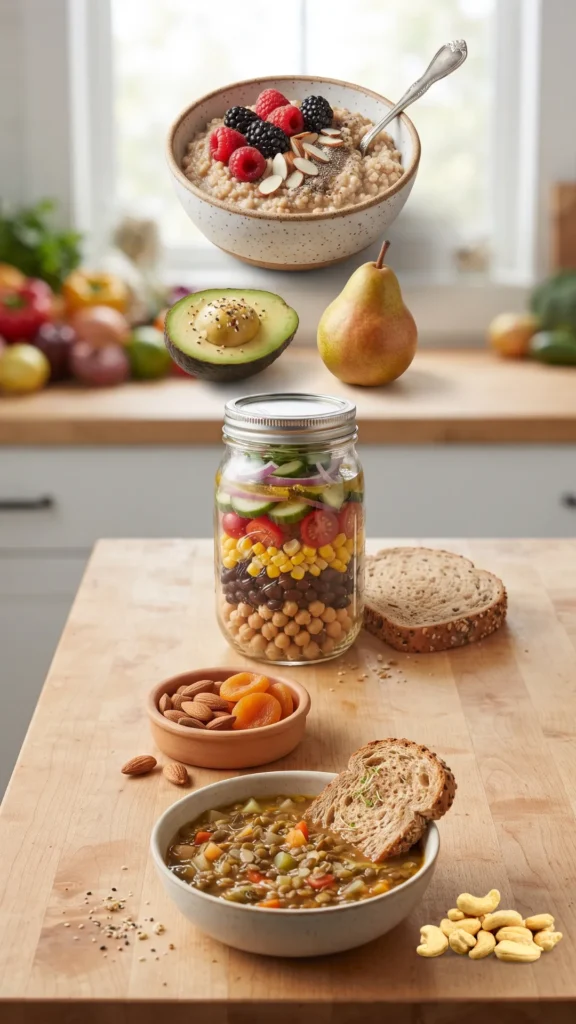
Sample High-Fiber Day of Eating
- Breakfast: Rolled oats with Greek yogurt, raspberries, and ground flaxseed (12–14g fiber)
- Morning snack: Apple with skin and edamame (7–8g fiber)
- Lunch: Large salad with chickpeas, grilled chicken, and vegetable broth soup (10–12g fiber)
- Afternoon snack: Mixed raspberries and blackberries (5–6g fiber)
- Dinner: Red lentil soup with roasted broccoli and Brussels sprouts (14–16g fiber)
Total fiber: 48–56 grams; calories: 1,350-1,520 ideal for weight loss.
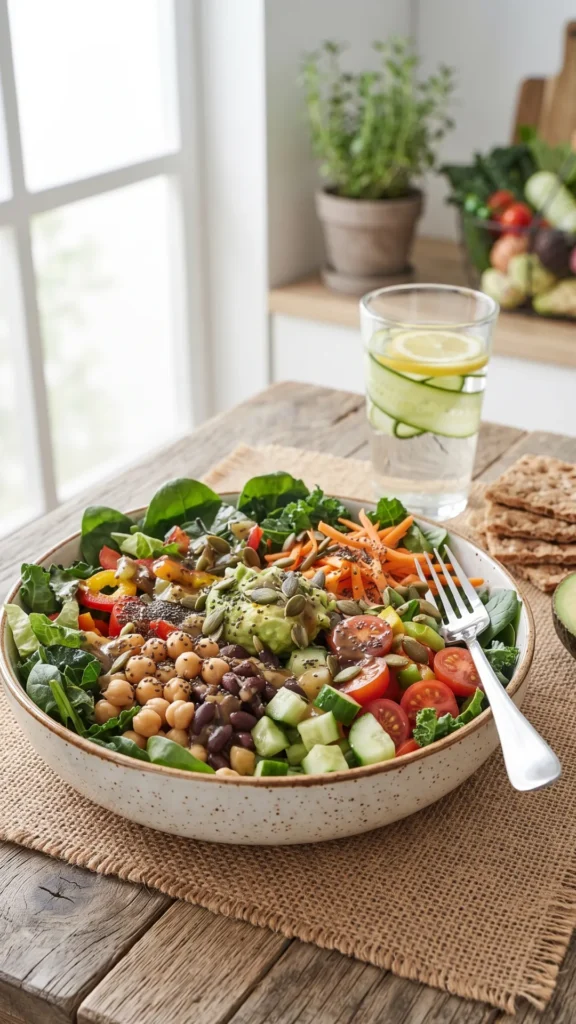
Why Volume Eating and High-Fiber Foods Are a Perfect Match
Volume eating fills your stomach with large portions of low-calorie foods. When paired with high-fiber foods that keep you full, it helps control hunger long after you finish eating.
Top fiber-rich volume foods include raspberries, blackberries, broccoli, Brussels sprouts, kale, spinach, and lentil soups, all under 150 calories per generous serving.
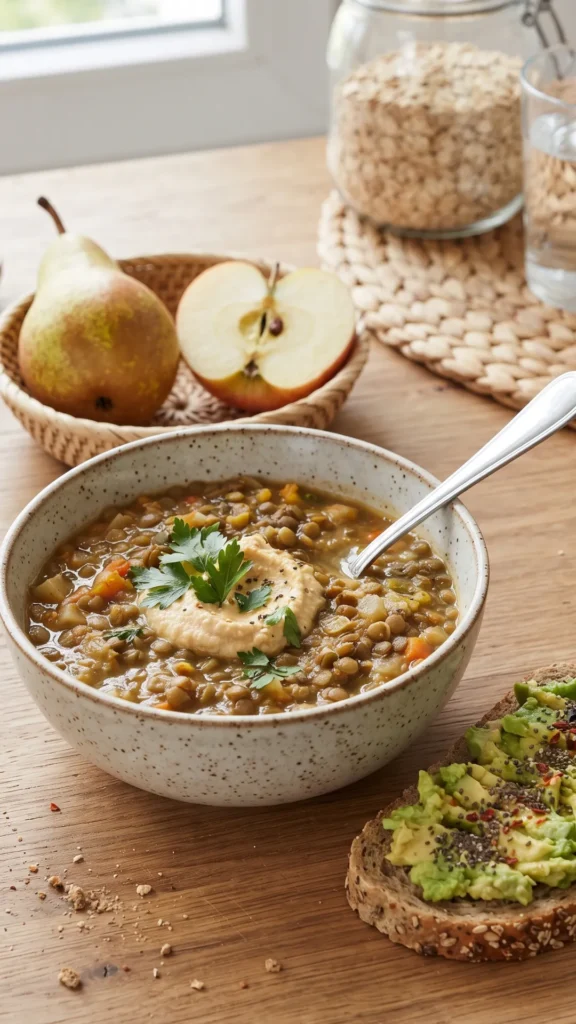
Broth-based soups with legumes combine volume, protein, and fiber to keep hunger at bay for hours.
Building meals around fiber-rich vegetables, lean protein, and whole grains or legumes creates balanced plates that satisfy fully.
Make Fiber Your Weight Loss Foundation
Eating meals centered on high-fiber foods that keep you full naturally lowers calorie intake by managing hunger without strict dieting. Start by making small changes like adding raspberries to breakfast, swapping white rice for brown or cauliflower rice, or beginning meals with vegetable broth. These steps will improve your hunger control and energy within weeks. For more guidance, explore Volueat’s articles on high-protein low-calorie foods, best vegetables for weight loss, and volume eating food list
Disclaimer
This article is for informational purposes only and is not medical or nutritional advice. Always consult a healthcare professional before making significant changes to your diet, especially if you have existing health conditions
Table of content
Why Fiber Is a Crucial Tool for Weight Loss
How High-Fiber Foods Keep You Feeling Full Longer
Soluble vs. Insoluble Fiber: Both Matter for Fullness and Weight Loss
How Much Fiber Do You Need Daily for Weight Loss?
Best High-Fiber Vegetables to Include Every Day
Fiber-Rich Fruits to Boost Your Diet
Beans, Lentils, and Legumes: Satiety Powerhouses
Whole Grains That Support Fullness
Nuts and Seeds for Fiber and Sustained Fullness
Top 25 High-Fiber Foods That Keep You Full
Easy Ways to Add Fiber Without Overhauling Your Diet
Common Mistakes When Increasing Fiber Intake
Sample High-Fiber Day of Eating
Why Volume Eating and High-Fiber Foods Are a Perfect Match
Make Fiber Your Weight Loss Foundation