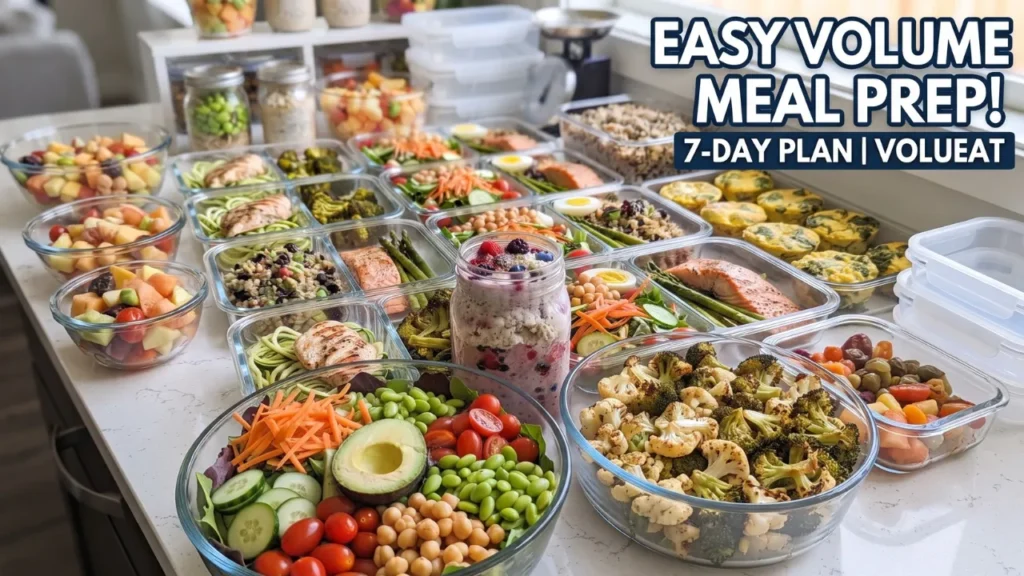
If time is the biggest challenge keeping you from eating well, easy meal prep for volume eating is the perfect solution. This method involves preparing large quantities of low-calorie, high-volume foods ahead of time so you can quickly assemble nutritious meals throughout the week without daily cooking stress or last-minute decisions.
What Is Volume Eating Meal Prep?
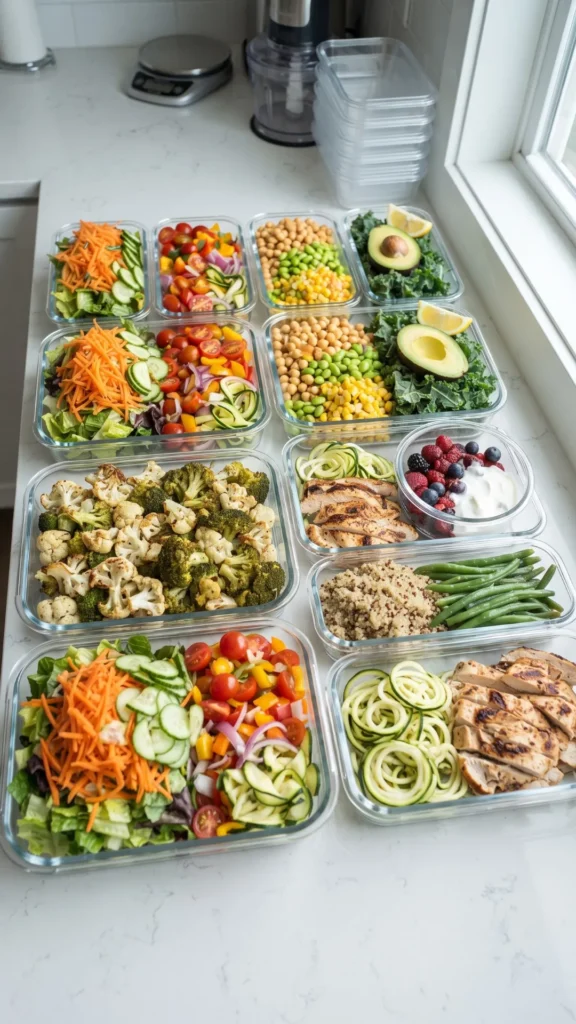
Volume eating meal prep means cooking and storing large portions of water-rich, fiber-packed foods that fill your plate and your stomach without piling on the calories. Instead of preparing full meals every day, you prepare versatile components like roasted vegetables, lean proteins, and whole grains once a week. Then, assembling a nutritious, satisfying meal takes just a few minutes.
This approach is more flexible and enjoyable than repetitive daily cooking. You can mix and match proteins, vegetables, and grains throughout the week, keeping meals interesting while maintaining control over calories and portions.

Why Choose Easy Meal Prep for Volume Eating?
You might like this:https://volueat.com/wp-admin/post.php?post=1000&action=edit
The biggest advantage of this meal prep approach for weight loss is removing the stress of food choices when hungry, which often leads to unhealthy impulse eating. With prepped meals ready to go, you eat intentionally, avoiding processed or high-calorie snacks.
Consistency is another huge benefit. Healthy, portioned meals are always at hand, regardless of how busy or tired you feel, supporting steady weight loss without relying on motivation alone.
Additionally, buying ingredients in bulk and cooking in batches saves money compared to buying individual meals or takeout. Foods ideal for volume eating like vegetables, legumes, oats, and lean proteins are budget-friendly and nutritious.
Core Ingredients for Volume Eating Meal Prep
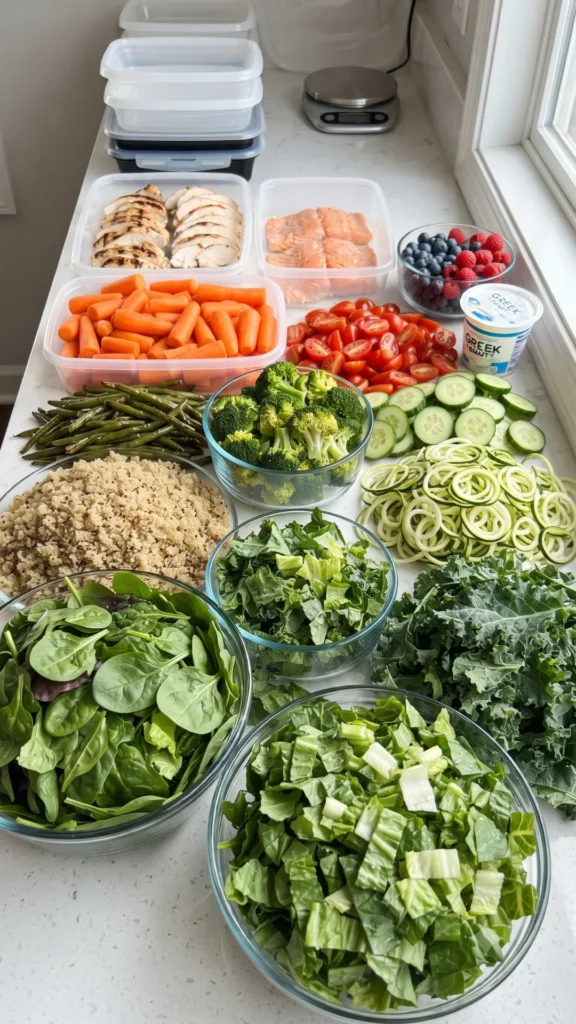
To build satisfying, low-calorie meals, focus on these core food groups:
- Non-starchy vegetables: Broccoli, cauliflower, spinach, bell peppers, zucchini, and cucumbers provide volume and fiber. Roast, steam, or prep raw veggies for snacks and meals.
- Lean proteins: Chicken breast, hard-boiled eggs, white fish, canned tuna, lentils, and chickpeas are excellent batch-cook options that stay fresh for days.
- Whole grains and legumes: Brown rice, quinoa, barley, and dried legumes offer filling carbohydrates with fiber and nutrients.
- Healthy fats: Use measured portions of avocado, olive oil, and hummus to add flavor and support satiety without overloading calories.
Step-by-Step Easy Meal Prep for Volume Eating
- Plan your menu: Decide which meals and snacks you want for the week, including breakfast, lunch, dinner, and snacks.
- Shop smart: Purchase ingredients in bulk, focusing on affordable, nutrient-dense foods suitable for volume eating.
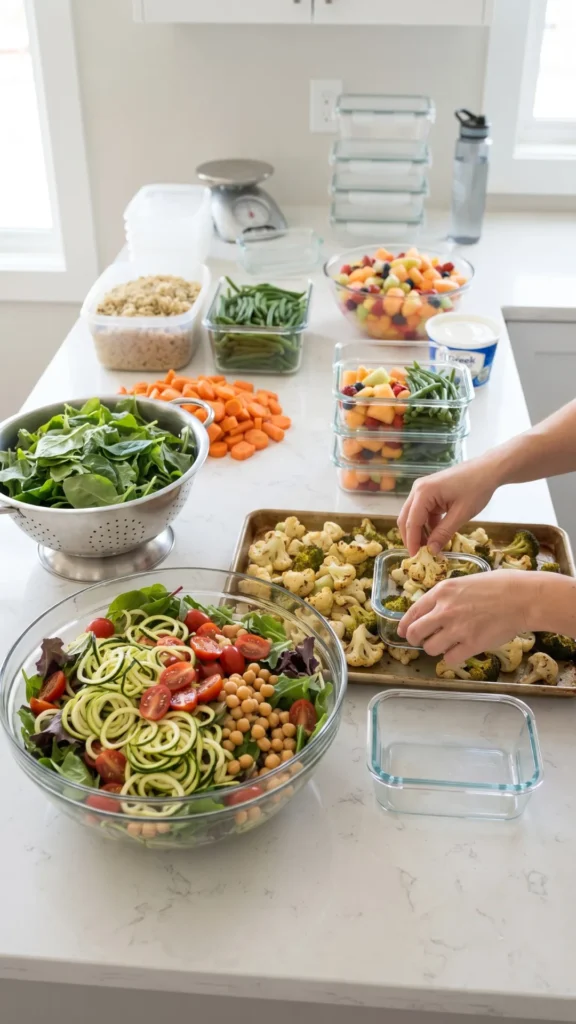
- Batch cook components: Roast vegetables, cook grains, boil eggs, and bake proteins in large quantities.
- Portion and store: Use airtight glass containers for storage, label with dates, and keep dressings separate to maintain freshness.
- Assemble meals daily: Mix and match prepped ingredients to create varied and satisfying plates in under 5 minutes.

Tips for Maximizing Volume and Satiety
- Fill at least half your plate with non-starchy vegetables to increase volume and fiber.
- Include a lean protein source to support muscle maintenance and prolong fullness.
- Add a portion of whole grains or legumes to provide sustainable energy.
- Use spices, herbs, and light dressings to enhance flavor without adding excess calories.
- Drink water or low-calorie beverages alongside meals to aid satiety.

Easy Breakfast Ideas for Volume Eating
Start your day with simple, prepared breakfasts like the following:
- Overnight oats: Mix oats, chia seeds, Greek yogurt, and berries in jars for a no-cook, high-fiber option.
- Baked egg muffins: Whisk eggs with veggies and bake in muffin tins for grab-and-go protein.
- Chia pudding: Combine chia seeds with almond milk and vanilla, refrigerate overnight, and top with fruit.
Quick and Filling Lunch Recipes
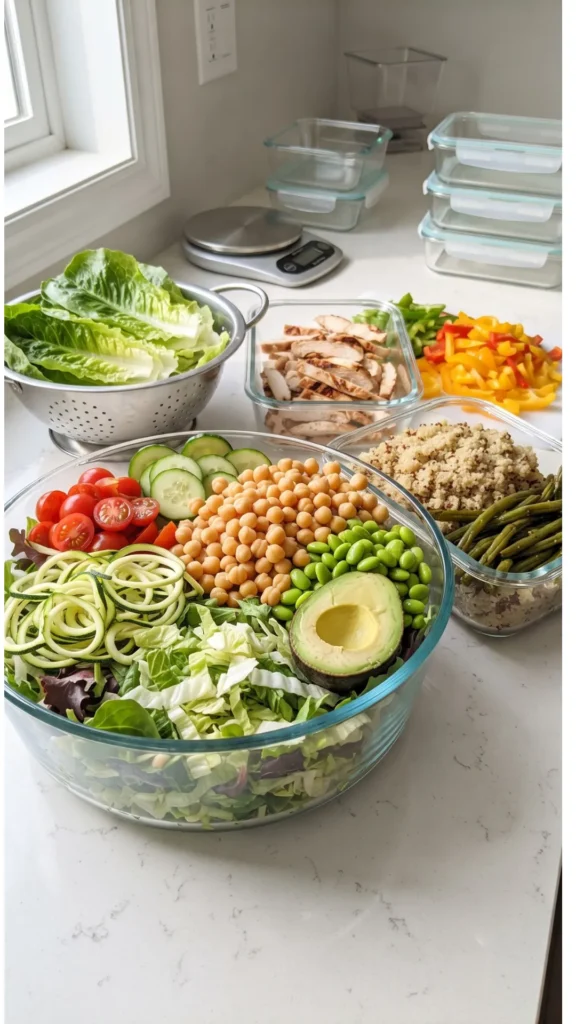
- Giant salads: Layer leafy greens, roasted vegetables, protein, and a light dressing.
- Hearty soups: Prepare bulk batches of lentil or vegetable soup and portion for the week.
- Grain bowls: Combine brown rice or quinoa with protein, veggies, and a drizzle of sauce.
Low-Calorie Dinner Meal Prep Made Simple
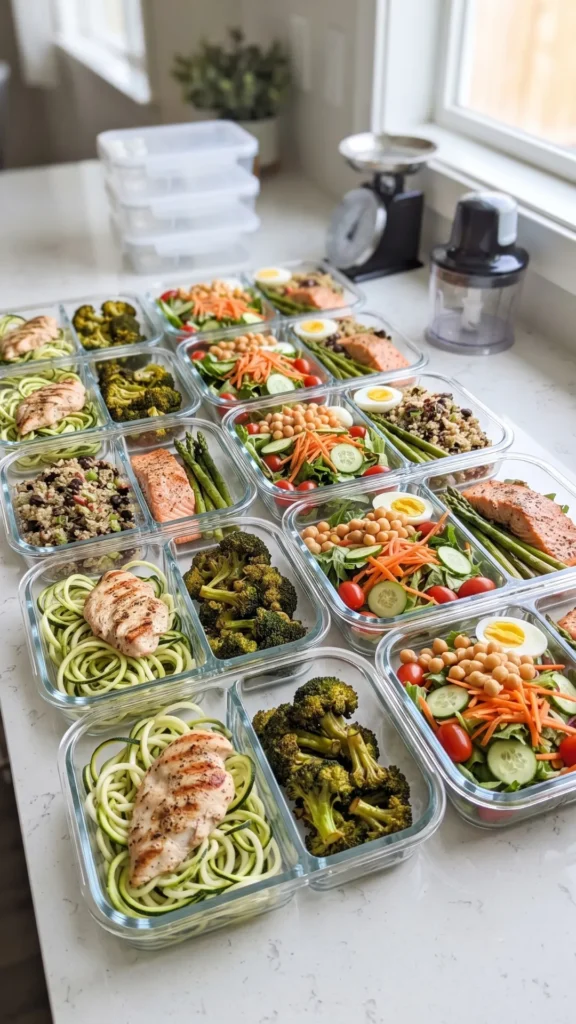
Batch cook proteins, grains, and veggies separately, then assemble warm meals quickly:
- Reheat chicken or fish with grains and roasted vegetables.
- Stir-fry prepped ingredients with vegetable broth instead of oil for lower calories.
- Add a splash of soy sauce, lemon juice, or herbs for flavor variety.
Smart Snack Prep for Volume Eating
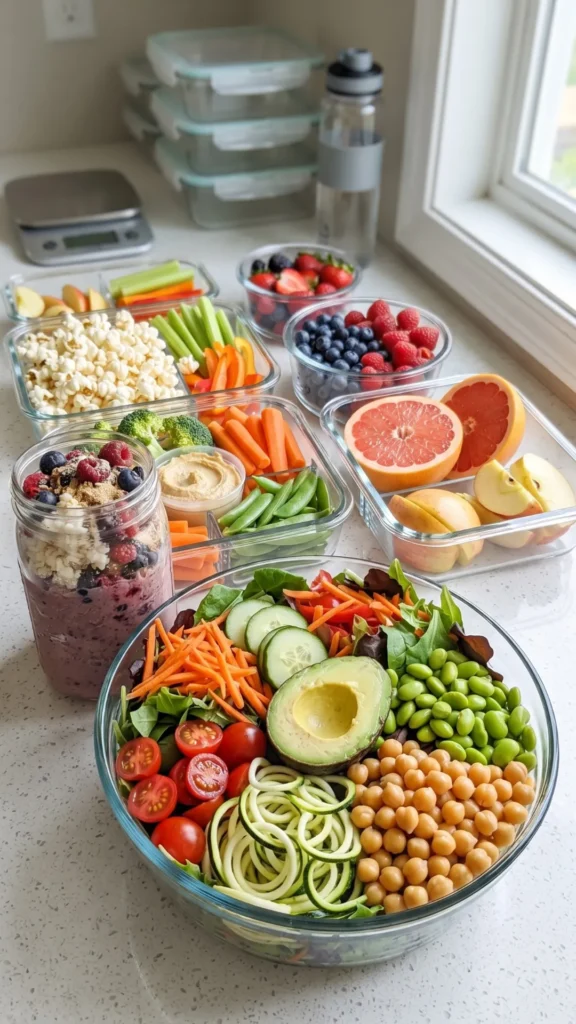
Avoid unhealthy snacking by preparing:
- Veggie sticks with hummus.
- Hard-boiled eggs.
- Greek yogurt with fresh berries.
- Pre-portioned fruit like apples or mixed berries.

Storage and Food Safety Best Practices
- Store cooked proteins for 3-4 days; fish for 2-3 days.
- Keep grains fresh up to 5 days; cool completely before refrigerating.
- Wash and dry leafy greens thoroughly; store with paper towels to absorb moisture.
- Label containers with prep dates to manage freshness.
Common Meal Prep Mistakes to Avoid
- Preparing too many identical meals causing boredom.
- Using improper containers that affect freshness and portion control.
- Over-prepping perishable items leading to spoilage.
- Neglecting flavor variety, resulting in meal fatigue.
Budget-Friendly Volume Eating Tips
- Buy frozen vegetables for cooked dishes and fresh ones for raw.
- Choose dried legumes over canned when time allows.
- Purchase proteins in bulk on sale and freeze extras.
- Select seasonal produce for cost savings and better flavor.
Frequently Asked Questions
How long does meal prep take?
Typically 1-2 hours for a full week of components, with experience reducing this to around 60 minutes.
Can I freeze prepped meals?
Yes, soups, stews, grains, and cooked proteins freeze well. Avoid freezing raw vegetables unless blanched first.
Do I need to count calories?
Following the plate structure naturally controls portions, but tracking initially can help build awareness.
Conclusion: Transform Your Eating with Easy Meal Prep for Volume Eating
Switching to easy meal prep for volume eating can revolutionize your weekly routine by making healthy, filling meals quick and accessible. Start with simple steps and prep a few ingredients and build your system over time. With consistent preparation, you’ll enjoy delicious meals that support your wellness goals without sacrificing variety or flavor.
Begin your volume eating meal prep journey today and make healthy eating the easiest choice every day!
Disclaimer
This article is for informational purposes only and is not medical or nutritional advice. Always consult a healthcare professional before making significant changes to your diet, especially if you have existing health conditions
Table of Contents
Easy Meal Prep for Volume Eating: 7-Day Plan & Beginner Guide | Volueat
What Is Volume Eating Meal Prep?
Why Choose Easy Meal Prep for Volume Eating?
Core Ingredients for Volume Eating Meal Prep
Step-by-Step Easy Meal Prep for Volume Eating
Tips for Maximizing Volume and Satiety
Easy Breakfast Ideas for Volume Eating
Quick and Filling Lunch Recipes
Low-Calorie Dinner Meal Prep Made Simple
Smart Snack Prep for Volume Eating
Storage and Food Safety Best Practices
Common Meal Prep Mistakes to Avoid
Budget-Friendly Volume Eating Tips
Frequently Asked Questions
Conclusion: Transform Your Eating with Easy Meal Prep for Volume Eating

