
Weight loss starts long before cooking; it begins at the grocery store. The foods you buy determine the meals you eat, making your weekly shopping trip one of the most crucial weight loss steps. A healthy grocery list is not about restrictive dieting or avoiding certain aisles but about selecting ingredients that nourish, satiate, and support your calorie goals naturally.

Why a Thoughtful Grocery List is Key to Weight Loss
Many rely on willpower to resist cravings, but a well-planned grocery list makes healthy eating effortless by controlling what’s available at home. Research shows that the foods you see and can easily access are the ones you eat most. Stocking your kitchen with fresh fruits, prepped vegetables, lean proteins, and wholesome staples helps you make good choices without constant effort.
You might like this: https://volueat.com/wp-admin/post.php?post=1017&action=edit

The Power of Volume Eating
Volume eating prioritizes foods low in calories but high in bulk, allowing you to eat satisfying portions without exceeding calorie limits. This means filling your cart mostly with fresh and frozen vegetables, lean proteins, whole grains, and legumes, while minimizing processed snacks and sugary treats. When 70% of your cart is comprised of produce, meat, fish, and dairy from the store’s perimeter, healthy meals come naturally.

Top Lean Proteins to Include
Protein is essential for fullness and metabolism. Aim to include:
- Skinless chicken breasts: Affordable, versatile, and packed with 23g of protein per 100g.
- White fish like cod or tilapia: Low in calories and rich in protein.
- Canned tuna or salmon in water: Convenient, shelf-stable protein sources.
- Eggs and egg whites: Nutrient-dense and budget-friendly.
- Non-fat Greek yogurt and low-fat cottage cheese: Great for snacks and meals.
Rotate these with turkey breast, lean pork, or shrimp for variety.

Load Up on High-Fiber Vegetables
Vegetables should make up the largest portion of your meals. They are low-calorie, nutrient-dense, and filling. Stock up on:
- Leafy greens (spinach, kale, romaine)
- Broccoli and cauliflower (fresh or frozen)
- Cucumbers, celery, zucchini, bell peppers, mushrooms, asparagus
Including a variety ensures you get a wide range of vitamins and minerals and plenty of volume to keep hunger at bay.

Best Fruits for Weight Loss
Fruits provide natural sweetness and fiber. Prioritize:
- Berries (strawberries, raspberries, blueberries): High in fiber, low in calories.
- Melons (watermelon, cantaloupe): Very hydrating and low-calorie.
- Apples, pears, kiwis, grapefruit: Provide fiber and vitamins for satiety and metabolism.
Frozen fruits are a cost-effective, nutritious option year-round.

Whole Grains and Legumes for Sustained Energy
Whole grains like rolled oats, brown rice, quinoa, and barley are rich in fiber, supporting fullness and digestive health. Legumes such as lentils, chickpeas, and beans are affordable, high-protein, and fiber-packed staples that keep you full longer and add variety to meals.
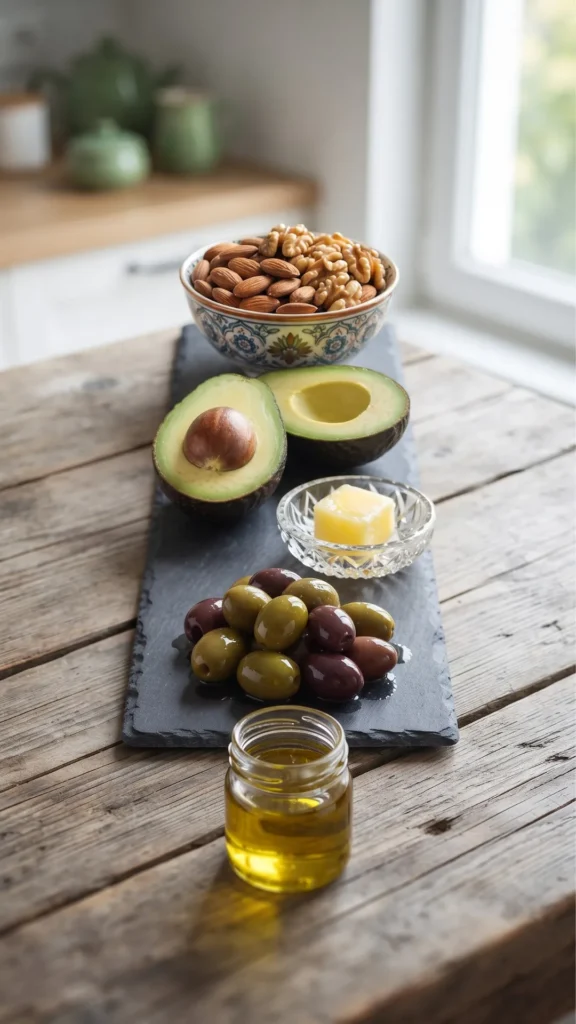
Healthy Fats in Moderation
Essential fats support hormone balance and nutrient absorption but are calorie-dense. Include:
- Extra virgin olive oil (use measured amounts)
- Avocados (moderate portions)
- Nuts and nut butters (portion-controlled servings)

Smart Frozen and Pantry Staples
Frozen vegetables, fruits, fish, and legumes are equally nutritious to fresh and often more budget-friendly. Keep pantry essentials like canned tomatoes, low-sodium broths, herbs, spices, chia seeds, apple cider vinegar, and low-sodium soy sauce on hand to boost flavor and nutrition effortlessly.
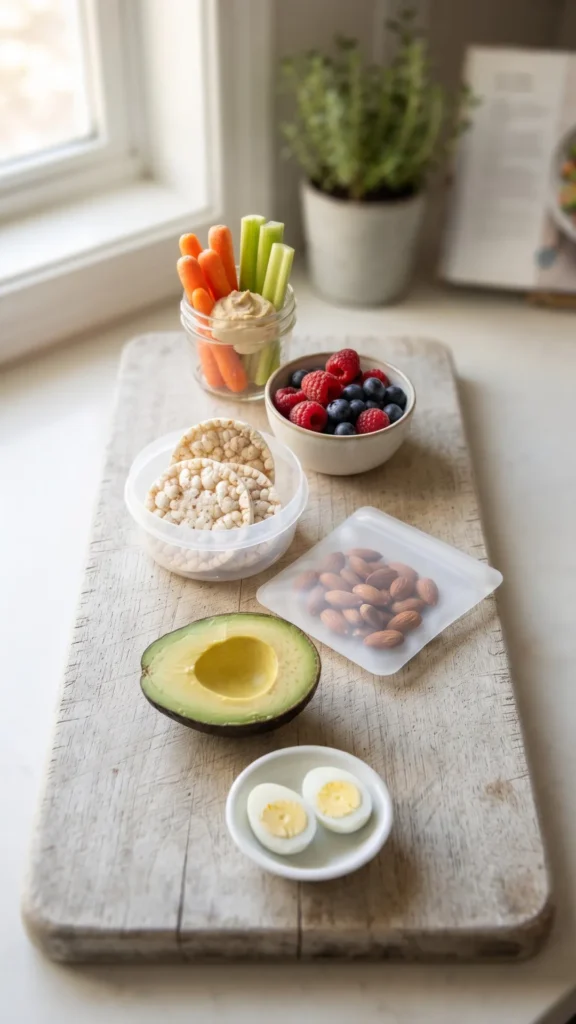
Low-Calorie Snacks to Have Ready

Keep pre-portioned snacks like raw veggie sticks, hummus, Greek yogurt with berries, air-popped popcorn, and hard-boiled eggs accessible to avoid processed snack temptations.
Drink Wisely
Focus on water, herbal teas, black coffee, and sparkling water. Avoid sugary drinks, juices, and alcohol, as they add calories without fullness.
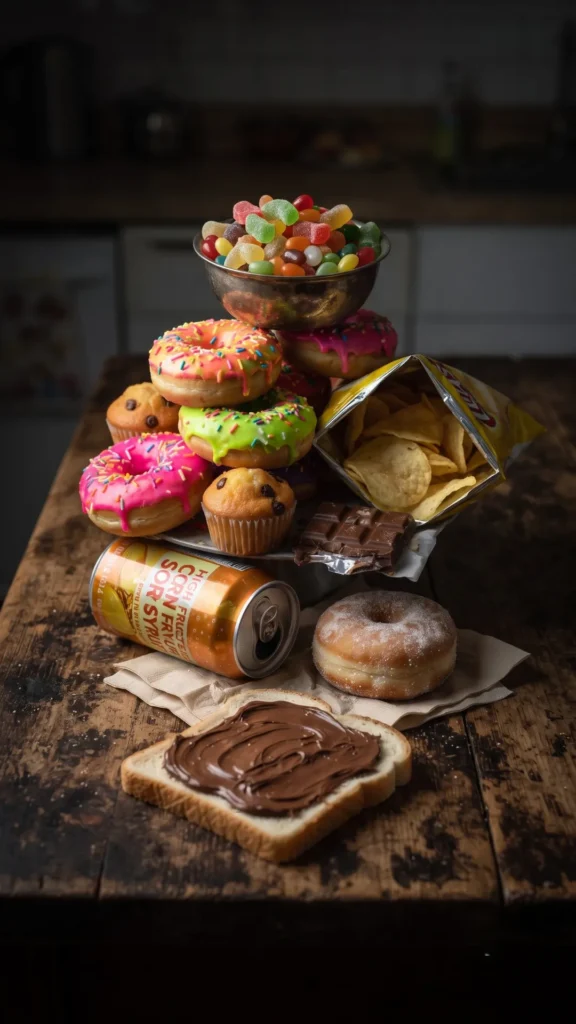
Foods to Limit or Skip
Avoid regular purchases of ultra-processed snacks, large cooking oil bottles (opt for smaller or spray bottles), full-fat dairy products, sugary yogurts, and refined grain products to better manage calorie intake and satiety.
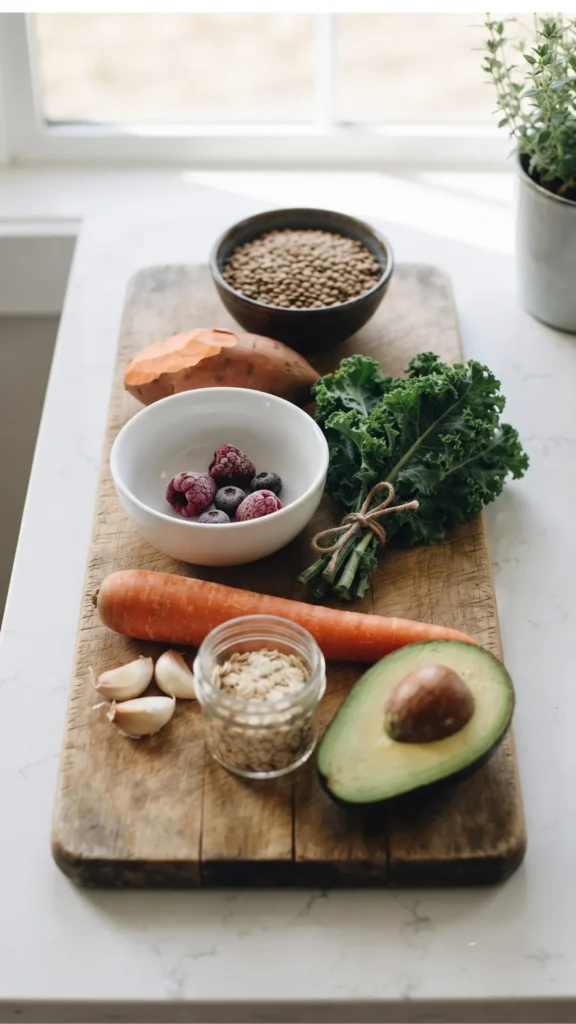
Budget-Friendly Weight Loss Grocery Tips
Eating for weight loss doesn’t have to be expensive. Base your shopping on affordable staples like dried legumes, frozen vegetables and fish, eggs, oats, canned fish, and seasonal produce. Buy in bulk when possible and plan meals in advance to reduce waste and impulse buys.
Sample One-Week Grocery List Highlights:
- Proteins: Chicken breast, frozen white fish, eggs, canned tuna, Greek yogurt, dried lentils, canned chickpeas.
- Vegetables: Spinach, romaine, broccoli, cauliflower, zucchini, cucumber, bell peppers, frozen mixed vegetables.
- Fruits: Frozen berries, watermelon or cantaloupe, apples, kiwis, grapefruit.
- Grains: Rolled oats, brown rice, quinoa.
- Pantry: Canned tomatoes, vegetable broth, olive oil, chia seeds, dried herbs.
- Snacks: Air-popped popcorn, vegetable sticks, hummus.
- Drinks: Herbal teas, sparkling water, black coffee.
Quick Shopping Tips:
- Never shop hungry.
- Stick strictly to your list.
- Shop the store perimeter first.
- Avoid snack and bakery aisles when possible.
By making smart grocery choices, you set yourself up for success before the cooking even begins. Your cart is your plan; fill it with wholesome, satisfying foods and watch your weight loss goals become achievable and sustainable.
Save this guide for your next shopping trip to make healthy eating simple, effective, and enjoyable!
Disclaimer
This article is for informational purposes only and is not medical or nutritional advice. Always consult a healthcare professional before making significant changes to your diet, especially if you have existing health conditions
Table of content
Smart Grocery Shopping for Effective Weight Loss
Why a Thoughtful Grocery List is Key to Weight Loss
The Power of Volume Eating
Top Lean Proteins to Include
Load Up on High-Fiber Vegetables
Best Fruits for Weight Loss
Whole Grains and Legumes for Sustained Energy
Healthy Fats in Moderation
Smart Frozen and Pantry Staples
Low-Calorie Snacks to Have Ready
Drink Wisely
Foods to Limit or Skip
Budget-Friendly Weight Loss Grocery Tips

