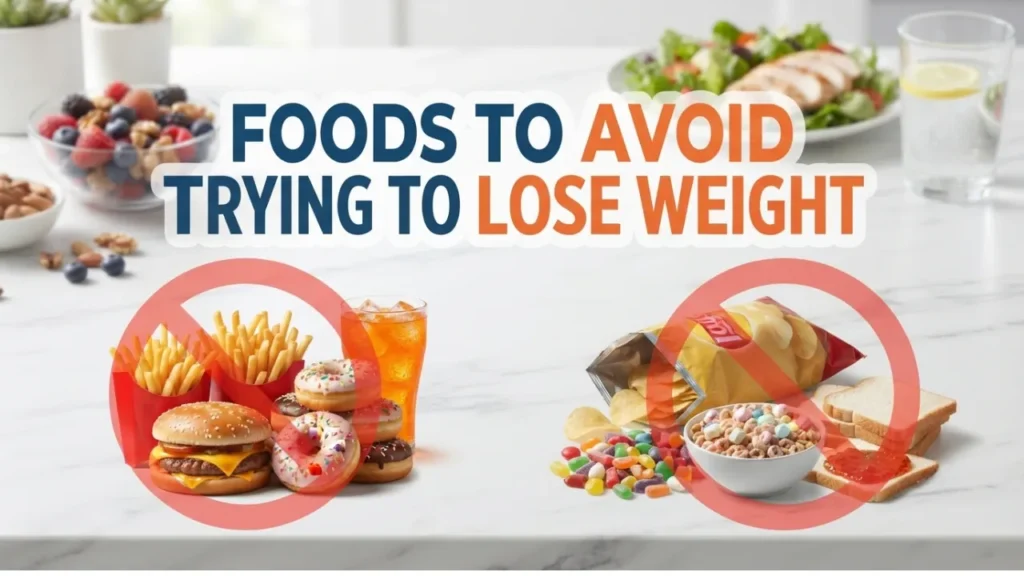
Losing weight is more than just eating less—it’s about recognizing which foods secretly increase hunger, disrupt your calorie goals, and make your efforts harder than necessary. Avoiding certain foods doesn’t mean giving up everything you love; it’s about identifying what slows your progress so you can make smarter choices most of the time.
Why Some Foods Make Losing Weight Harder
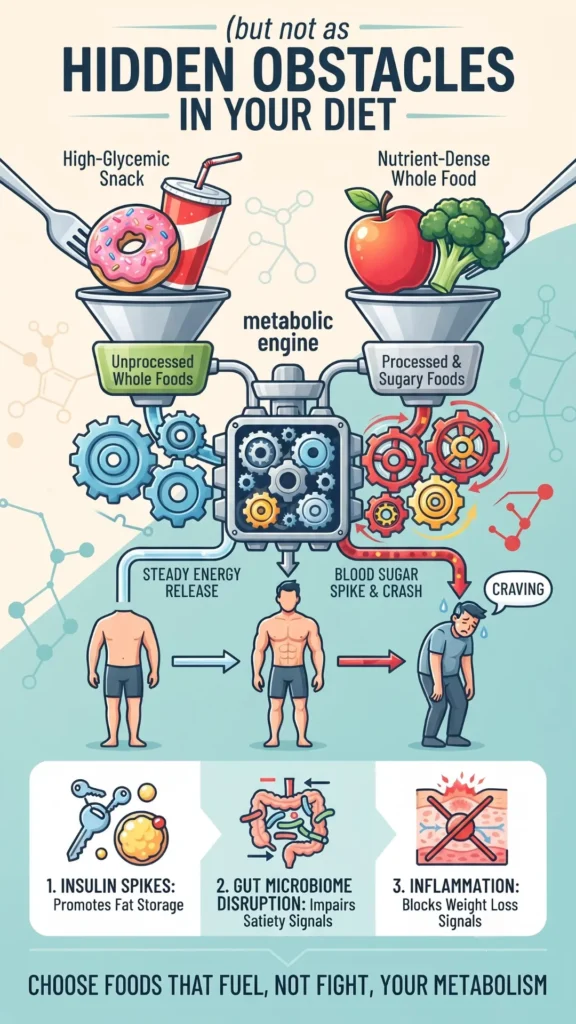
Calories aren’t all equal when it comes to how full they make you feel. Two meals with the same calories can have very different effects on your hunger and satisfaction. Foods low in fiber and protein but high in calorie density—often processed foods—fail to produce lasting fullness, leading to quicker hunger and overeating.
Additionally, ultra-processed foods combine salt, sugar, and fat to trigger the brain’s reward system, creating cravings beyond fullness. This isn’t about willpower; it’s a biological reaction to engineered foods.
You might like this: https://volueat.com/wp-admin/post.php?post=909&action=edit
Sugary Drinks: Hidden Calories that Spike Hunger
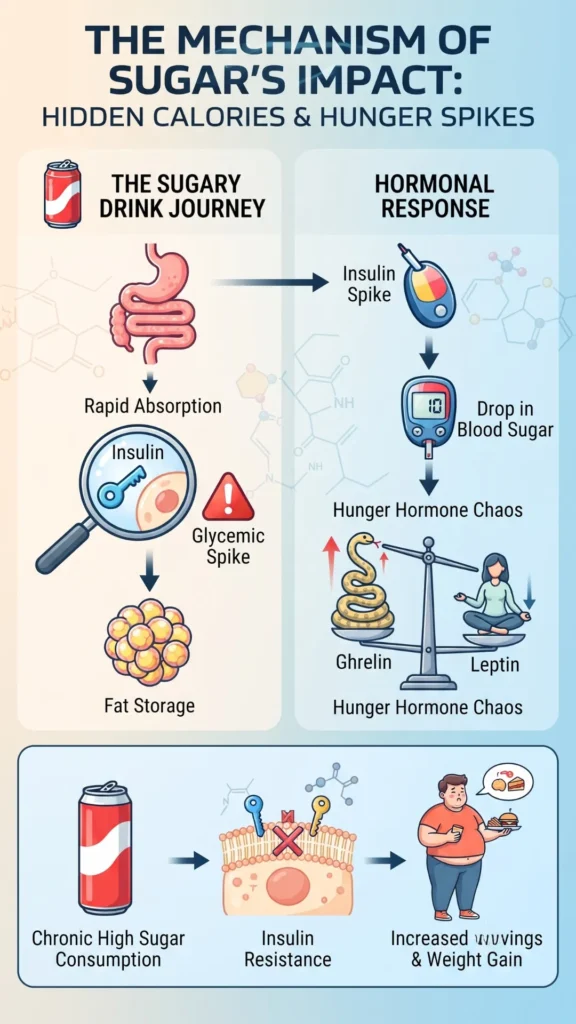
Sugary beverages, including soda, sweetened coffee drinks, and fruit-flavored waters, pack significant calories without any fullness. For example, a 330ml soda can add around 140 calories without satisfying hunger. Your body doesn’t register liquid calories like solid foods, so you don’t naturally eat less to compensate.
Switching to water, sparkling water with citrus, black coffee, or herbal tea can cut hundreds of empty calories daily without altering your diet.
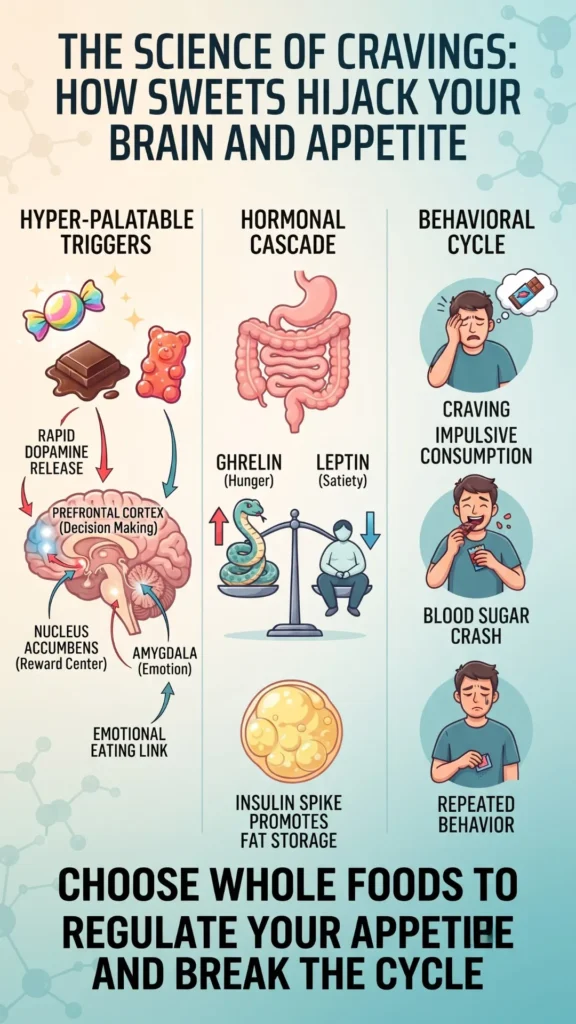
Candy, Chocolate, and Sweets: Designed to Overeat
Sugary sweets combine sugar and fat in ways that override fullness signals and provoke overeating. Rapid blood sugar spikes followed by crashes cause cravings for more carbs, making portion control challenging. Most chocolate bars deliver high calories with very little nutritional benefit.
Healthier alternatives include fresh berries with Greek yogurt, frozen grapes, dark chocolate paired with fruit, or dates with nut butter—these provide fiber and protein, helping regulate hunger.
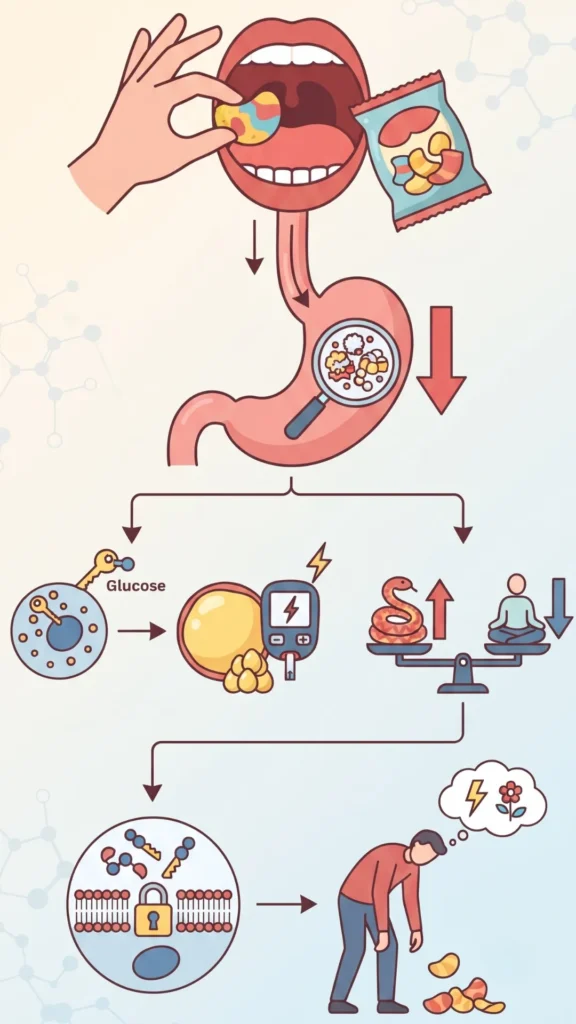
Chips and Processed Snacks: High-Calorie, Low-Satisfaction Foods
Potato chips, corn chips, cheese puffs, and crackers are calorie-dense yet low in fiber and protein. Their engineered taste and texture encourage overeating, while their low volume means hunger returns quickly.
Try swapping chips for raw veggies like cucumber, celery, carrots, and bell peppers with hummus or air-popped popcorn for satisfying crunch with fewer calories.
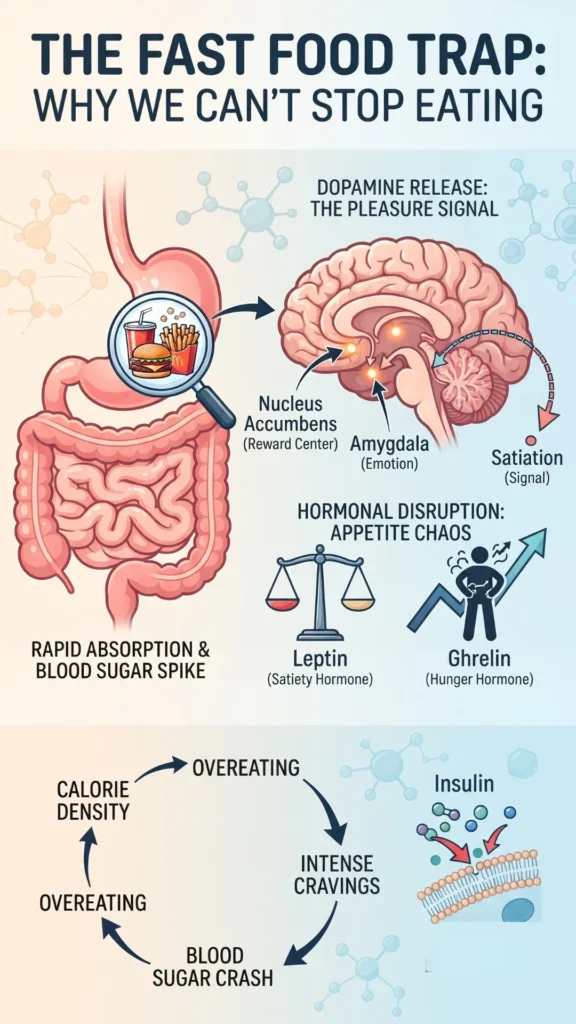
Fast Food and Fried Foods: Calorie-Dense and Hard to Stop Eating
Fast food meals can contain 1,000 to 1,500 calories or more, often matching or exceeding a full day’s calorie deficit. These meals combine refined carbs, high-fat meats, fried potatoes, and sugary drinks—high in calories but low in fiber and protein.
Fried chicken and fast-food pizza are particularly calorie-dense and engineered for addictive flavor, making it tough to stop eating appropriate portions. Enjoy these occasionally and opt for nutrient-dense whole foods most of the time.
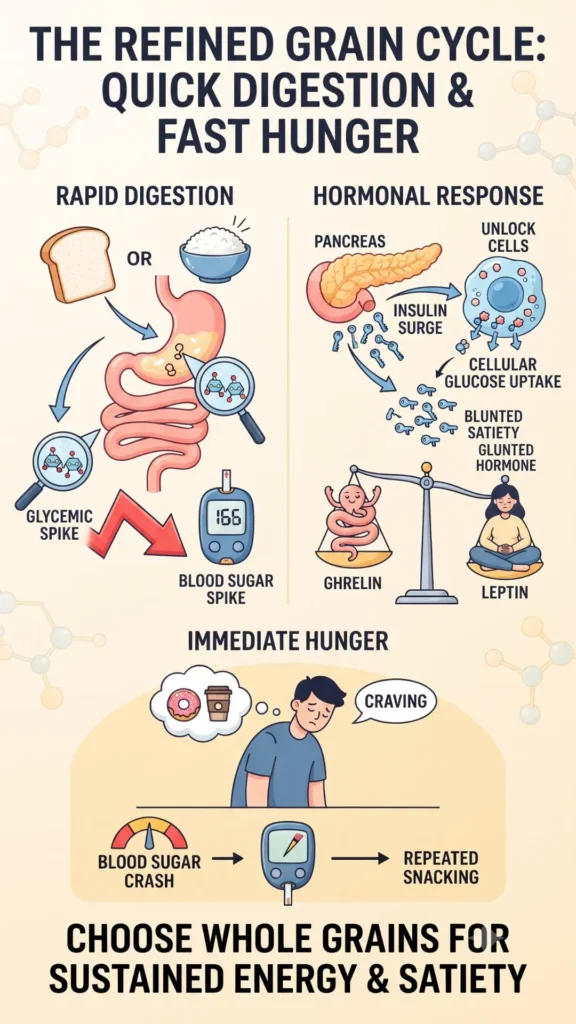
Refined Grains and White Bread: Quick Digestion Leads to Fast Hunger
Refined grains like white bread and white rice digest quickly, causing blood sugar spikes and rapid hunger return. Pastries combine refined flour, added fat, and sugar, making them calorie-dense but low in fullness.
Choosing whole grain versions with higher fiber and protein content leads to longer-lasting satiety.
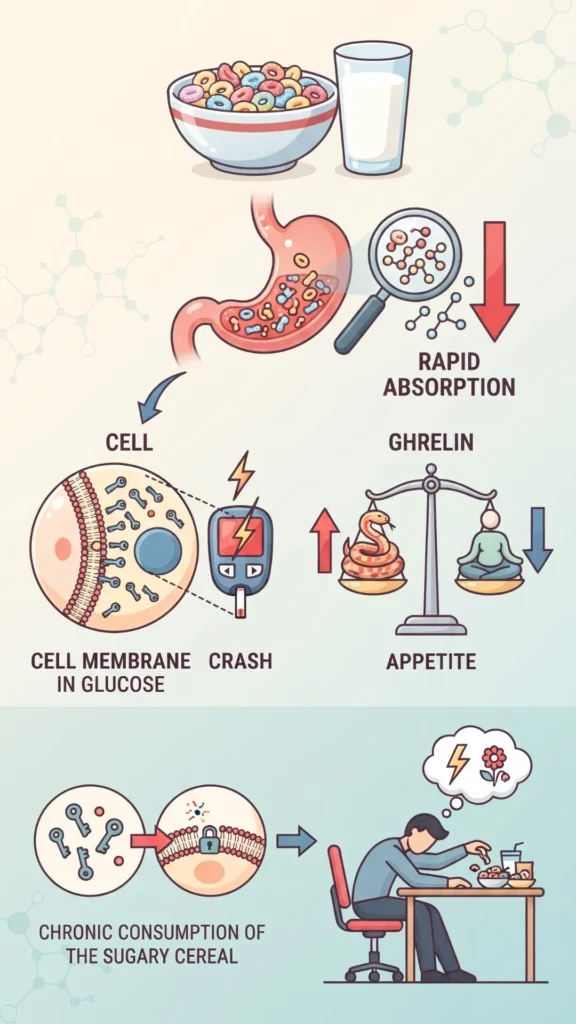
Sugary Breakfast Cereals: Setting Hunger for the Day
Many sugary cereals have high glycemic indexes, causing quick blood sugar spikes and hunger soon after eating. They usually lack enough fiber and protein to keep you full.
Better breakfast options include rolled oats with Greek yogurt and berries, egg-based meals with vegetables, or yogurt with whole grains and fruit.
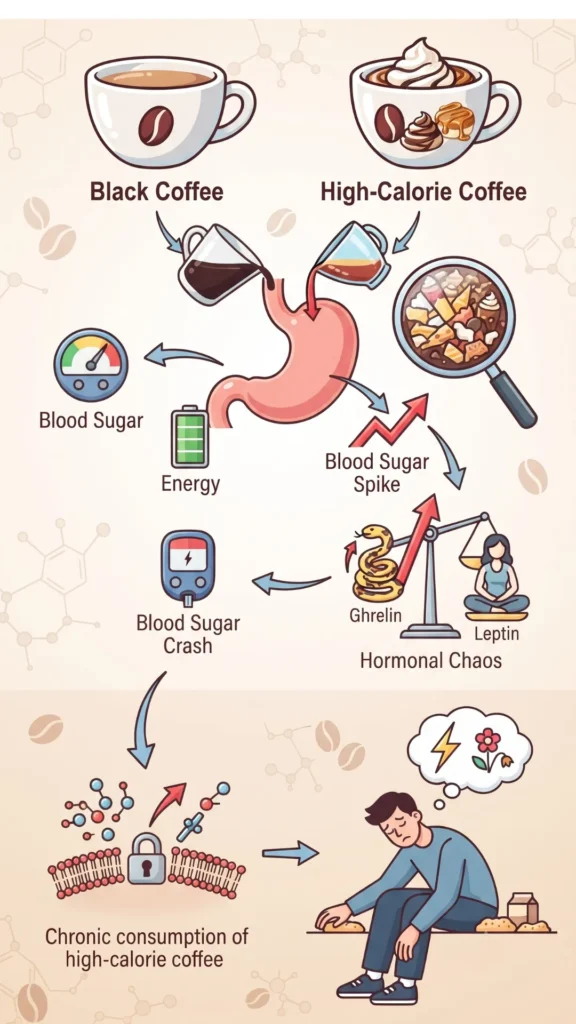
High-Calorie Coffee Drinks: Hidden Calories in Your Cup
While plain coffee is low-calorie and may suppress appetite, flavored lattes, frappes, and sweetened coffee drinks can add 300 to 600 calories without you realizing it.
Switching to black coffee, plain espresso, or unsweetened lattes can preserve the ritual and caffeine boost without excess calories.
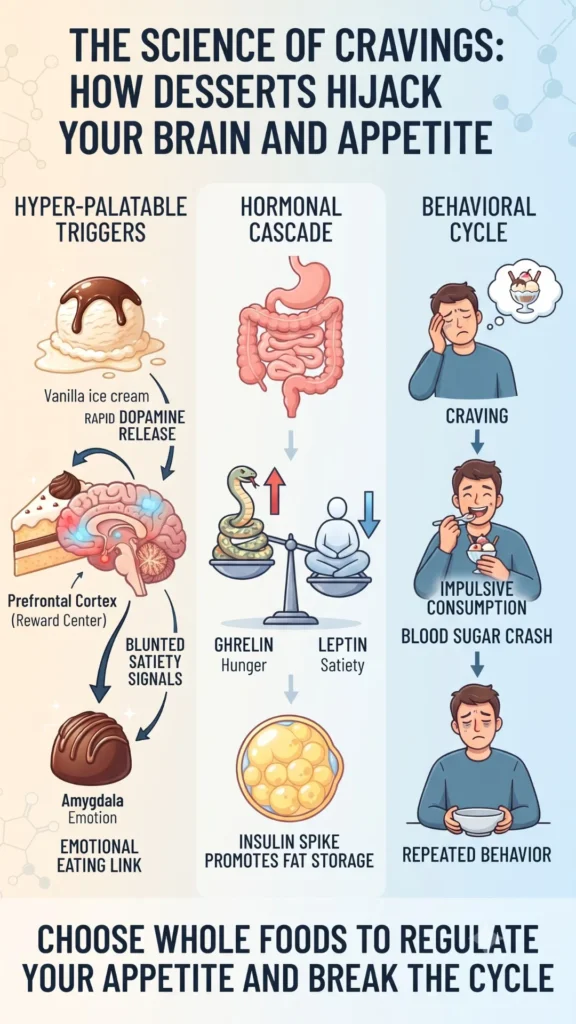
Ice Cream and Sugary Desserts: Easy to Overeat, Hard to Stop
Desserts like ice cream and cheesecake combine sugar and fat to create highly palatable, calorie-dense treats that are easy to overconsume. Portions often exceed serving sizes, leading to hundreds of extra calories.
Smarter dessert swaps include Greek yogurt with berries and honey, frozen banana “ice cream,” a small piece of dark chocolate with fruit, or frozen grapes—delivering sweetness at a fraction of the calories.
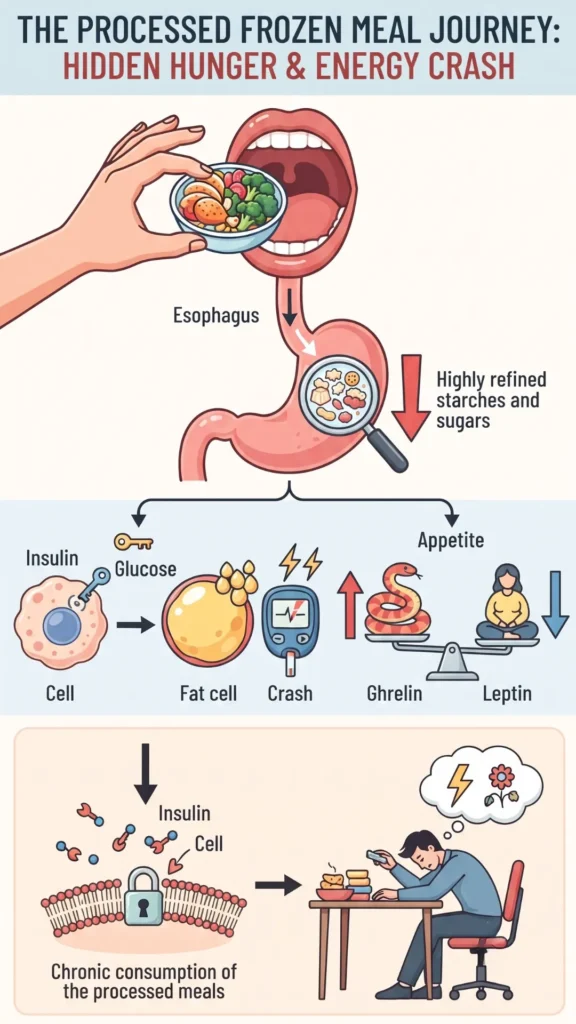
Processed Frozen Meals: Often Less Filling Than Expected
Many frozen meals marketed as healthy contain hidden fats, high sodium, and small portions, which leave you feeling unsatisfied and prone to eating more.
Preparing whole foods at home or batch cooking offers better nutrition, greater satiety, and improved calorie control.
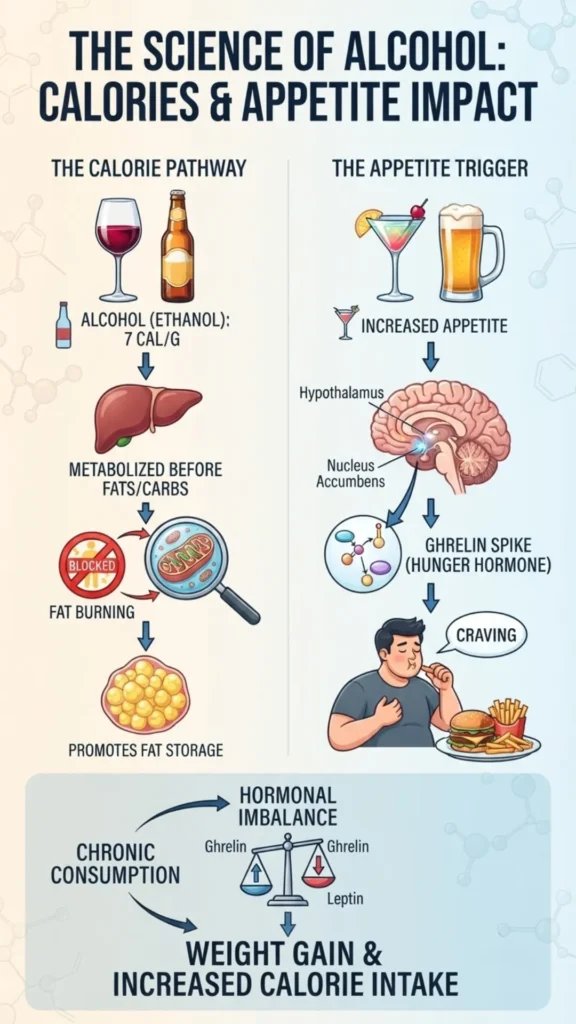
Alcohol: Calories and Increased Appetite
Alcohol contains empty calories and increases the hunger hormone ghrelin, leading to greater food intake. It also disrupts sleep, further increasing hunger the next day.
Limiting alcohol to social occasions and choosing lower-calorie options like spirits with sparkling water helps reduce excess calorie intake.
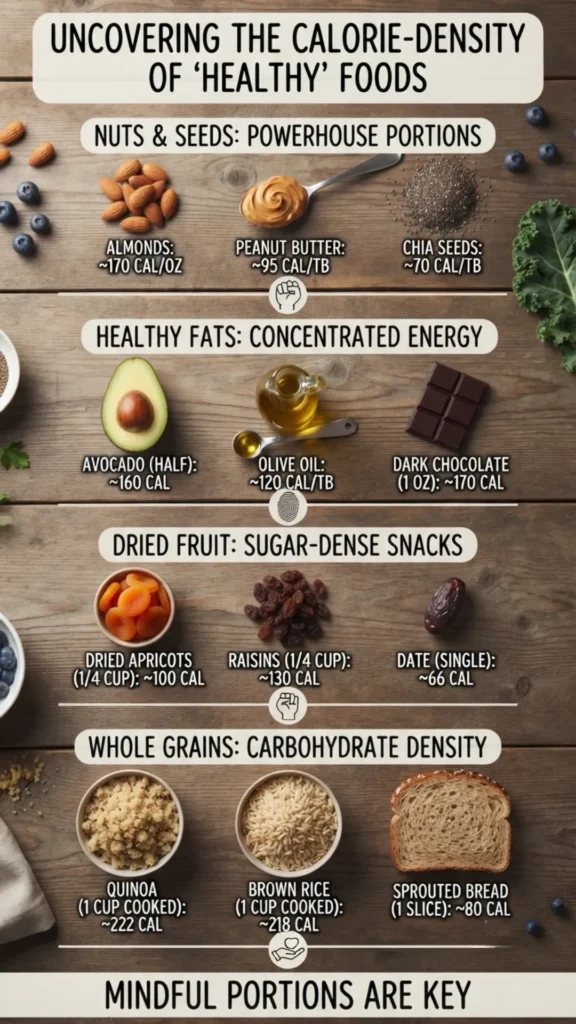
Healthy but Calorie-Dense Foods to Watch
Calorie-dense “healthy” foods like granola, dried fruit, smoothies, nut butters, and trail mix can easily contribute more calories than expected. Portion control is key to including them without slowing weight loss.
Smart Food Swaps for Weight Loss Success
- Soda → Sparkling water with lemon or cucumber
- Chips → Raw veggies with hummus or air-popped popcorn
- Ice cream → Greek yogurt with berries
- White bread → Whole grain sourdough
- Fries → Roasted vegetables (broccoli, cauliflower, zucchini, sweet potato)
- Flavored coffee drinks → Black coffee or plain latte
Sustainable Weight Loss: Limit, Don’t Eliminate
No food needs to be off-limits for successful weight loss. The goal is consistent healthier choices most of the time, with room to enjoy treats without guilt occasionally. Following an 80/20 approach (eating well 80% of the time and allowing flexibility 20%) supports long-term success.
Over time, nutrient-dense, filling foods become preferred because they make you feel more energized and in control. Save this guide as a handy reference, and explore Volueat.com for meal plans and food lists designed to support your weight loss journey
Disclaimer
This article is for informational purposes only and is not medical or nutritional advice. Always consult a healthcare professional before making significant changes to your diet, especially if you have existing health conditions
Table of content
Why Some Foods Make Losing Weight Harder
Sugary Drinks: Hidden Calories that Spike Hunger
Candy, Chocolate, and Sweets: Designed to Overeat
Chips and Processed Snacks: High-Calorie, Low-Satisfaction Foods
Fast Food and Fried Foods: Calorie-Dense and Hard to Stop Eating
Refined Grains and White Bread: Quick Digestion Leads to Fast Hunger
Sugary Breakfast Cereals: Setting Hunger for the Day
High-Calorie Coffee Drinks: Hidden Calories in Your Cup
Ice Cream and Sugary Desserts: Easy to Overeat, Hard to Stop
Processed Frozen Meals: Often Less Filling Than Expected
Alcohol: Calories and Increased Appetite
Healthy but Calorie-Dense Foods to Watch
Smart Food Swaps for Weight Loss Success
Sustainable Weight Loss: Limit, Don’t Eliminate